

Have you ever wondered why movies used to stick to strict rules? In early Hollywood, there was a set of guidelines called the Motion Picture Production Code, or the Hays Code. Back then, filmmakers had to balance their creative spark with simple rules, making sure that bad behavior always had a clear consequence. This mix of fun and a moral message sparked plenty of debates and still influences movie ratings today. It’s amazing to see how this old rule continues to shape modern storytelling in ways you might not expect.
Understanding the Motion Picture Production Code: Origins, Purpose, and Impact
The Motion Picture Production Code, or as most folks call it, the Hays Code, really changed the game in Hollywood. It kicked off in the early 1930s and stuck around until the late 1960s, making sure films stayed safe and suitable for everyone. Filmmakers had to show that any bad behavior on screen got its proper punishment by the end of the movie.
Hollywood set up this code to keep things decent while people started worrying about the influence of silver screen stories. Fun fact: back then, every act of wrongdoing had to end with its due payback, or else public trust was at risk!
This code played a huge role in keeping the moral tone of movies in check, blending entertainment with clear societal rules. Over more than 30 years, it not only shaped film content but also laid the foundation for self-censorship practices that still influence today’s movie ratings. Directors learned how to mix creativity with strict guidelines, sparking debates that continue in discussions about film content today.
Development and Adoption of the Motion Picture Production Code in Hollywood
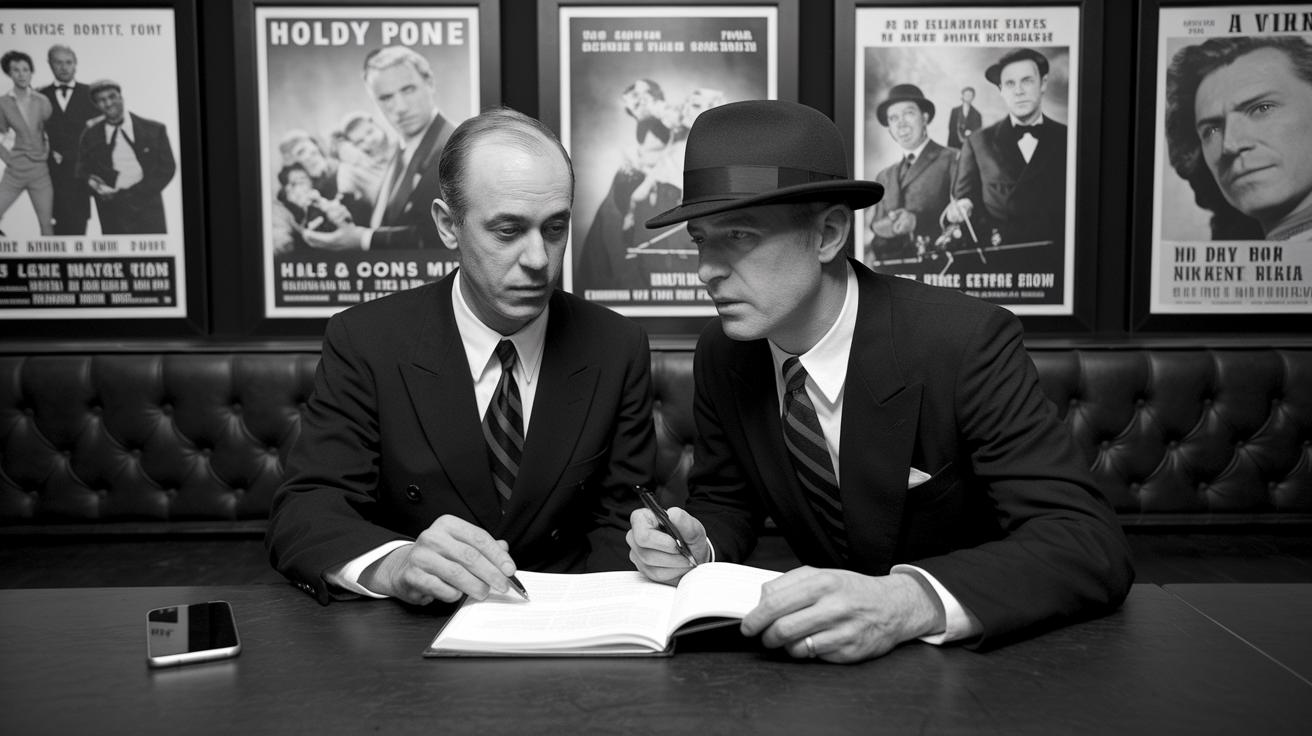
Back in 1927, the Motion Picture Producers and Distributors of America (MPPDA) stepped in to set the early rules for movie content. They put together simple guidelines that changed how films shared moral messages. Imagine old Hollywood as a wild frontier with few rules until someone finally brought in some clarity.
By 1929, the game had changed even more. Visionaries like publisher Martin Quigley and Father Daniel A. Lord worked together to create clearer, detailed standards. Their efforts helped form a friendly handbook for filmmakers, one that kept movies in line with popular morals and dodged government interference.
In 1930, the big studios across Hollywood officially accepted this new Code. They wanted films that were fun and safe for everyone to watch. Soon after, the Production Code Administration (PCA) was born to check scripts and hand out the all-important Seal of Approval. This setup made sure that every movie met the right standards and left a lasting mark on how films are made.
Each step in this journey shows how teamwork among industry leaders reshaped Hollywood. Their efforts built a framework that kept movies engaging, clear, and true to the spirit of the times.
Core Guidelines and Enforcement Mechanisms of the Motion Picture Production Code
The Code set down clear moral rules for movies, drawing a firm line on what could and couldn’t be shown. Topics like explicit sex, over-the-top violence, harsh language, mixed-race relationships, and putting religious figures down were off limits. Filmmakers had to show that any misdeed came with consequences before the movie ended. It was like having an unseen referee blowing the whistle on any play that wasn’t fair.
The Production Code Administration (PCA) was the major watchdog. They read every script carefully to check if it stuck to the moral guidelines. If even a small hint of a forbidden topic popped up, the PCA made sure the movie ended with the wrongdoer getting their due punishment. Once a film passed this check, it got a Seal of Approval, a thumbs-up that told viewers the movie was clean by Hollywood’s rules.
This strict setup was really a form of self-discipline for the industry. The Code mirrored the values of a mainstream, white, heterosexual, and cisgender audience, setting the standard for what was acceptable on screen. While these rules might seem restrictive today, back then they were the norm to ensure films were suitable for everyone.
| Prohibited Topic | Code Requirement |
|---|---|
| Explicit Sex | Scenes had to be toned down and, if shown, ended with on-screen punishment. |
| Excessive Violence | Violence was allowed only if its consequences were clearly shown. |
| Coarse Profanity | Strong language was banned to keep things family-friendly. |
| Miscegenation | Interracial relationships were heavily restricted by the film standards. |
| Ridicule of Clergy | Making fun of religious figures was completely off the table. |
This firm system defined the moral path for movies, making sure that every film followed clear and enforceable ethical rules.
Impact on Notable Films and Filmmakers Under the Production Code

The Production Code really changed how movies told their stories. Filmmakers had to get inventive while always watching the moral rules set by the studio bosses. For example, in Casablanca (1942), they ended a steamy romance with a bittersweet goodbye instead of a wild, scandalous union. Many old Hollywood films now celebrate this smart way of telling a story under strict limits.
Some Like It Hot (1959) took a bold step by skipping the usual PCA stamp, showing that directors were beginning to test the limits. In the early days, even anti-Nazi messages were kept on the down-low until public opinions changed, opening the door for a more daring look at wartime feelings. Many creative minds had to rework their scripts just to earn that prized Seal of Approval, meaning they sometimes had to let go of some of their original ideas.
Here are a few films that illustrate these changes:
- Casablanca (1942): The passionate romance ended in a heartfelt separation.
- Some Like It Hot (1959): Came out without the regular PCA approval.
- The Outlaw (1950): More sensual scenes were pulled back.
- Scarlet Street (1945): Its darker themes were softened to meet the rules.
- Gilda (1946): Bold, provocative dialogue was adjusted to fit new moral standards.
Decline of the Motion Picture Production Code and Rise of the MPAA Ratings System
Back when TV started stealing the spotlight in the 1950s and 1960s, movie studios began to lose their power. New laws, like the de Havilland law that loosened contract restrictions and the Paramount decrees that forced studios to let go of their theatrical release control, set the stage for big change. Filmmakers started to ask, "Why stick to old, strict rules when we can try something new?"
Excited studio executives, eager to grab younger audiences, pushed for edgier and fresher stories. Suddenly, the once rock-solid movie guidelines were bending under the weight of bold ideas and creative risks. With audiences craving modern tales and innovative themes, it was clear the old rules just didn’t fit the new vibe.
By 1968, the strict Code was finally tossed aside. This opened the door for the modern MPAA rating system, a framework that shifted away from one-size-fits-all rules. Now, films could be judged on a mix of content guidelines, giving directors the freedom to dive into deeper, more complex storytelling. Legal battles, fierce market competition, and a hunger for creative flair all came together to reshape how movies were made and enjoyed.
motion picture production code: Inspiring Film Standards
The Motion Picture Production Code still echoes in Hollywood today, even though it ended in 1968. It pushed studios to police themselves and stick to high moral ideals. Filmmakers had to ensure that any act of wrongdoing on screen got a proper, satisfying consequence. Imagine trying to create an entire movie where every misdeed had to wrap up with some form of justice, kind of a wild rule that kept audiences both shocked and comforted!
This legacy holds a ton of cultural weight. The self-regulation of film back then laid the foundation for today’s content rating systems. Big names like Steven Spielberg, George Lucas, Francis Ford Coppola, and Martin Scorsese found fresh ways to tell their stories while giving a nod to those strict guidelines. Even now, as debates flare up about film censorship versus creative freedom, the Code’s influence is hard to miss. Its lessons keep shaping how we think about doing right by our movies and by our audience.
Final Words
In the action, we traced how the motion picture production code shaped Hollywood. We moved from its early rules and enforcement to filmmakers tweaking scripts just to get that Seal of Approval. The article broke down strict content guidelines, changes in classic movies, and the transition to a modern ratings system. It also highlighted how those early standards still echo in today’s movie-making world. The journey shows that even as industry rules change, the love for genuine, bold storytelling shines through. Enjoy watching the magic unfold.
FAQ
What is the Hays Code?
The Hays Code, officially known as the Motion Picture Production Code, set rules for moral conduct in films from the 1930s to the 1960s, regulating content to meet strict decorum standards.
How can I access a PDF of the Motion Picture Production Code?
The Motion Picture Production Code PDF can be found in digital archives and film industry libraries, offering full documentation of its historical guidelines and enforcement practices.
What is the Motion Picture Production Code of 1930?
The Motion Picture Production Code of 1930 marks the approved set of moral guidelines introduced by major Hollywood studios, establishing a framework for self-regulated censorship.
What are the key rules of the Hays Code?
The Hays Code rules prohibited explicit sexual content, excessive violence, coarse language, and derogatory depictions, while requiring that wrongdoing be punished by the film’s conclusion.
What is the NAICS code for motion picture production?
The NAICS code for motion picture production is 512110, a classification used in economic data reporting to identify and categorize film-making activities.
What is the HS code for motion picture film?
The HS code for motion picture film falls within the international trade classifications, generally grouped in the 3700 series, which outline material specifics for film products.
What does the term “Production Code” mean in the motion picture industry?
The term “Production Code” refers to the set of guidelines, also known as the Hays Code, that governed film content in Hollywood before the adoption of the modern MPAA rating system.
Is the Motion Picture Production Code still in effect?
The Motion Picture Production Code is no longer in effect; it ended in 1968 when the industry transitioned to the MPAA rating system, though its influence on film standards remains significant.