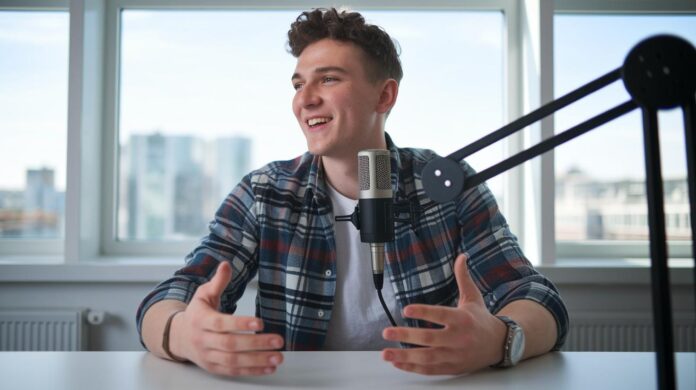

Ever feel like media interviews are just a high-pressure spotlight? Don’t worry, you can totally flip the script. With a few simple tricks, you can turn that stress into a moment to shine.
Imagine taking a quick pause, just a heartbeat, to gather your thoughts before diving in. This little break helps you focus on what really matters and keeps your confidence on point.
In this guide, you'll find easy ways to zero in on your main messages, plan your points like a pro, and speak with a clear, confident vibe. Ready to turn unexpected calls into fun, clear conversations that show off your unique skills? Let's get started!
Media Interview Preparation: Steps to Ensure Success
When a reporter unexpectedly reaches out, ask if you can schedule a callback. This little pause lets you take a breath, collect your thoughts, and double-check your key points before you go live. Asking for a callback means you're not caught by surprise and can plan a clear, confident answer. It also shows you’re serious about your role, turning a sudden call into a smart planning moment.
It’s key to nail down a few main messages. Focus on two or three ideas that really show off your expertise, and build flexible talking points around them instead of memorizing a full script. This way, your conversation stays natural while making sure you cover the important stuff. Using clear and simple language helps everyone grasp your message, whether you’re in person, on the phone, or on video.
- Pin down your main ideas and goals.
- Write a brief document that lays out your top points.
- Make a checklist so you don't miss any steps before the interview.
- Practice what you plan to say to build confidence.
- Match your expertise with the topics to sound genuine.
Keep your language plain and simple during interviews. Avoid using hard-to-understand industry lingo or acronyms. Every interview is a chance to share your work and ideas with a broader audience. With clear words and focused messages, both local and wider crowds can easily understand your value. A bit of preparation goes a long way, helping you come across as smart, relatable, and in control on any platform.
Media Interview Communication: Delivering Clear and Concise Messages

When you're live on camera, your body language holds your message together. Keep your eyes on the interviewer, stand naturally open, and use easy, moderate gestures that invite your audience in. Imagine standing with relaxed shoulders and a confident smile, nodding to show you're tuned in, this natural vibe makes everything you say feel real.
Answering questions straight up is key. Keep your responses short and clear, then pause so the interviewer can jump in. Start with a clear answer, like saying, "I believe in addressing the question head-on," and then take a moment. That little pause helps create an easy flow and shows you're comfortable with silence.
If you get a tricky or off-topic question, use a bridging phrase to steer things back on track. A simple line like "What's important to remember…" can guide the conversation while reminding your audience of your main points. It’s a neat trick that not only redirects the chat but also highlights your expertise.
Changing up your tone can really make or break your delivery. Try emphasizing your core messages by naturally repeating two or three main points during the conversation. For instance, lower your tone to stress a key idea, then gently bring it back to your usual friendly pitch. That way, your audience catches the most important parts of your message without missing a beat.
Media Interview Q&A: Techniques for Handling Tough Questions
If you get a question that's outside your area, just be honest and say you’ll follow up later. For example, try, "I focus on this area, and I'll get back with more details soon." It's a simple way to build trust and set clear expectations.
Treat every question like it’s part of a real conversation. If you're not sure about a fact, say something like, "I don’t have that data right now, but I'll check and follow up shortly." This approach keeps things clear and avoids any mix-ups down the road.
When questions drift away from your topic or get too tricky, use a quick redirect to keep things on track. You might say, "Let's focus on what matters most." This helps steer the chat back to your strengths and solid messages in a smooth, natural way.
Media Interview Etiquette: Best Practices and Common Pitfalls
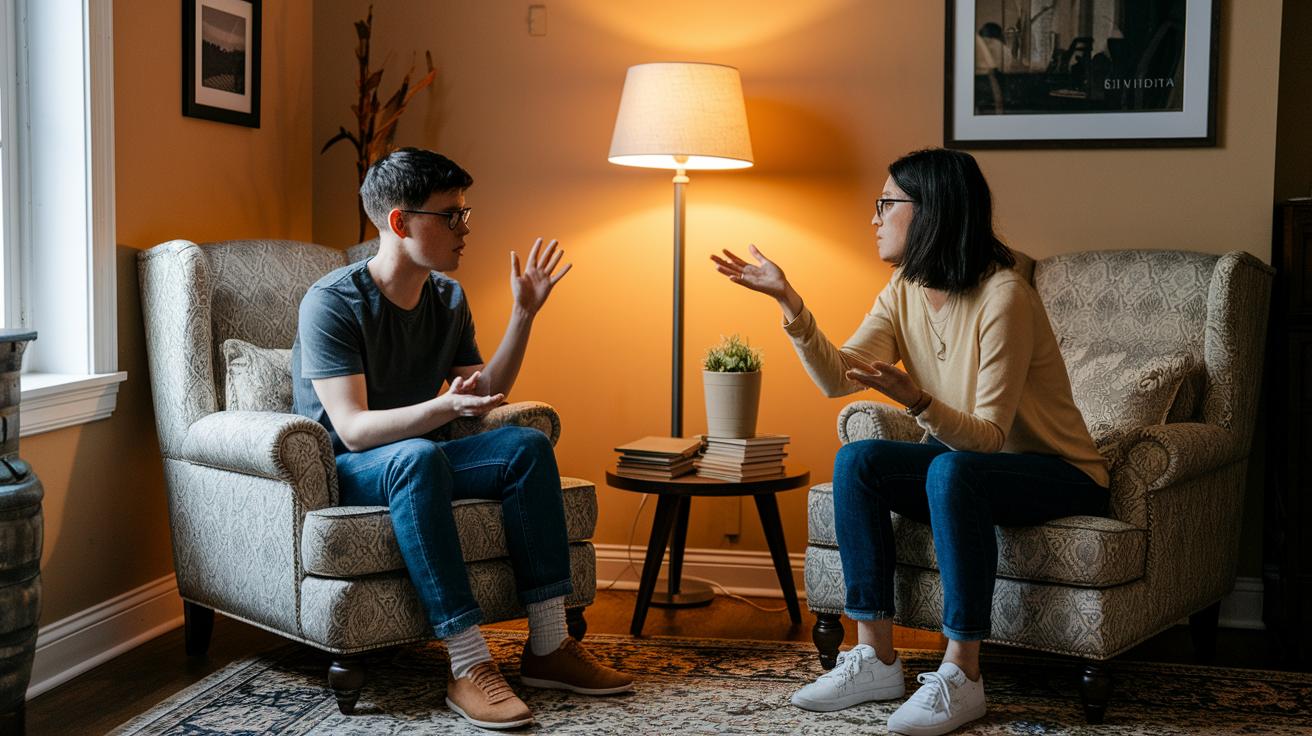
Keep your message clear by sticking to solid, verified facts. Instead of using worn-out phrases, say things plainly. For example, try saying, "I speak only on confirmed details," so there's no confusion.
Don’t rely on evasive answers like "no comment" when things get tricky. Instead, offer a short, direct reply such as, "I can only discuss what has been confirmed." This approach builds trust and keeps your response honest.
If interviews still make you nervous, why not try some media training? A few practice sessions with mock interviews can boost your confidence. A coach might say, "Practice turning tricky questions into clear, concise responses," helping you maintain a calm and polished vibe.
Media Interview Training: Advanced Coaching and Simulation Techniques
Executive coaching in public sessions and hands-on workshops can really boost your media skills. Think of it like sitting in a cozy room with expert friends who guide you on how to shine on camera. They give you straightforward tips on your speaking style and posture so that you go from feeling jittery to looking naturally confident. It’s a great way to build a strong base for communicating with the media.
Mock session rehearsals and role-play drills add an extra layer of confidence. These fun, realistic practice rounds let you respond on the spot, and you get quick feedback to tweak your responses. Picture it: you answer a tricky question, then a coach helps you adjust your tone and body language. It’s a safe space to experiment and fine-tune your style until you feel ready for the real deal.
Digital simulation exercises mix real-life scenarios with on-screen timing challenges to get you press-ready. Imagine a training session where every gesture and tone is carefully noticed, allowing you to adjust in real time. This practical approach helps you handle live interviews like a pro, delivering your key messages smoothly and with ease.
Final Words
In the action, the post outlined every step you need to nail your media interview. It highlighted the importance of scheduling callbacks early, focusing on 2-3 key messages, and using clear language during your exchanges. The guide then shifted to communication techniques, like using steady eye contact and smooth bridging phrases, and offered smart ways to handle tough questions. Finally, it reminded us that solid etiquette and advanced media training make a real difference. Everything you need is here to make your next media interview a hit!
FAQ
What are media interview questions and how do I answer them?
Media interview questions are queries posed by reporters to explore your expertise. Answer them by using clear, simple language, focusing on two to three core messages, and reinforcing your key points with confidence.
What is a media interview and how can I prepare for one?
A media interview is a chance to share your insights with an audience through various channels. Prepare by scheduling callbacks, creating briefing documents, and practicing your talking points with mock sessions.
What are the dos and don’ts of media interviews?
The dos include using plain language and aligning with prepared messages, while the don’ts involve speculating or saying “no comment.” Stay focused, treat every question as recorded, and maintain credibility throughout.
How do I handle tough questions during a media interview?
Tough questions should be met by stating your area of expertise, using bridging phrases to steer back to your main points, and promising to follow up if more details are needed to boost trust.
What are the different types of media interviews?
Media interviews come in formats like in-person, phone, video, group, and Q&A sessions. Each format offers a chance to connect with audiences through clear, direct communication and confident presentation.