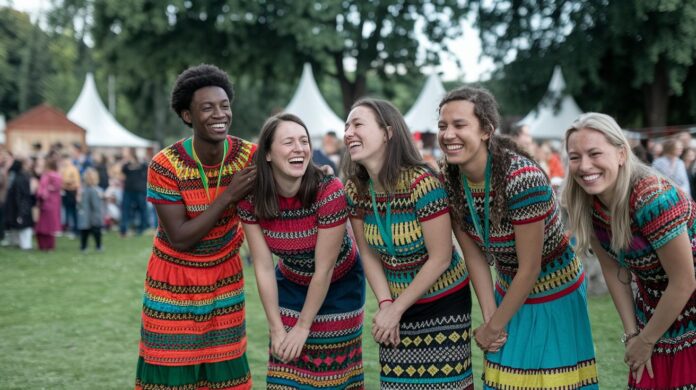

Ever notice how that favorite pair of jeans seems to connect you with someone far away? Everyday choices, like your go-to outfit, mix little pieces of customs from all over the world. And when you start spotting the same habits in unexpected places, it feels like our global community is coming together in a simple, happy way. This change isn’t about losing what makes us unique, it’s a celebration of our shared human experience that links one city to the next.
Cultural homogenization sparks joyful global unity
Imagine a world where everyday outfit choices, like your trusty pair of jeans and a simple T-shirt, are more than just style, they’re a nod to a shared global identity. Cultural homogenization is all about different cultures slowly starting to look alike thanks to the mix of ideas and lifestyles from around the world. Think of it this way: when you wear your favorite jeans, you're joining a worldwide crew, stretching all the way from New York to New Delhi.
Over time, different cultures pick up similar values, habits, and styles. It’s not the same as cultural hybridization, where things mix into completely new forms, or cultural heterogenization, which celebrates maintaining local traditions. Instead, cultural homogenization weaves a common thread through our everyday actions. Scholars like Hassi and Storti talk about these “scapes” – the steady flow of media, money, and ideas across borders that gradually brings us all a bit closer.
Globalization makes all this happen through mass media, trade, and travel. Soon, even simple everyday acts like the way we dress or what we eat start sounding like a universal language. It’s almost as if the whole world is tuning into one big broadcast, where every little gesture brings a soft, unifying vibe, making global unity feel amazingly natural and joyful.
Historical Context of Cultural Homogenization
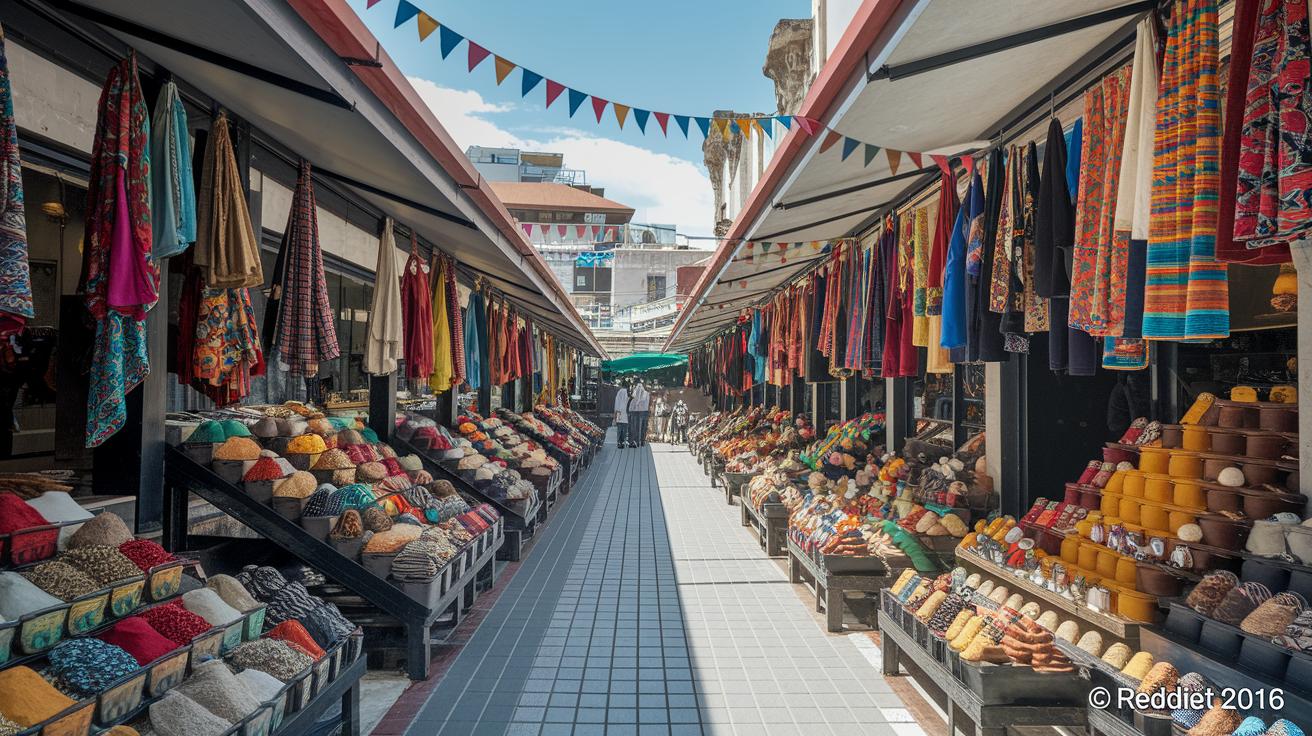
From the ancient Silk Road to today's digital broadcasts, cultures have always been in touch, sharing bits of their identity. The Silk Road wasn't just a path for moving spices and silk; it was a lively meeting place where ideas from Asia and Europe mingled. This early blend paved the way for cultures to slowly pick up shared customs, setting the scene for a more connected world.
During the colonial era, local traditions often took a backseat. Colonizers brought their own customs, sometimes replacing beloved regional attire with styles that screamed power. It’s a bit like swapping out your favorite local dish for a trendy imported meal, it looks different and feels less like home. Curious about how local uniqueness can fade? Check out this link: Cultural Diversity.
Then came the era of mass media. Radio, TV, and later the internet played a huge role in spreading a common way of life. After World War II, migration helped mix cultures even more, letting shared global habits shine through. Each wave of cultural exchange sometimes nudged aside old traditions, but also built a kind of joyful unity based on modern, universal vibes.
Drivers and Mechanisms Behind Cultural Homogenization
When people move to new places, they bring along a little piece of home. They carry familiar customs, favorite recipes, and treasured holiday traditions that light up their new communities. It’s like taking a bit of your old neighborhood and sprinkling it into your new one.
Global trade and big-name brands play a huge role too. Whether you're picking up a fizzy drink or the latest gadget, these everyday products show up almost everywhere, gently steering us toward similar tastes. And when you check out mass media or hop onto social platforms, you get the same songs, movies, and news bits, making shared cultural moments feel as common as a daily catch-up.
Schools and universities join the mix as well. Many institutions around the world use similar curriculums, which shape the way young people think and view life. Sometimes this happens naturally, and sometimes strong ideas spread quickly, nudging local traditions aside. Think of it like blending ingredients in a giant cultural recipe, each bit, from trade to media and education, helps create a world where everyday habits and ideas start to line up in a surprisingly united way.
Advantages and Risks of Cultural Homogenization

Culture homogenization brings some pretty cool upsides along with a few things to watch out for. It makes it easier to chat and travel across different countries because everyone starts to speak the same cultural language. Companies can save money by producing goods on a large scale, so you often get lower prices and more choices. Plus, sharing common ideas can help ease tensions between different groups and spread important values like basic human rights.
Benefits include:
- Easier communication and travel around the world.
- Bigger markets that help lower prices.
- Fewer misunderstandings between different cultures.
- A widespread push for basic human rights and smart ways of doing things.
But there are risks too. When cultures mix too much, local languages can fade, and special traditions might disappear, taking away a piece of what makes a community unique. Handmade crafts and age-old rituals could lose their spark, and big companies might overpower small, local businesses. Over time, important local knowledge tied to nature and unique customs may also start to vanish. Balancing all these good and not-so-good points is a real challenge as we try to stay connected globally without losing our local charm.
Illustrative Case Studies of Cultural Homogenization
Imagine walking through a bustling global city where urban youth in 50 countries have all chosen denim for their everyday style. More than 70 percent of these trendsetters rock jeans every day, making denim a universal symbol that connects people across borders. It’s like everyone is speaking the same style language without saying a word.
English has also found its way into the hearts of people around the world. With 1.5 billion individuals using it as either their main or secondary language, it’s become the tool for chatting, learning, and even catching the latest tunes. When you hear bits of conversations in movies or songs, you’re listening to a blend of cultures coming together.
Then there’s the story of fast food. McDonald’s, present in 120 countries, shows how a familiar menu and shiny arches can unite different flavors. It’s more than just grabbing a bite; it’s a shared experience that spans countless cultures.
Hollywood films are another big player. These movies, taking up 40 percent of the global box-office revenue, set trends that extend far beyond the U.S., influencing film lovers everywhere in truly surprising ways.
| Example | Domain | Global Impact |
|---|---|---|
| Denim Fashion | Fashion | More than 70% of urban youth in 50 countries rock denim |
| English Language | Language | 1.5 billion people use it as a first or second language |
| McDonald’s | Cuisine | Creates a shared fast-food culture in 120 countries |
| Hollywood Films | Entertainment | Shapes film tastes with 40% of the global box-office revenue |
Resistance, Preservation, and Future Outlook of Cultural Homogenization
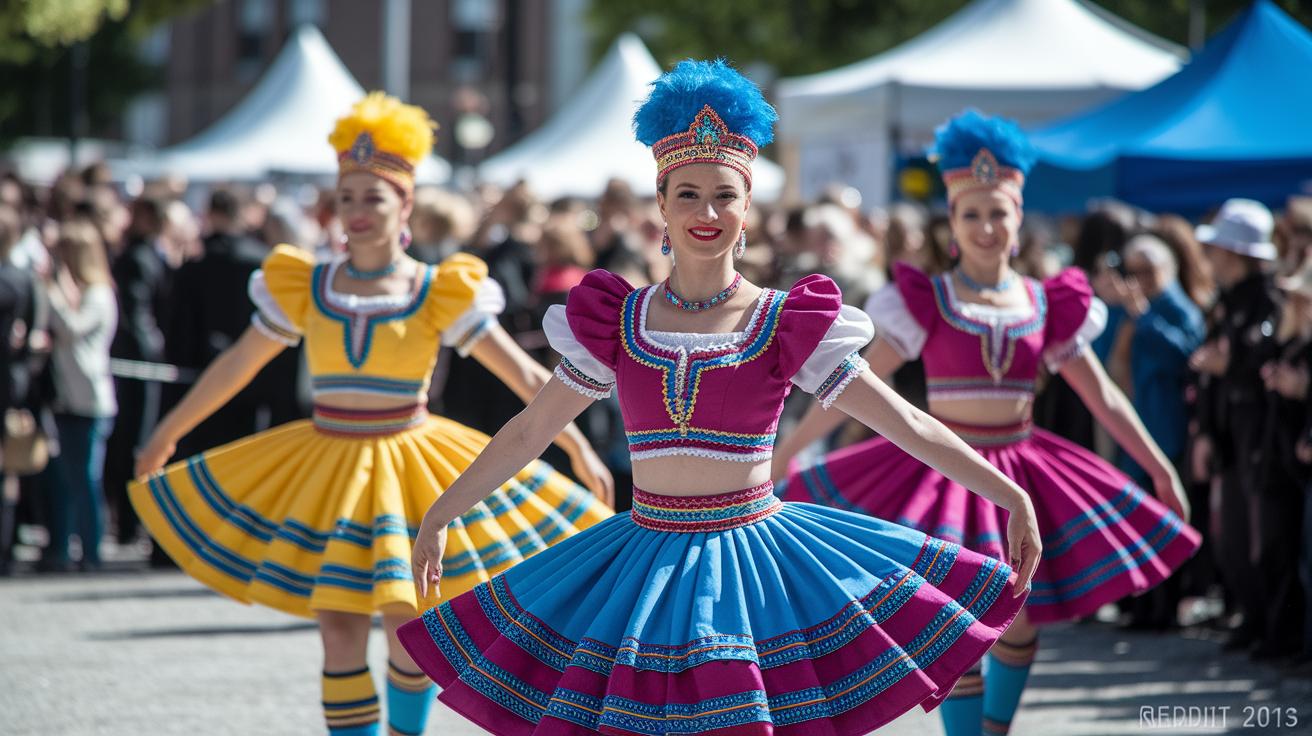
Communities around the world are standing up to keep their unique traditions alive while the force of sameness keeps pushing in. People are actively working to save indigenous practices with programs like the UNESCO Intangible Heritage list, which now protects over 350 traditions from tango to Kabuki. These efforts show a clear desire to hold on to the special qualities that make local cultures so interesting and one-of-a-kind.
In places like India, Brazil, and Eastern Europe, vibrant movements are all about self-reliance and pride in native customs. Local groups are embracing deglobalization, a term that simply means choosing to keep traditional ways of life intact even while the rest of the world follows global trends. Digital activism factors in big time too. Ever notice how a catchy hashtag can spark a movement? For example, #SaveEndangeredLanguages is lighting up social media and nudging communities to fight for their unique voices. Imagine tweeting a message so powerful it ignites a global drive to protect native tongues, like a burst of creative energy that spreads everywhere.
Looking ahead, there’s a hint that we might blend global trends with local flair. Experts say we'll see hybrid forms of art and culture, where classic traditions mix with modern influences much like K-pop fusion genres that blend old and new. It’s a mix that promises the best of both worlds, keeping deep roots while stepping into the global spotlight.
In a world where the balance between sameness and diversity is always shifting, cultural mixing might just open the door for creative, fresh expressions that honor tradition while celebrating a more connected global stage.
Final Words
In the action, we explored how everyday trends are shaping our world through cultural homogenization. We saw how shared fashion, language, and media bring people together but can also trim away local flavor. Each example we talked about, from denim styles to blockbuster films, tells a part of the same story. While global practices offer new ways to connect, they remind us to cherish and protect local customs. With a positive eye on the future, we remain excited about blending global influence with cherished traditions.
FAQ
What are some examples of cultural homogenization and how does globalization contribute?
The concept of cultural homogenization is seen in urban fashion trends like jeans, fast-food chains such as McDonald’s, the global use of English, and similar media tastes that spread worldwide through globalization.
Is cultural homogenization good or bad?
Cultural homogenization offers benefits like easier global communication and market efficiencies while also risking the erosion of local traditions, languages, and unique community identities, making its overall impact context-dependent.
What is a synonym for cultural homogenization?
A synonym for cultural homogenization is cultural standardization, which reflects the process by which diverse cultural traits become similar through global interactions.
How do you pronounce cultural homogenization?
Cultural homogenization is pronounced as “kul-chur-uhl hoh-muh-juh-nuh-ZAY-shun,” capturing the rhythm of its syllables in American English.
Where can I find information like a PDF on cultural homogenization?
PDFs on cultural homogenization are typically available in academic papers and research reports on platforms such as Google Scholar or university library websites.
What does it mean for a culture to be culturally homogeneous?
A culturally homogeneous society means that its members share very similar traditions, values, and practices, leading to a lack of dramatic cultural diversity within that group.