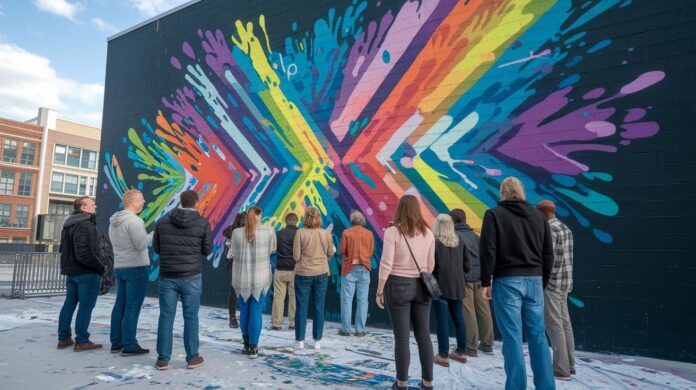

Ever notice how some art spots just grab you and don’t let go? The secret is a mix of clever storytelling and little surprises that tickle your senses, plus a dose of tech magic.
In this guide, we’ll show you step-by-step how to make art that feels like a live event. First, you set a clear goal. Next, you create a story that flows as naturally as a favorite song. Then, you add fun, interactive touches that invite everyone to join the experience.
Curious to make art that sticks with you like that unforgettable live show?
Practical Steps for Creating Immersive Art Experiences
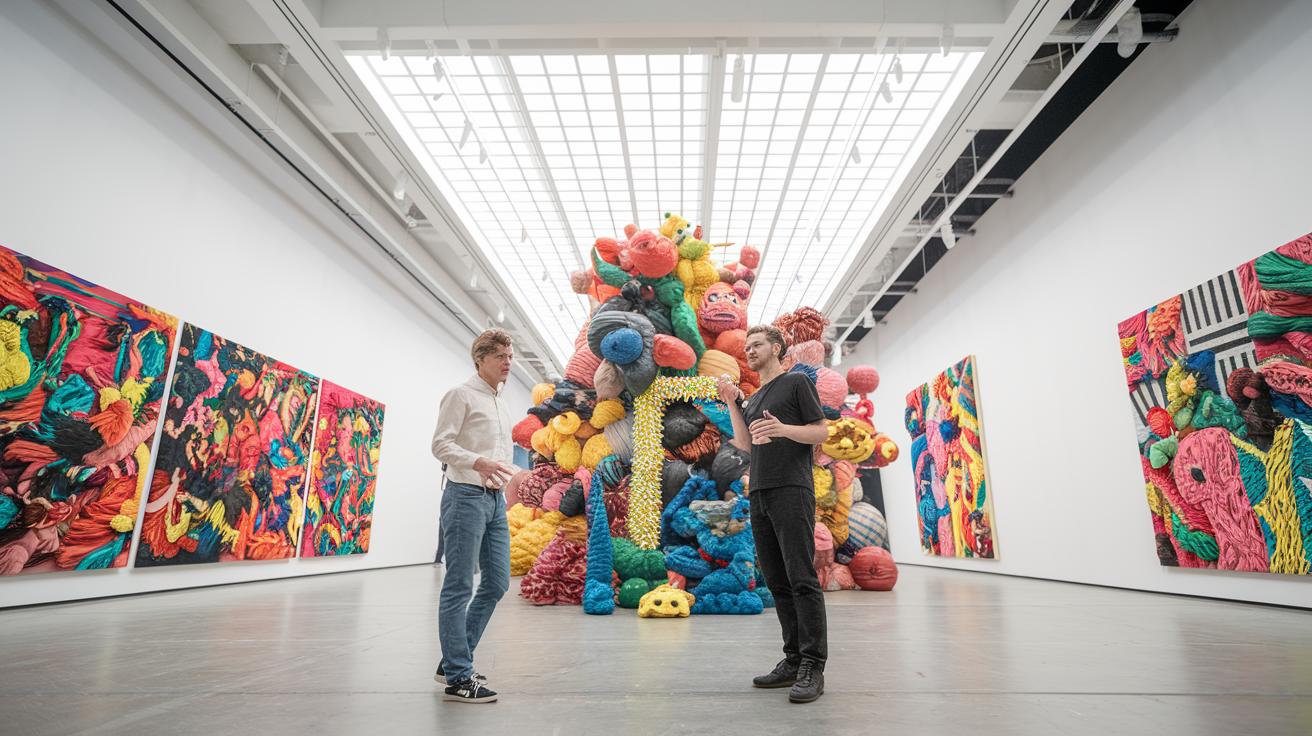
When you’re setting out to craft an immersive art experience, start by locking in a clear goal. Ask yourself if you're aiming to entertain, educate, or boost brand engagement. Maybe you’d say, "I designed this exhibit to spark memorable conversations and deep emotional connections." Having that clear purpose lights the way for every creative choice you make.
Next, sketch out your narrative like you’re planning a mini-movie. Picture your art as a story filled with engaging characters, surprises, and interactive moments that pull your visitors right into the action. Think of it as having a gentle opening, an exciting twist, and a heartwarming finale. And hey, sprinkle in sensory touches too, imagine the soft glow of dynamic lighting, the buzz of ambient sounds, intriguing textures under fingertips, and even the magic of selected scents. It’s like turning a plain corridor into a stage where every sense is in play.
Technology is your cool, behind-the-scenes sidekick. Pick gadgets that support your storyline without stealing the limelight. Simple touches like RFID triggers or interactive badges can personalize each visitor’s journey, making every experience unique. Plus, with solid coordination among your design and production teams, every element slots perfectly into place from day one.
Here’s your quick cheat sheet:
- Define a clear purpose and goal.
- Craft a narrative with a beginning, middle, and end.
- Layer visual, auditory, tactile, and scent elements.
- Integrate tech like RFID triggers and interactive badges.
- Involve design and AV teams early for smooth coordination.
By following these steps, you create a vibrant world where visitors don’t just look at art, they live it. Each element becomes part of a dynamic performance that truly captivates and connects everyone who steps in.
Defining Purpose and Conceptualization for Immersive Art Experiences
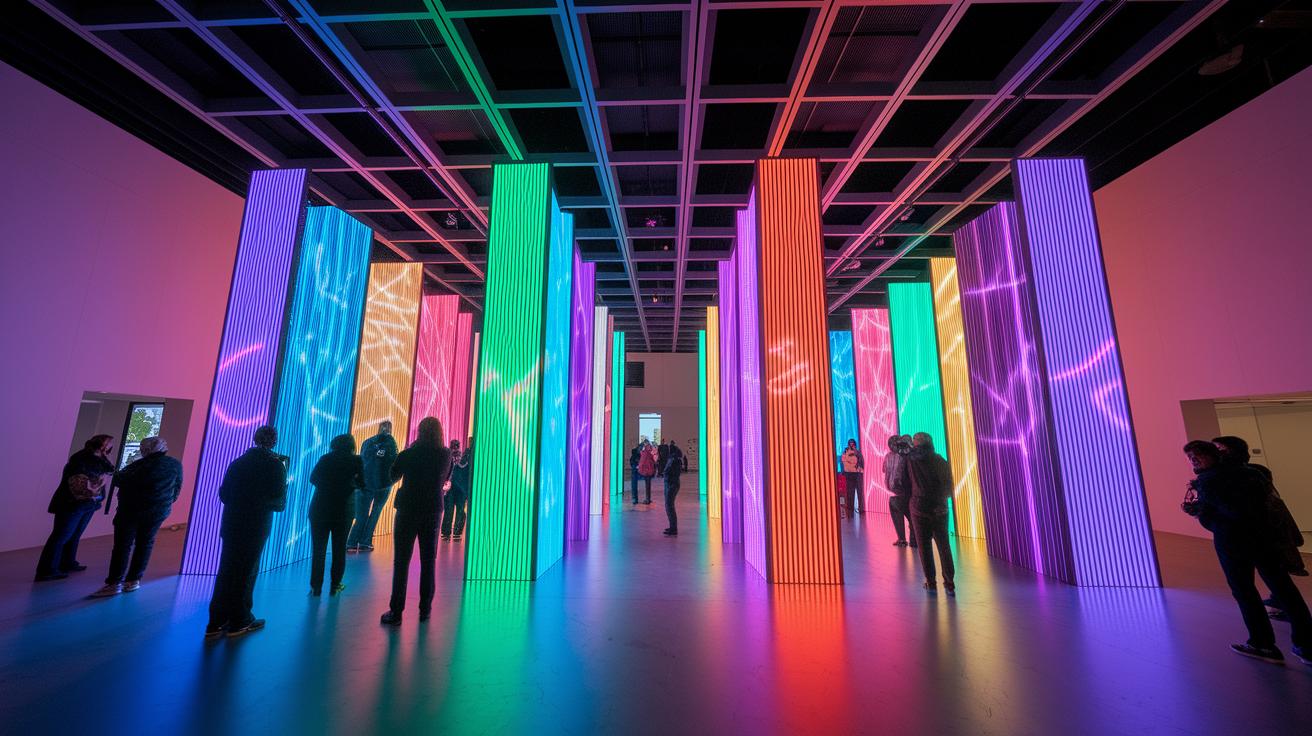
Don't just stick to simple goals, think bigger. Dive into making every design choice match your vision. Picture using bold color shifts, smart lighting cues, and sensor-driven effects that sync with your story. Fun fact: I once learned that matching sound and light to how people moved bumped up interactions by 40%!
Look at every detail and ask yourself how it lifts your theme. Break your space into themed zones where each element, from digital projections to soft background sounds, reinforces your idea. It's like setting up a live show where tech and design groove together.
Now, let’s get into the tech side. Imagine an exhibit that pairs responsive wall art with lights that track movement to boost learning. This cool setup doesn't just wow visitors, it really pulls them into the experience.
What about some next-level tricks? Use real-time data to flip visuals on the fly or add augmented reality to guide your audience through a story. Picture a spot where an app unlocks hidden tales when you point your phone at a mural.
- Check out how digital cues spark interactive moments.
- Make sure every tech tweak supports your overall vibe.
Crafting Compelling Narratives in Immersive Art Experiences
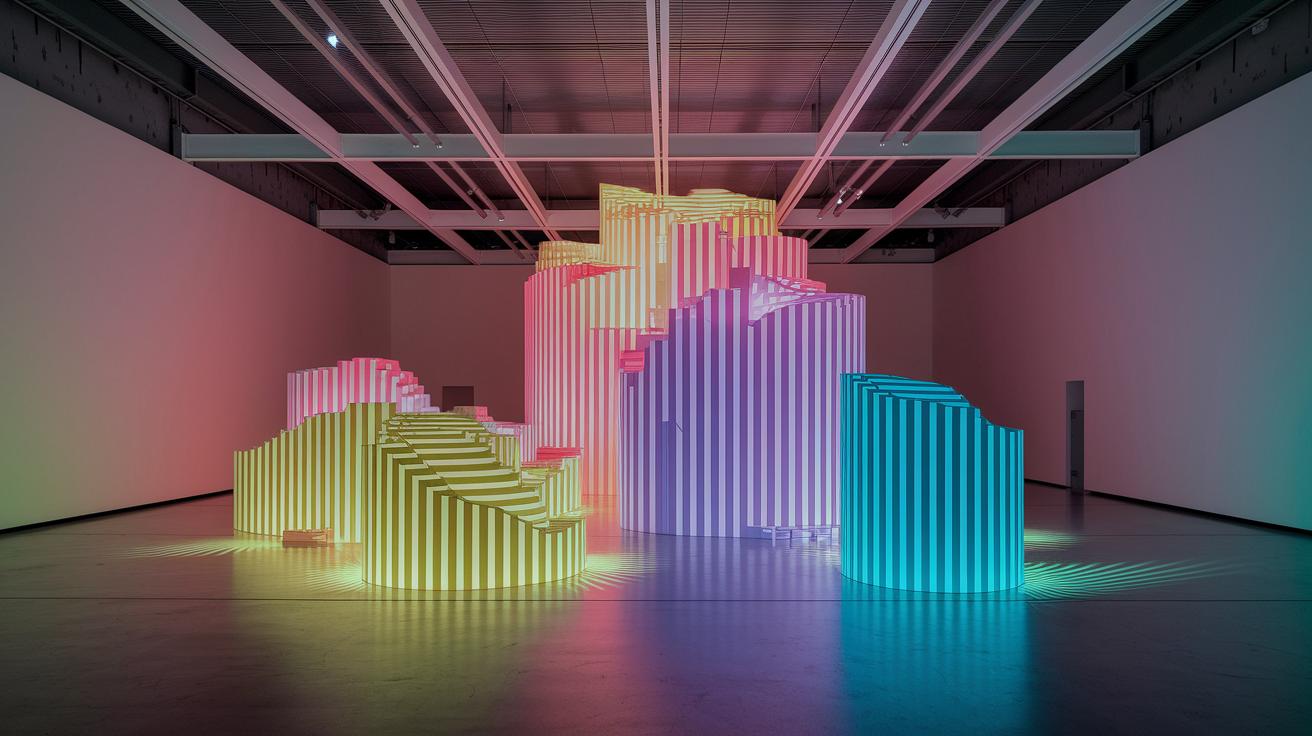
Imagine a painting that suddenly transforms, an ordinary piece turning into a doorway to a hidden story. Every detail feels like a stage prop, inviting you to uncover secrets along the way.
Now think of every design touch as a guiding cue that pulls you right into the scene. Instead of sticking to the classic beginning, middle, and end, let a change in light or a gentle hum of sound signal a new twist in the tale. Each sensation gently nudges you to join the unfolding drama.
Every element in the space, whether it's a cool interactive kiosk or a hands-on exhibit, plays its part. They quietly drop hints that lead you from one surprise to the next, making the experience feel less like a fixed path and more like a live, ever-evolving performance.
Designing Multi-Sensory Elements for Immersive Art Experiences
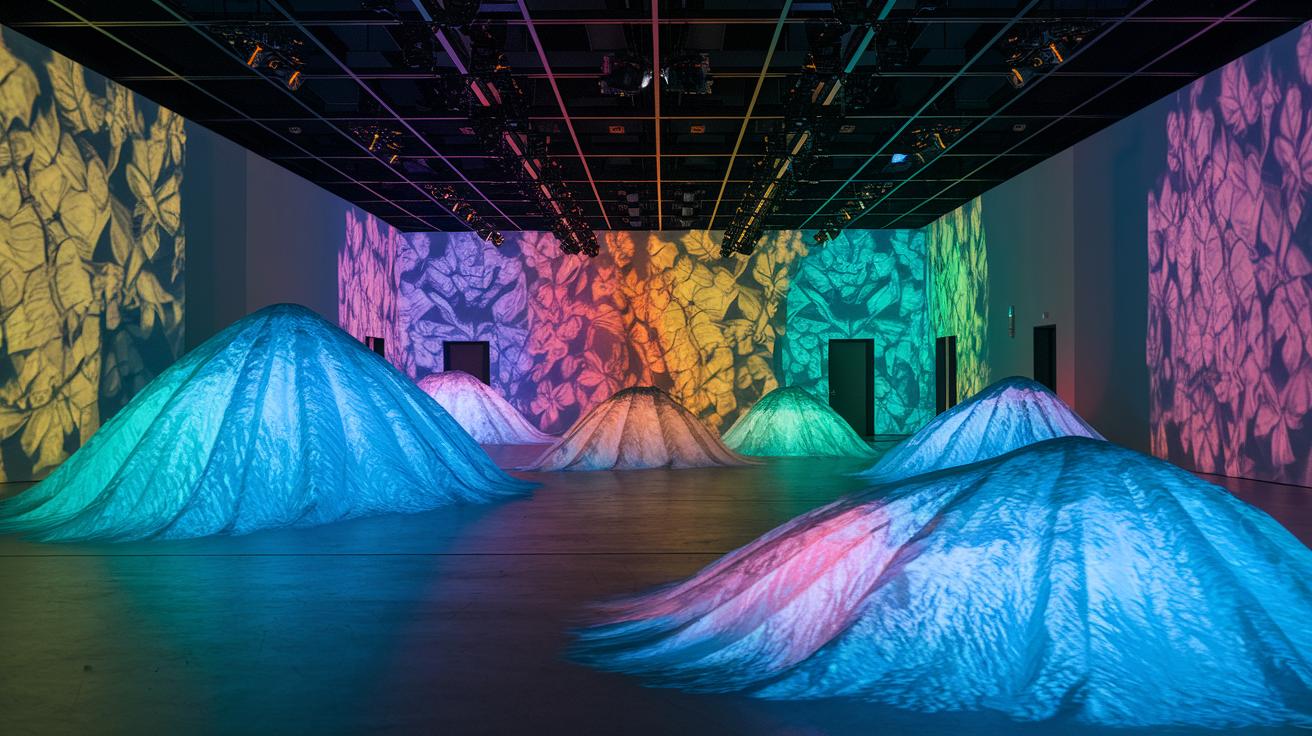
Mixing different sensory pieces turns any space into a whole new world where art goes beyond what you see, it wraps around you. Start with visuals. Think about using projection mapping and creative lighting that feel like secret cues in your story. Picture a room where colors gently shift like a soft sunrise, each glow whispering a little secret from the sky.
Sound sets the vibe, too. Imagine using directional audio and an ambient score that draw you deeper into the experience. Every step you take could reveal a hidden layer of your story, like sound guiding you along a mysterious path.
Touch adds that personal connection. Layer in textured surfaces that invite you to explore with your hands, making the experience feel real. Picture a mural that not only dazzles your eyes but also offers a tactile contrast, where rough edges play off soft curves in a friendly, unexpected conversation.
Scent and temperature act as the subtle storytellers. Use gentle fragrances that change like a familiar tune and temperature shifts that match the mood or even the season. Think of a space where a cool breeze hints at refreshing change or a warm glow wraps you up like a cozy blanket, all designed to boost the magic of the scene.
| Sensory Element | Technique |
|---|---|
| Sight | Projection mapping, dynamic lighting |
| Sound | Directional audio, ambient score |
| Touch | Textured surfaces |
| Scent | Ambient fragrances |
| Temperature | Controlled shifts to evoke moods |
Integrating Technology to Enhance Immersive Art Experiences
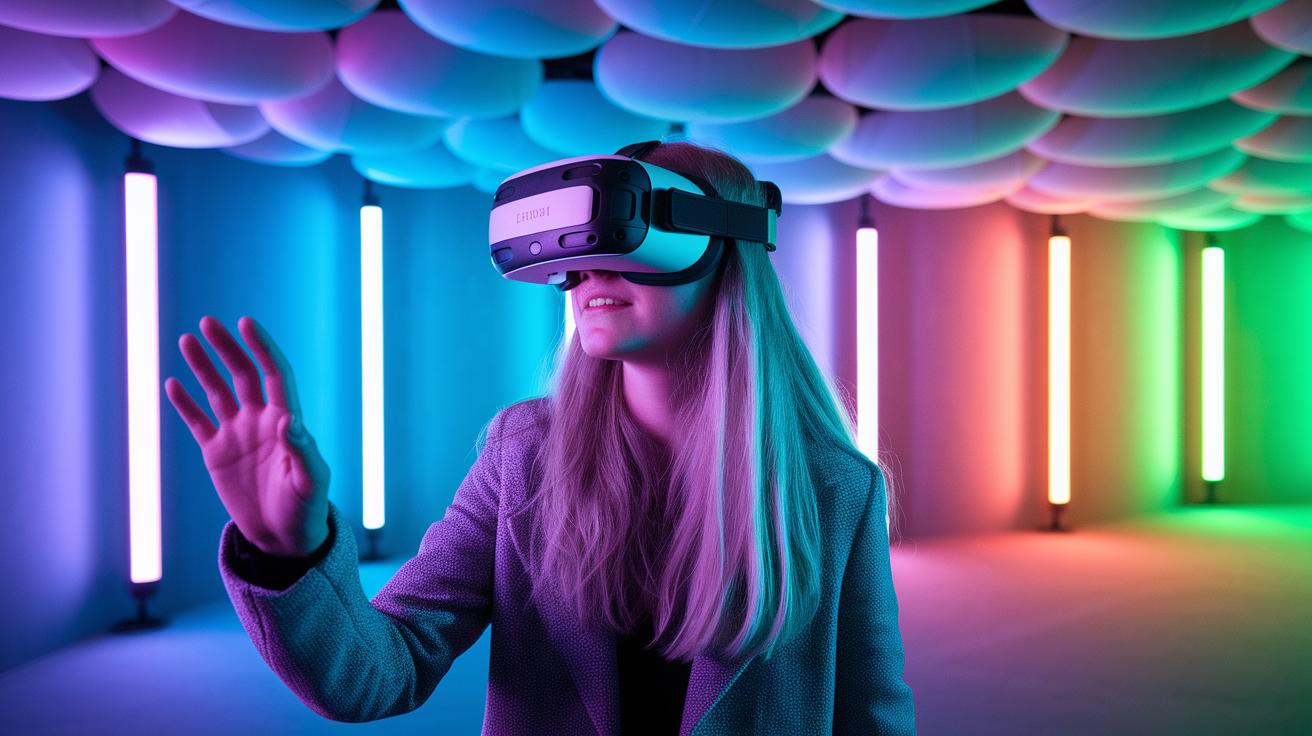
Technology is the secret sauce that boosts the story without stealing the spotlight. Virtual reality headsets take you right into another world, while cool augmented reality effects and mixed reality scenes add a dash of digital magic to real spaces. Here’s a fun fact: Before he became famous, Leonardo da Vinci drew his inventions on paper; today, VR lets artists show off their ideas on a grand scale. It’s amazing how tech sets the stage for experiences you'll never forget.
When putting together an art installation, pick gadgets that enhance the story. Holograms can bring characters to life, making them seem like they're floating right in front of you. And with RFID tech, each visitor’s experience gets a personal twist. Imagine scanning a QR code that reveals secret parts of the story, inviting you to dive deeper into the artwork. Even simple tricks like directional audio can guide you to key moments, creating a soundscape that pulls you in.
If you mix digital content with your art, teaming up with creative tech pros can really make a difference. Getting the right mix of tools, from VR and AR to mixed reality, ensures everything works together in perfect harmony with your space. When every tech piece fits just right, the whole scene feels more alive and true to the vision.
Plan your digital setup so it matches the pace and emotion of your art. Each piece of tech should add to the story, creating a consistent and exciting experience. When all the elements click together, your exhibition turns into a living, breathing work of art.
- Pick tech that boosts your story.
- Use RFID and QR codes to tailor the experience for each guest.
- Add directional audio cues to highlight the key moments.
Strategies for Audience Participation in Immersive Art Experiences

Step into a world where the artwork practically talks back to you. Imagine wandering into a space where every exhibit invites you to join the show. One cool idea is to use RFID badges that make each moment feel personalized. Picture your profile lighting up with your favorite colors as you pass by a digital mural, making you a star of the experience.
Interactive features like motion-activated lighting add a fun twist to a regular display. Lights track your movements and sound elements adjust the background tunes based on where you are standing. It’s like the installations are sharing a secret language with you, making every step feel like part of a live performance.
- Try RFID badges to spark one-on-one interactions.
- Play with motion-activated lighting that responds to your steps.
- Mix in sound-reactive features to set the perfect vibe in real time.
These ideas let you carve out your own unique journey, adding a sense of freedom and personal touch to the art. Imagine a space where your moves instantly influence the surroundings, turning a visit into an adventure that’s both touching and unforgettable.
Collaborating with Creative and Technical Teams on Immersive Art Experiences
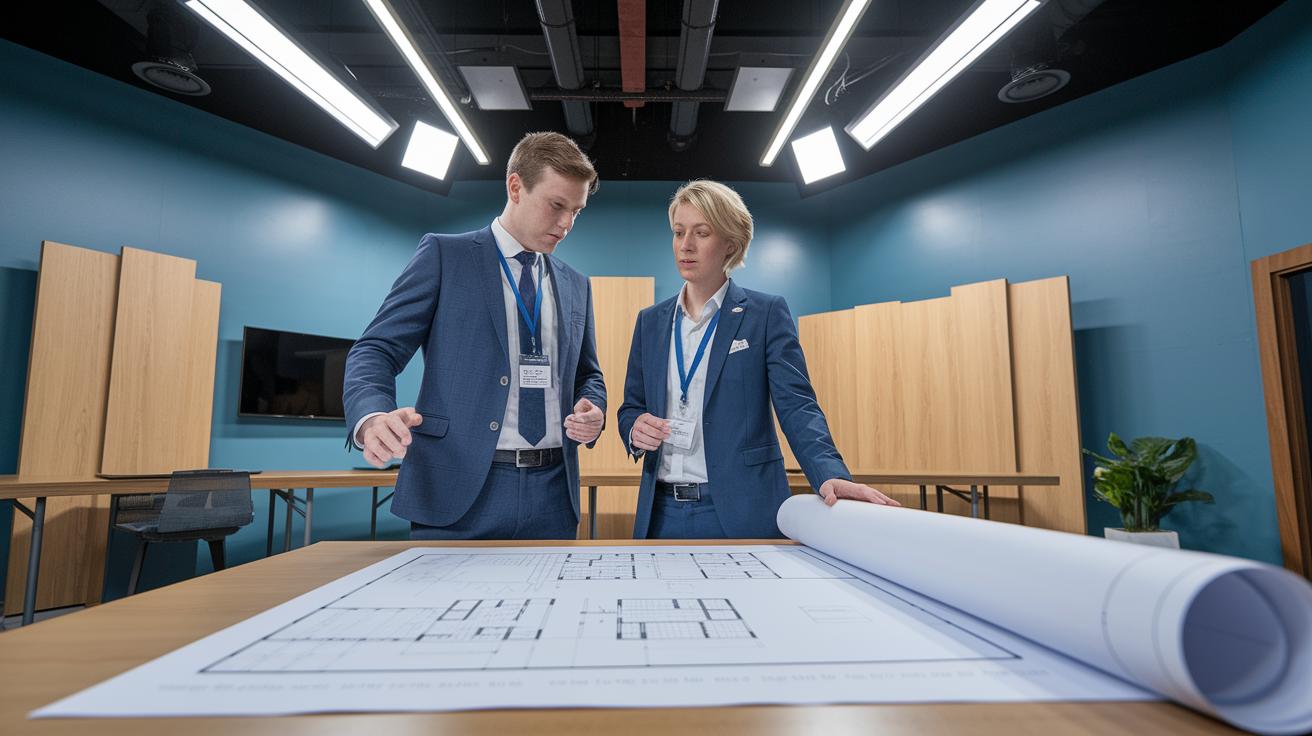
Right from the start, bring everyone together, whether they shine in creativity or technology. Audiovisual consultants, fabricators, and system integrators team up to ensure every detail fits just right. For example, teams often meet early to chat about aligning content creation with system installation so that every tech detail supports the story.
A trusted partner like Bridgewater Studio, with more than 25 years of custom fabrication and integrated design, shows that strong collaboration is essential, not just a nice bonus. Think of each expert as a puzzle piece, those skilled in digital innovation and hands-on design combine their talents to turn concepts into amazing installations.
Team members share ideas openly and experiment with new approaches, letting creative breakthroughs happen naturally. One moment, a fabricator might suggest a fresh layout; the next, an AV consultant might offer advice on syncing interactive displays. This cooperative spirit not only makes troubleshooting easier but also sparks inventive ideas that boost the overall immersive vibe.
Clear communication and shared goals help connect artistic vision with technical precision. It creates an environment where every element plays its role, ensuring the narrative comes through without any single part overshadowing the rest.
Overcoming Common Challenges in Immersive Art Experiences
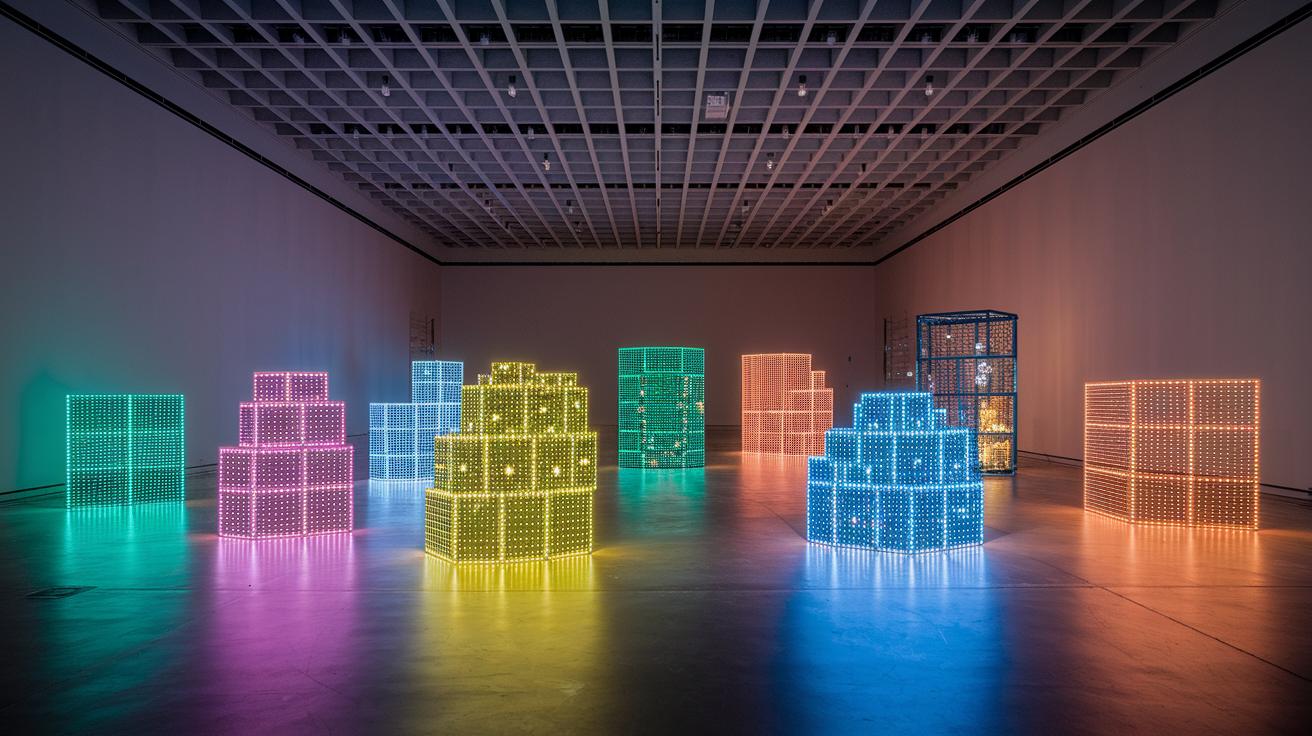
When planning an immersive art space, setting your budget is like mapping out your game plan. Think of it as drawing up a blueprint to dodge any surprises later. For instance, if you're planning to add interactive tech features, it’s smart to budget for extra power supplies or additional gear to keep things running smoothly.
Technical hiccups can pop up at the worst moments. Imagine your hardware failing or losing connectivity just as the audience is engaged. To beat this, set up a backup system. Picture a behind-the-scenes control room constantly checking that everything runs as planned.
How visitors experience your art is just as crucial. A smooth layout is key, think clear paths that guide people without crowding the space, so the art remains the star of the show. Balance your tech with interactive stories; each piece should add to the magic without stealing the spotlight.
- Outline a clear budget with rough estimates.
- Prepare backup plans for any technical issues.
- Create a layout that guides visitors while keeping safety in mind.
Case Studies of Successful Immersive Art Experiences
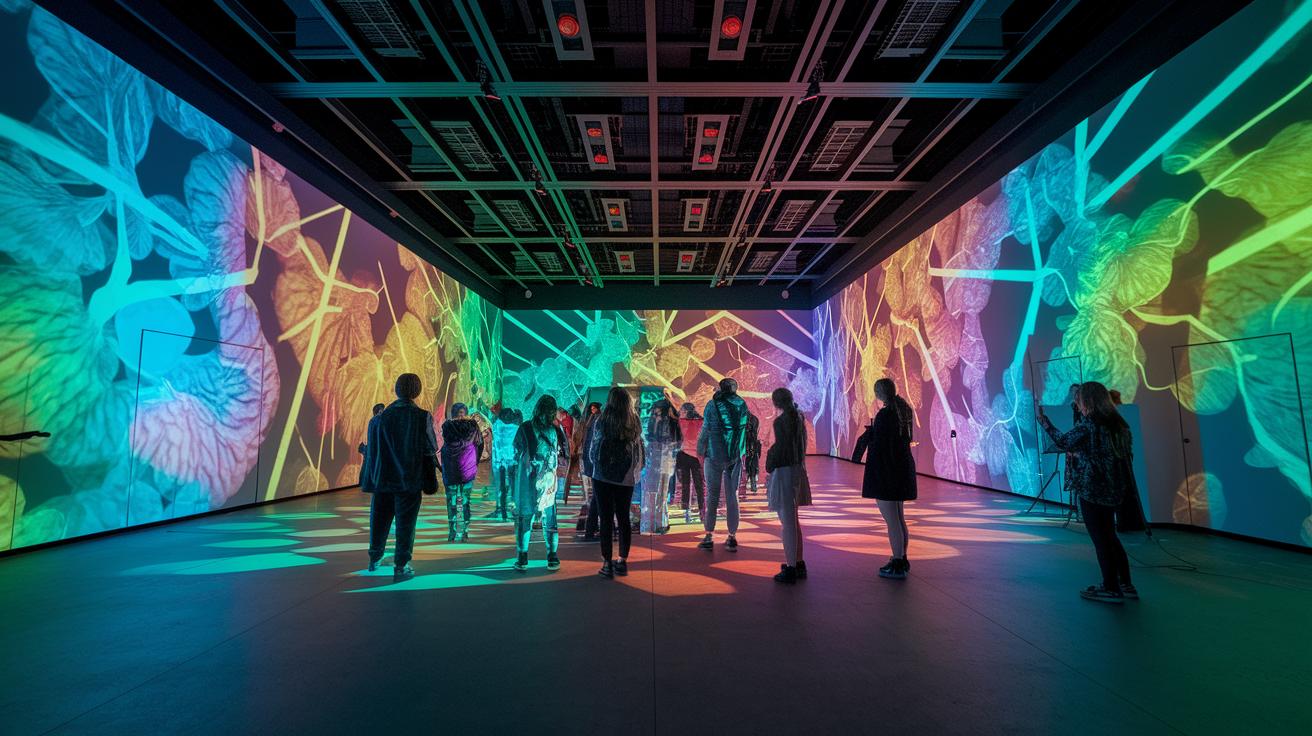
Award-winning museum installations are taking art to a whole new level. One cool project turned an old gallery into a living story. Visitors took a journey through time with smart lighting, directional sounds, and interactive RFID badges. The gentle background sounds paired with shifting projections made every corner of the exhibit tell a new part of the tale. One guest even said, "Walking through the exhibit, I felt like I was stepping into a living memory."
Themed attractions are also making a big impact by pulling you into their world. In one fun project, an art carnival mixed crisp visuals with touch-sensitive setups that reacted when you moved. Here, technology was not a sidekick but a star, sparking changes in light and sound that made each visitor’s experience truly personal. One visitor mentioned, "The exhibit spoke to me in a language all its own."
At Bridgewater Studio, magic happens when storytelling, sensory design, and technology come together. With more than 25 years of expertise in custom making and integrated design, their projects show how careful planning can turn any space into a dynamic piece of art. In one project, interactive displays, digital badges made just for you, and sensor-driven touches turned a usual room into an exciting live experience.
| Project | Key Elements |
|---|---|
| Museum Installation | RFID interactivity, dynamic lighting, directional audio |
| Themed Attraction | Motion-triggered displays, personalized digital cues, ambient environment |
| Bridgewater Studio Project | Custom fabrication, integrated design, sensor-responsive tech |
Award-winning projects show off the power of story-driven, sensory engagement. Industry leaders are fusing digital interactions with rich, touchable details. And every visitor gets to shape their own narrative, making the experience feel unique and personal.
Final Words
In the action, you’ve seen a clear run-through of turning creative ideas into vivid art experiences. We explored setting a strong purpose, crafting engaging narratives, and layering sensory elements with smart tech up front. Simple strategies showed how to invite audience participation and sync creative and tech teams seamlessly. This guide gives a quick, practical take on how to create immersive art experiences that truly resonate. Embrace these steps and step forward with excitement, knowing you’re ready to light up your next immersive event.
FAQ
How to create immersive art experiences online?
Creating immersive art online means blending creative storytelling with interactive technology. It involves planning a narrative, choosing supportive tech, and engaging your audience in a dynamic digital space.
What are some immersive art examples?
Immersive art examples include projection mapping displays, VR exhibits, and installations that combine light, sound, and tactile elements to pull viewers directly into the experience.
What are interactive community art projects?
Interactive community art projects are collaborative efforts where the audience contributes ideas or actions. This participation helps shape an evolving art piece, making the process a shared, creative event.
What defines the immersive art trend?
The immersive art trend blends technology and narrative in installations that draw viewers into a multi-sensory world. It emphasizes interactive elements that let audiences engage with art on a personal level.
What are immersive installations?
Immersive installations transform spaces by combining elements like light, sound, and texture. These setups create environments where viewers feel enveloped by the artwork.
What is interactive installation art?
Interactive installation art invites viewers to engage directly with the work. It uses hands-on elements that spark sensory and emotional reactions, making art a live, participatory event.
What is the history of immersive art?
The history of immersive art shows a shift from traditional displays to dynamic, sensory experiences. Early movements led to modern setups where art and audience interact to create evolving pieces.
What is wearable art?
Wearable art refers to creative, one-of-a-kind pieces designed to be worn. This art fuses fashion and design into custom creations that tell a story and offer personal expression.
How do you create an immersive experience and immersive art?
Creating an immersive experience means establishing clear objectives, crafting a strong narrative, layering sensory elements, and coordinating with a team. These steps ensure art and tech combine seamlessly.
How can one make an interactive art exhibit?
Making an interactive art exhibit involves designing touchpoints that invite viewer participation. It also means selecting tech that enhances the narrative while allowing the audience to shape their experience.
What software is used to create virtual exhibitions?
Virtual exhibitions often use VR platforms, augmented reality apps, and interactive mapping tools. These digital solutions help create engaging, story-driven online art spaces.