

Ever wondered why some events burst with energy while others just don’t hit the mark? Imagine your event as a live show, every choice from your goals to your guest list and budget sets the scene for unforgettable moments.
In this guide, we break it down for you, linking big ideas with clear goals and smart spending so that planning transforms into real action. Soon, your crowd and your brand will feel the magic of a show-stopping performance.
Building a Robust Event Strategy: Goals, Audience & Budget
Planning an event is like setting the stage for an unforgettable show. When you nail down your purpose, whether it's to spark networking, drive leads, boost team spirit, or share knowledge, you lay the groundwork for smart, exciting planning that sticks. This thoughtful approach can drive both revenue and a lasting impression on your brand.
Setting Clear Event Goals
Having clear goals is the secret sauce to success. Try using a simple plan like the SMART method (that means making your goals Specific, Measurable, Achievable, Relevant, and Time-bound). Whether you're aiming to increase networking opportunities or ramp up lead generation, clear goals help guide every choice, making sure every part of your event perfectly jives with your bigger business dreams.
Identifying Target Audience
Knowing who you're speaking to really makes a difference. Break your audience into little groups based on their interests, age, or jobs. This way, you can chat to them in a way that really feels personal. When your messages and experiences speak directly to different groups, you build genuine connections that keep the energy alive long after the event wraps up.
Establishing a Realistic Budget
Getting your budget right is crucial. Spread your funds wisely over the venue, marketing, staff, and a little extra for surprises. Think about both direct income, like ticket sales and sponsorships, and the hidden wins like stronger brand vibes. When you plan your money smartly, you leave plenty of room for creative ideas while keeping things under control.
Together, these steps form a solid plan that sets the scene for experiences people won't forget. Align your goals, understand your audience, and manage your budget, and you'll be all set to create events that make waves in both revenue and connection.
Planning Stage of Event Strategy: Tools, Venue & Workflow

Planning your event is where it all begins. It’s that exciting moment when ideas start to take shape into a show everyone will remember. With smart tools, a great venue, and clear steps, you create a vibe that hits every attendee right in the heart.
- Define your event goals – set clear, easy-to-measure targets.
- Set your budget and ticket tiers – decide your spending limits and pricing plans.
- Choose your venue and layout – pick a spot that flows well and is easy to get around.
- Select management tools – use check-in systems and mobile apps to keep things smooth.
- Build your website and hashtag – create a friendly site with a catchy social tag.
- Coordinate with partners – get in touch early with sponsors, speakers, and your crew.
- Develop a backup plan – plan for surprises with solid backup strategies.
Getting everyone on board early makes everything click. When partners, speakers, and sponsors join the fun before the show starts, every part, like registration, mobile apps, and website tweaks, falls into place. And aligning with your marketing team means the sign-up process and hype messages line up just right, cutting out mix-ups. Plus, having a good backup plan helps you tackle any surprises. By planning ahead, you turn potential hiccups into smooth moves that keep the energy high and every moment consistent and reliable.
Event Strategy Marketing & Promotion: Digital and Omnichannel Tactics
When you're getting ready to promote an event online, using a mix of channels really sets the vibe. Picture this: you send out fun email series along with press releases that show off the excitement of what's coming. Social media teamed up with partner shout-outs builds a solid plan that spreads your message loud and clear. Every email invite has a simple call-to-action, guiding folks straight to registration and getting everyone pumped up.
Timing is everything in your campaign. Think about kicking off a social media push a week ahead to stir up excitement, then giving it another go 48 hours before the event, and finally sending a quick reminder an hour before start time. This keeps your message fresh and makes sure it sticks. Plus, tracking your event hashtag across platforms lets you see what’s working so you can switch things up if needed.
By blending these digital and all-channel strategies, you build buzz that holds steady right up to the event. Using lots of media not only stretches your reach but also gives many chances for people to catch a glimpse of what’s coming. This well-knit digital plan paves the way for more sign-ups and an all-around hit event.
Virtual and Hybrid Event Strategy: Engagement & Technology Integration

Virtual events aren’t just online meetings; they’re lively experiences that need a fresh, interactive twist. It’s like setting the stage with live polls, fun Q&A sessions, and virtual hangout spots where everyone can connect. With a strong mobile app and smooth live streaming, every moment feels real, while live stats keep you in tune with the crowd’s energy.
Designing Virtual Event Engagement
Interactive touches turn a simple session into a dynamic gathering. Imagine using live polls to spark opinions and real-time Q&A to let thoughts flow freely. Virtual networking lounges offer a cozy space for casual conversations, almost like bumping into a friend at a party. A design that’s easy to use makes sure everyone feels welcome and part of the action.
Operational Design for Hybrid Conferences
Hybrid events blend in-person and online elements so nothing feels out of sync. Every attendee gets the same thrilling experience thanks to aligned schedules and smart platform integration. Investing in rock-solid streaming, real-time insights, and backup plans helps dodge tech glitches. Clear, friendly communication ties it all together, keeping both live and virtual crowds engaged from start to finish.
Balancing tech and creativity in these events is key. By focusing on interactive features, precise tech details, and quick problem-solving, you can create a unified, memorable event where every participant feels part of the same exciting journey.
Measuring Event Strategy Success: KPIs & ROI Analysis
Metrics are like the heartbeat of your event strategy. They tell you what really clicks with your audience and what might need a little tweaking. When you keep track of registrations, revenue, satisfaction, and NPS, you're getting a genuine look at how things are working out, helping you make smart, real-time decisions that turn each event into an unforgettable experience.
| KPI | Definition | Measurement Method |
|---|---|---|
| Registrations | Total sign-ups | Registration system data |
| Revenue | Ticket & sponsorship income | Finance reports |
| NPS | Attendee satisfaction score | Post-event survey |
| Engagement Rate | Session attendance/interaction | Analytics dashboard |
Using these key performance indicators doesn’t just help you run one event, it sets you up for non-stop improvement. Imagine watching numbers in real time: registration data, finance stats, survey feedback, and analytics all working together like a well-rehearsed band. It lets you spot trends on the fly and adjust things on the spot. Whether you’re fine-tuning your marketing message or ramping up onsite fun, you get to fix issues fast and cheer on every win, knowing exactly where to invest your energy next.
Looking ahead, let the numbers guide you. Every bit of data is a tip to rework your strategy, making your events more exciting and profitable. By celebrating what works and rethinking what doesn’t, you create smarter, more memorable experiences that stick with your audience long after the event. So next time, lean on your metrics, they’re there to help you craft standout events time and time again.
Creative Activation in Event Strategy: Experiential Marketing & Sponsorship
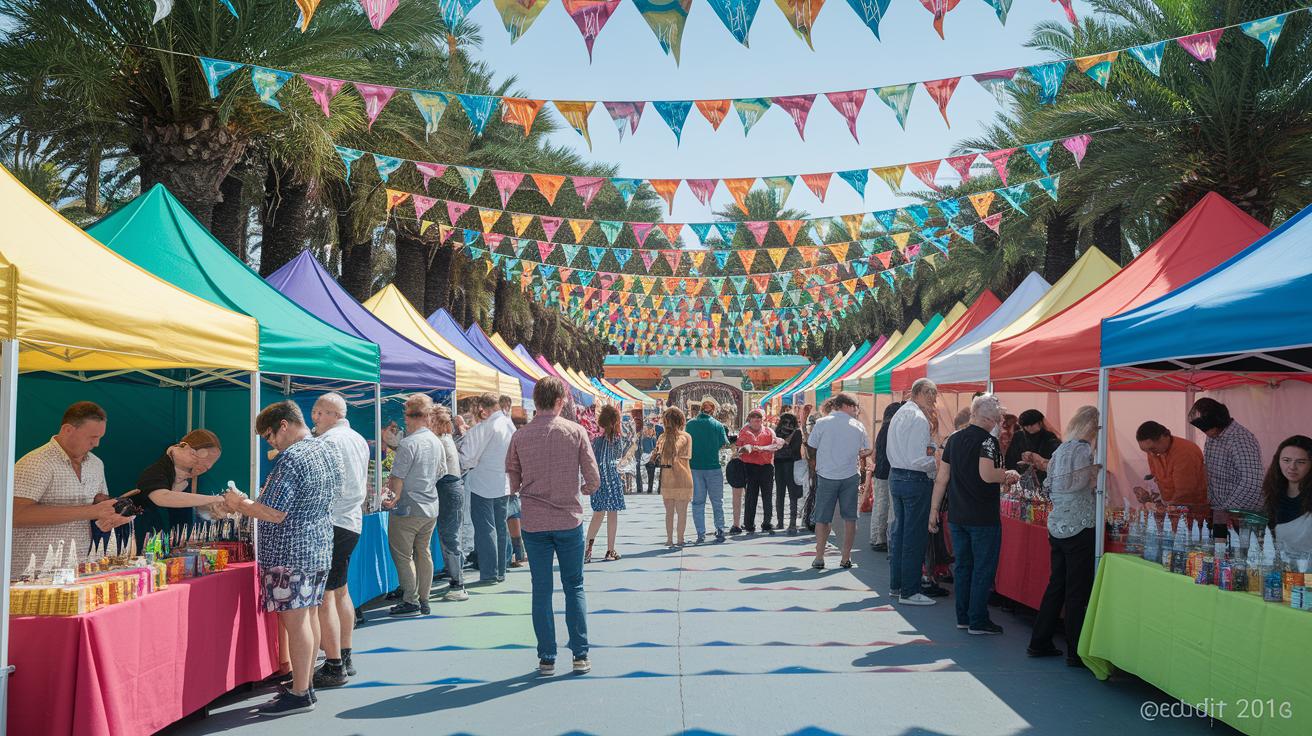
Creative activation turns an event into a lively, real-life experience. Picture your brand story coming to life with hands-on activities that spark curiosity and genuine excitement in everyone there. By adding on-the-spot experiences, you transform a regular event into a playful mix of art, music, and live performance. And those moments stick with people long after the event is over.
Fresh sponsorship ideas add even more buzz. First, do some research to find out what your partners really care about. Then, offer different levels of support with clear perks. Think about setting up fun interactive booths where people can try products, or cool photo spots that make it easy to share on social media. You could even let folks sample your products so they can really feel what you offer. These ideas mix hands-on event marketing with smart sponsorship plans, making sure everyone wins.
When you blend creative energy with smart sponsorships, you build a scene where engagement and teamwork shine. Every person at the event becomes part of the story. Sponsors get noticed and connect with the crowd in a deeper way. Creative activation not only boosts your brand image, it leaves a lasting memory of an event full of energy and real connections.
Final Words
In the action of setting goals, defining audiences, and mastering a clear budget, we see how every step adds up to an ace event strategy. The planning stage sparks early coordination, while tech and creative elements mix live energy with smart details. Measuring success with simple, real data helps keep the momentum alive. All these elements come together to create an experience that feels personal, exciting, and full of promise. Enjoy the creative buzz and keep reinventing live entertainment for the best moments ahead.
FAQ
What is an event strategy template, example, or framework?
An event strategy template provides a clear structure to set goals, identify your audience, and allocate your budget. It acts as a blueprint for planning, marketing, and risk management to deliver a successful event.
What career opportunities exist in event strategy, including event strategist jobs and group roles?
Careers in event strategy include roles like event strategist, planning consultant, and positions in strategy groups. These professionals focus on design, execution, and evaluation to create engaging live experiences.
What is an Event Management Strategies PDF?
An Event Management Strategies PDF offers a concise guide that outlines key planning steps such as goal setting, venue selection, digital registration, and risk planning. It provides ready-to-use tips for effective event execution.
What are the 5 C’s of an event?
The 5 C’s of an event cover concept clarity, coordination, creative content, consistent communication, and control. Each element helps maintain quality and ensures smooth event operations.
What are the 5 P’s of event planning?
The 5 P’s of event planning refer to defining the purpose, detailed planning, engaging the people, managing production details, and evaluating performance after the event for continuous improvement.
What are the 5 A’s of event planning?
The 5 A’s of event planning involve building awareness, creating appeal, prompting action, activating engagement, and fostering advocacy to drive attendee interest and event success.
What are the 7 stages of event planning?
The 7 stages of event planning include establishing strategy, setting a budget, selecting a venue, coordinating logistics, executing marketing, running the event, and conducting post-event evaluation to refine future events.