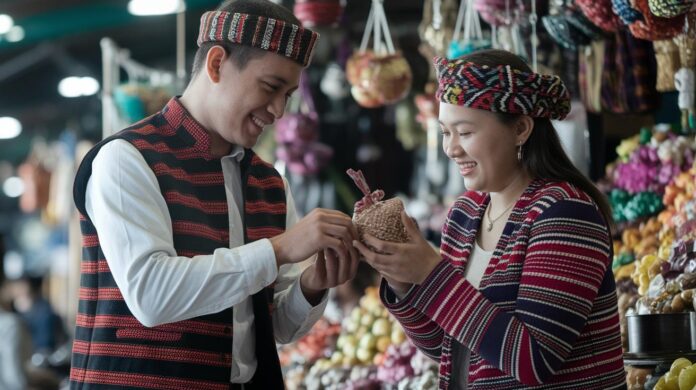

Ever notice how a simple hello can feel totally different on the other side of the world? It’s like stepping into a backstage pass where every culture brings its own flair. Our values and the way we connect get colored by long-held traditions and unique styles, much like the vibrant energy of a live event.
By tuning in to these little differences, we can turn everyday hellos into heartfelt moments. Think of it like catching a glimpse of the glimmer of stage lights that make an ordinary night feel magical. Embracing these fresh twists helps us build bonds that celebrate the mix of our shared human experience.
How Cultural Differences Shape Values, Traditions, and Communication
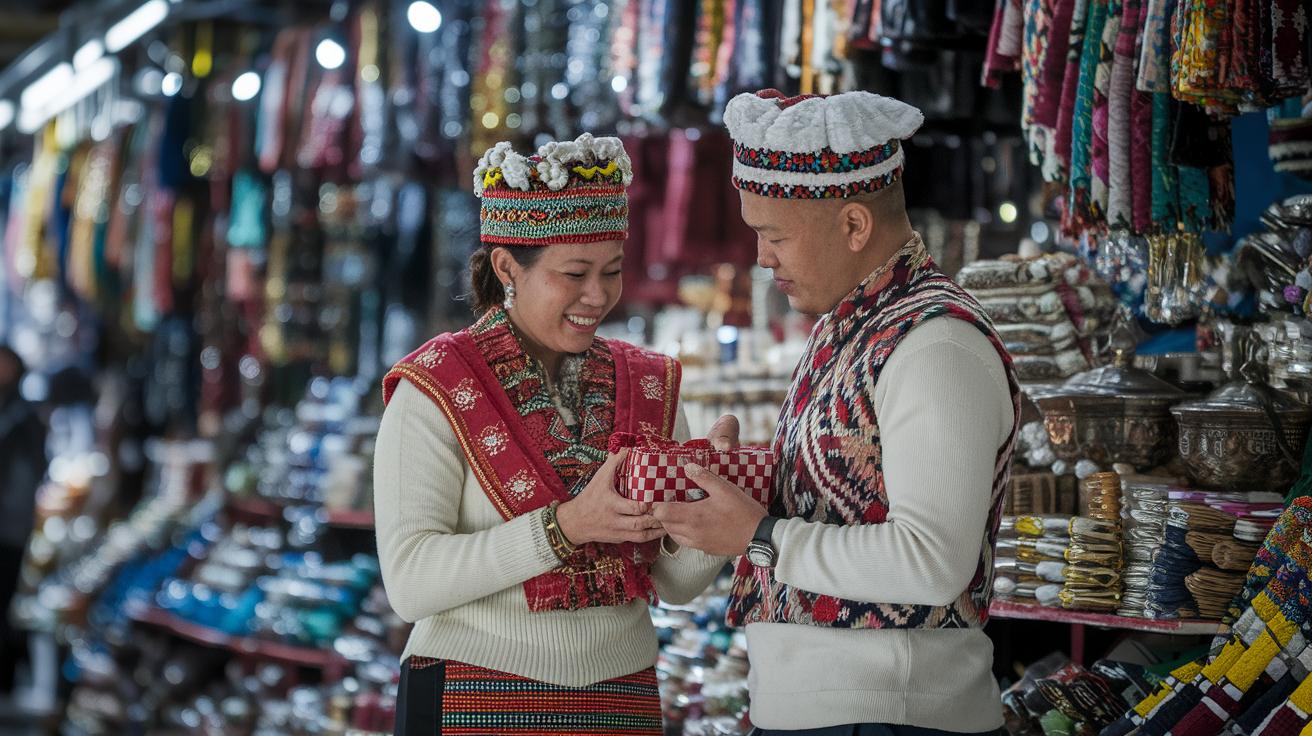
Ever notice how different cultures shape our everyday lives? Each group brings its own way of doing things, its own values, traditions, and behaviors that come from unique places and histories. These differences affect how we talk, connect, and build relationships.
For anyone working on global marketing or digital content, it’s super important to get these nuances. When you tune in to cultural vibes, you craft messages that truly click with people from all walks of life. It’s like mixing the perfect playlist with tunes that everyone loves.
When we really understand these cultural splits, interactions become way more meaningful. Tailoring messages to match local customs and values makes them clear and engaging. Leaders and content creators who take the time to learn about these traditions can turn what might be a misunderstanding into a chance to connect on a deeper level. This thoughtful approach not only builds trust, it celebrates the rich mix of global perspectives, traditions, and ways of communicating.
For instance, tweaking the tone or using imagery that fits a specific culture can help brands connect in a real, authentic way. Every exchange then turns into a little celebration of our shared, yet wonderfully diverse, human experience.
Communication Styles and Cultural Differences Across Regions
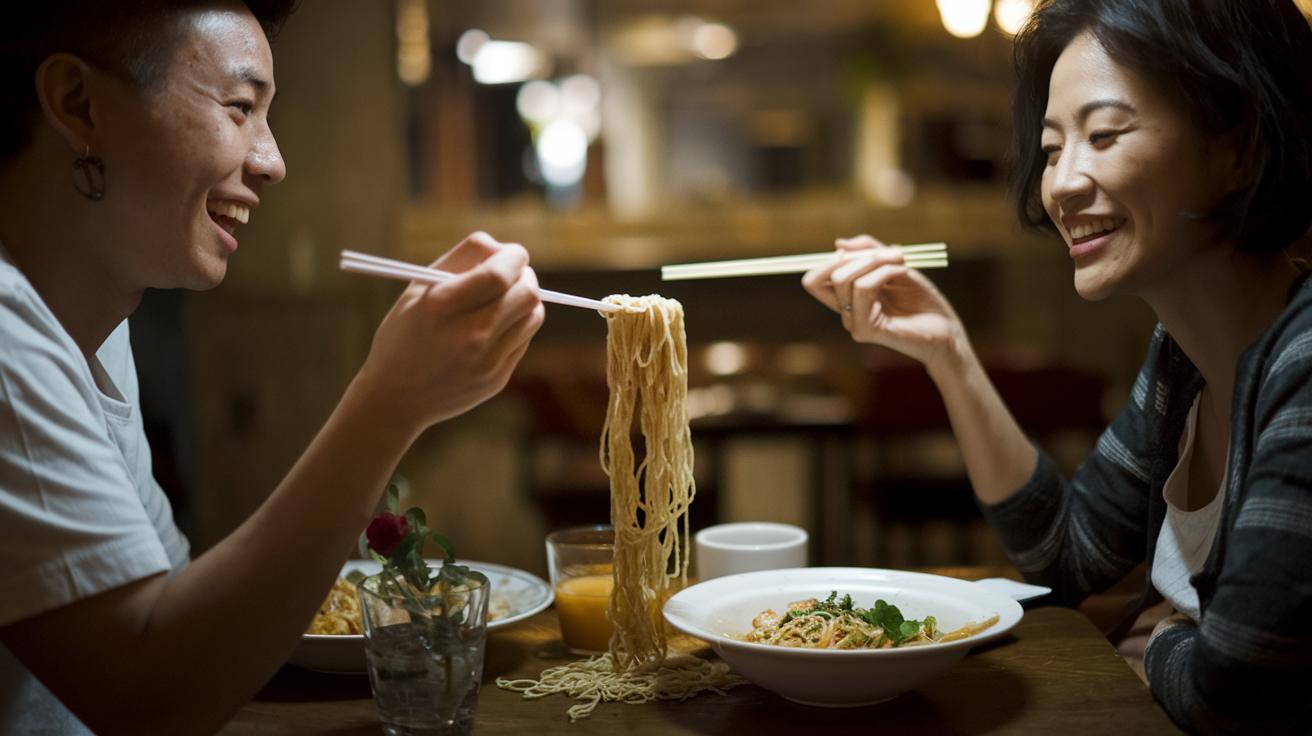
Across our global community, the way we talk totally changes from one culture to the next. You can see it in every little gesture and every carefully chosen word. Did you know that in Japan, slurping your noodles is a way of showing true delight? It shows how there, feelings and relationships matter just as much as the actual words. This colorful mix means that every conversation plays a part in building strong new bonds around the world.
High-Context Communication
In many parts of the world like Japan, Arab nations, and Latin America, people really lean on shared experiences and nonverbal signs. It’s all about the vibe. Sometimes, a quiet look or a soft smile says more than a whole sentence. Imagine sitting at a dinner table, where a nod or a glance fills in the story behind the words. It’s like putting together a puzzle, each tiny piece of body language is key to seeing the whole picture.
Low-Context Communication
Then, in places like Germany, Scandinavia, and North America, everyone prefers to get straight to the point. Here, every idea is spelled out clearly, much like following instructions in an easy-to-read guide. There’s no guesswork needed because every detail is shared with precision. These direct chats make sure nothing important gets lost in translation, which is pretty handy when things get complicated.
| Style | Context Level | Example Region |
|---|---|---|
| Indirect and Symbolic | High-Context | Japan |
| Subtle and Relational | High-Context | Arab Nations |
| Expressive and Nuanced | High-Context | Latin America |
| Direct and Explicit | Low-Context | Germany |
| Clear and Information-Driven | Low-Context | North America |
Nonverbal Cultural Differences: Gestures and Body Language

Imagine a world where a simple gesture can speak louder than words. Around the globe, nonverbal cues quietly showcase respect, warmth, and identity without saying a single word. These soft signals, like a knowing look or a gentle nod, help us connect with others in ways that words sometimes can’t.
In some cultures, even the way you point or greet someone tells a story about where you come from. In Malaysia and Indonesia, for example, using your thumb instead of your index finger to point is a special sign of courtesy. It’s a small detail that shows a big respect for tradition and mindfulness.
Then there’s Nicaragua, where people add a unique twist to pointing. Here, folks might point with their lips in a playful, duck face style. It’s a fun local quirk that turns an ordinary gesture into something charming and distinctly their own.
Over in France, the art of greeting is all about connection. Friends share cheek kisses as a way to say hello, creating a warm and familiar bond that feels both stylish and affectionate. It’s like a secret handshake that only close pals share.
Among the Yoruba in Nigeria, respect takes on a more formal form. Younger people show their admiration for elders by kneeling (for women) or even prostrating (for men). This time-honored act is a heartfelt nod to tradition that has been passed down through generations.
In many parts of the Middle East, India, Sri Lanka, and Africa, etiquette has a clear rule too. Using the left hand in social interactions is often avoided, because it’s seen as less clean or proper. This detail highlights just how much care people take in showing respect in everyday life.
- In Malaysia and Indonesia, using your thumb to point shows deep courtesy.
- In Nicaragua, a playful lip-pointing twist reflects the local spirit.
- In France, sharing cheek kisses makes greetings warm and friendly.
- Among the Yoruba, showing respect by kneeling or prostrating is a cherished tradition.
- Across regions like the Middle East, India, Sri Lanka, and Africa, avoiding the left hand in interactions is a key sign of respect.
Cultural Differences in Social Rituals and Traditions Worldwide
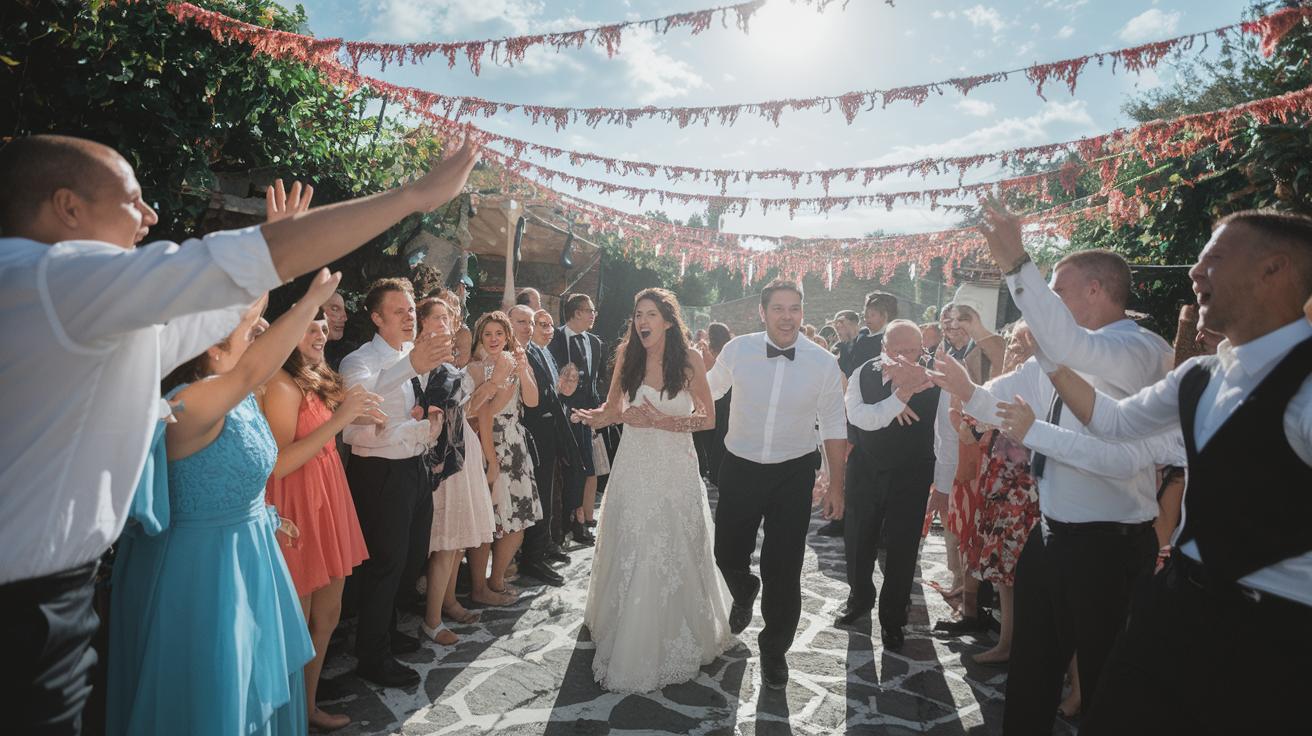
Greek weddings and Russian family traditions show us that celebrations can really bring people together in surprising ways. In Greece, when friends and family shout "ftou ftou ftou" during a wedding, it’s more than just a wish for good luck, it’s a heartfelt call for happiness and prosperity. Meanwhile, Russia celebrates September 12 as the "Day of Conception," a playful invitation for couples to start families. Each event may seem different, but both capture the joy of life and the power of coming together.
In Denmark, cemeteries are given a fun twist on sunny days. These usually quiet, solemn spaces turn into cheerful spots for picnics and friendly hangouts. On the other hand, Iceland takes freedom to a new level; here, public nudity, like enjoying topless beaches, is seen as a bold way to express comfort and openness. Though these customs differ, they both challenge everyday norms and remind us that local traditions often reflect deeper values of inclusion and creative celebration.
Then there’s Spain’s La Tomatina, a festival where thousands gather for a wild tomato fight that lights up the streets with splashes of red! Events like these, and many celebrations during Black History Month, prove that honoring heritage can be full of humor, creativity, and genuine connection, uniting communities all over the world.
Workplace and Business: Navigating Cultural Differences in Professional Settings

Global business is a bit like mixing different ingredients for a perfect recipe. Understanding cultural differences isn’t just a nice-to-have, it’s essential for a team to click and to make deals run smoothly.
In South Korea, for example, handing something over with both hands shows true respect and a passion for courtesy. Now, think about China, where giving certain gifts, like cut flowers, might hit a sour note because of their link to funerals. Even thoughtful gestures can be misunderstood when people come from different backgrounds.
Over in Georgia, the local toast might even include a quirky wish for bad luck toward someone. It might sound odd at first, but it’s all part of their deep-rooted tradition. Recognizing these little nuances helps keep conversations clear and respectful.
When teams from all over the world mix, it can really spark creativity and boost productivity. Take Tanzania: arriving 15 minutes late is seen as normal, a laid-back view on time. That relaxed style might clash with the strict punctuality many Western offices are used to.
Companies can bridge these gaps by offering cultural training and open, honest chats. For more on blending diverse work cultures, check out this resource: https://hautcollective.com?p=444. By celebrating each unique tradition, everyone feels understood and valued. This kind of respect not only paves the way for smoother negotiations but also helps everyday work flow without hiccups.
Strategies for Adapting to Cultural Differences and Building Sensitivity

Training sessions give you a clear path to exploring global diversity. Courses like CQ® Certification, Unconscious Bias Train-the-Trainer, and Implicit Bias in Healthcare aren’t just classes, they’re practical guides that help you navigate cross-cultural conversations with real confidence. They work like essential tools that clear up misunderstandings and sharpen your communication, whether you're heading off on a study abroad adventure, working in healthcare, or diving into international business. And with check-ins via CQ Pro Assessment and CQ 360° for teams, you can track your progress just like tuning your favorite instrument. Consistent practice truly builds that expertise and everyday sensitivity.
CQ® Certification and Assessment Tools
These certification programs and tailored assessments lay out a clear roadmap for boosting your cultural competence. They break down tricky cultural challenges into easy, bite-sized steps and offer helpful feedback along the way. Imagine uncovering hidden biases and fine-tuning your conversation style, this approach leads to more respectful and effective interactions every time.
Continuous Cultural Mentorship
Ongoing mentorship and friendly peer feedback keep the training dynamic and alive. With constant cultural guidance, every new insight gets woven into your daily routine. This creates an atmosphere where sensitivity blossoms naturally, and understanding different cultures becomes as effortless as chatting with a close friend.
Final Words
In the action, this piece zoomed through how cultural differences shape behaviors, values, and conversations while spotlighting global events and unique traditions. The post broke down communication styles, shared quirky nonverbal cues, and highlighted distinct workplace practices, giving a real taste of life on a global stage.
Every section brought its own flavor to the conversation, proving that connecting with diverse cultures can be both fun and eye-opening. Keep the energy high and embrace these nuances, they remind us that our world is full of surprises and shared moments.
FAQ
Q: What is an example of a cultural difference?
A: An example of a cultural difference is greeting customs—some cultures favor a firm handshake while others use a gentle bow, reflecting their unique social values and communication styles.
Q: What are the 8 main types of cultural differences?
A: The 8 main types cover communication styles, values, traditions, behaviors, social norms, rituals, nonverbal cues, and expressions of identity that vary among different groups.
Q: What are cultural differences in meaning?
A: Cultural differences in meaning refer to how symbols, gestures, and words hold distinct significance among groups, affecting how people interpret actions and communications.
Q: How do cultural differences affect communication?
A: Cultural differences shape communication by influencing language use, tone, and nonverbal cues. For example, high-context cultures rely on subtle signals while low-context groups favor direct, clear messages.
Q: Are there resources like PDFs or books available on cultural differences?
A: Yes, resource materials including PDFs and books offer detailed discussions on cultural differences, covering topics from social norms to communication styles in various parts of the world.