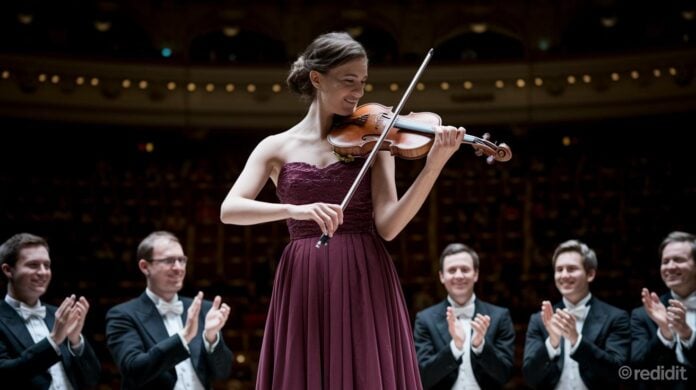

Ever wondered what makes an encore so magical? In a live show, that extra song is not just another tune. It is the moment when the crowd and the performer truly connect.
When the clapping turns into a warm call for more, the stage fills with emotion and celebration. This special moment transforms a regular gig into an unforgettable night, proving that an encore is all about the silent bond between the artist and their fans.
What Does Encore Mean in Live Music?

An encore is that extra moment after the main show when the energy in the room just can’t be contained. The band or artist comes back on stage because the crowd’s excitement, through clapping, chanting, and shouting, tells them there's still more magic to share. It’s like everyone is saying, "One more song, please!"
This extra performance isn’t just a bonus; it’s a genuine response to a performance that truly touched the audience. Musicians take that heartfelt cheer of "BRAVO! ENCORE!" as proof that their music made a solid connection with everyone there. In those final moments, the stage lights mix with the energy of the crowd to create an unforgettable conversation between the artist and fans.
- Applause that starts soft and gets louder every minute
- Shouts and cheers that clearly ask for another song
- Standing ovations that keep going even after the show should have ended
- Non-stop chants or rhythmic clapping that keep the vibe alive
Encores are a beloved tradition in live concerts because they capture that raw, unfiltered energy shared by performers and their fans. That spontaneous return to the stage turns a regular show into an electrifying finale that everyone walks away remembering.
Historical Roots of the Musical Encore

Back in the early days, encores happened by pure chance. Musicians would be in the middle of their act when an outburst of cheers, shouts, and claps so powerful would draw them back on stage. Imagine a singer, just leaving the spotlight, only to be pulled back by a crowd buzzing with energy. In fact, in one 19th-century show, a lead guitarist was so moved by non-stop clapping that he scrapped his exit plan for an unexpected solo.
As the 20th century rolled in, encores started to feel less like a surprise and more like a cherished bonus. Artists and promoters began planning a couple of extra songs just to keep the excitement going. Think about a band on a foggy stage setting aside one or two songs just for the encore, turning the final moments of their show into a much-anticipated climax.
Today, what was once a spontaneous return has turned into a well-practiced performance highlight. Many stories and articles have celebrated how encores morphed from rare, unforeseen moments into a vital part of every live event. This evolution really shines a spotlight on the strong bond between the performer and the audience, turning a surprise comeback into an enduring tradition that still thrills fans all over the world.
Why Performers Offer Encores

Encores leave performers with a satisfying warm buzz, knowing they really struck a chord with the crowd. It’s like sharing a secret nod with the audience, a moment when all that hard work lights up the stage with an extra burst of energy.
- Fans showing their genuine love with wild cheers
- A cherished live show tradition that fans secretly (or not so secretly) adore
- A clever setlist move where artists save one more song to keep the fire burning
- A neat chance to boost sales or snap up cool merchandise during the final act
- A unique connection that reminds both the performer and fans of their unbeatable bond
But sometimes, even when the crowd is shouting for more, an encore doesn’t happen. It might be due to a packed schedule or strict venue rules that don’t allow extra performances. Even if everyone is ready for another hit, behind-the-scenes challenges can sometimes hold back that final showstopper.
The Significance of Encores in Music Culture

Extra stage performances pack a burst of feeling and set a show's mood in a whole new way. When the last set ends, that bonus moment feels like a secret shared between the artist and the crowd. It’s a gentle promise that the magic of the night will stick with everyone.
An encore is more than just an extra song. It brings fans together in a joyful celebration, uniting the crowd with shared energy. When an artist comes back for that brief moment, it's like saying, "We did that together."
For decades, encores have been a beloved part of live shows. They take a simple goodbye and turn it into an ongoing story between the performer and the audience.
- Communal joy: The extra performance brings fans together in one happy moment.
- Artist thanks: An encore is the artist’s way of returning the love they get on stage.
- Timeless tradition: Rooted in concert history, encores have become a cherished ritual.
- Story twist: That final note changes a farewell into a memory that lives on.
Encore moments turn a concert into an unforgettable experience by blending the thrill of live music with the warmth of a shared secret.
Modern Trends in Encore Practices

These days, concerts almost always include an encore. Top acts on tours and at festivals set aside one or two songs just for that extra moment. It’s planned into the show, so fans know they’re getting a bit more magic even after the main set. But sometimes, the crowd’s energy sparks an unplanned return that surprises everyone and lights up social media.
Pre-Planned vs. Spontaneous Encores
Some artists map out their whole setlist like a roadmap, leading right into a pre-planned encore. This gives fans something to eagerly watch for, and it keeps the idea of the performance fresh and connected. They might save a hit song or two to bring that extra burst of excitement when the time is just right.
Then there are the spontaneous encores. Here, the artist jumps back on stage only when the crowd’s vibe peaks unexpectedly. It’s all about that in-the-moment feeling, driven by the audience’s loud cheers and contagious energy. Both styles show how encores today are an essential part of the live music experience.
Final Words
In the action, we explored the encore meaning in music, breaking down its definition, historical roots, and the excitement behind bonus performances. We uncovered why artists leave the stage for one more song and how these callbacks build a special bond between performers and fans.
We also checked out modern twists on this classic practice, showing that each encore is a timeless nod to live music thrills. Every return to the stage adds another layer of magic to the show, keep the energy alive!
FAQ
What does an encore mean in music?
The encore in music means a bonus performance at the end of a concert. It happens when the audience shows strong applause and excitement, prompting the artist to return to the stage for one or more extra songs.
What does “encore” mean in French, Hindi, or Urdu?
The term “encore” originates from French, meaning “again.” In Hindi and Urdu contexts, it is used to signal an extra performance or a repeat of a song when the audience demands more.
What is an encore concert?
The encore concert refers to a show segment where performers come back after the planned set, offering additional songs due to enthusiastic audience reaction and applause.
Why do artists do encores?
Artists do encores to extend the live experience and acknowledge the audience’s appreciation. This extra performance deepens the connection between the performer and the fans, leaving a lasting impression.
What is an encore song?
The encore song is the extra track played at the end of the main set. It acts as a special bonus for the crowd, often chosen to best capture the show’s energy.
What is encore music?
Encore music refers to the additional performance provided after the scheduled set. It is a way for artists to keep the energy high and give the audience one more memorable moment.
What is the meaning of encore in music guitar?
In music guitar contexts, the term encore means an extra guitar performance at the end, often featuring a striking solo that gives the audience one final, thrilling moment.