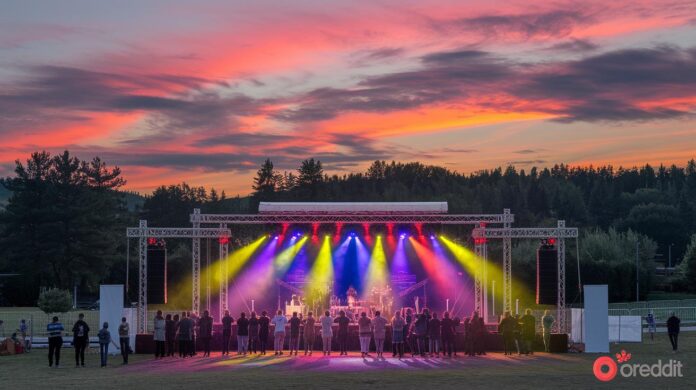

Ever wondered if a simple setup could leave you totally amazed? Event production turns creative ideas into mind-blowing shows with smart lighting, clear sound, and neat visuals that grab you right away. It’s not like event management, which is all about keeping track of budgets and guest lists. Instead, production is about creating a vibe that makes every moment shine. Imagine a space that comes alive, where every little detail is set to spark feelings and create memories that stay with you long after the scene fades.
Event Production Sparks Unforgettable Moments
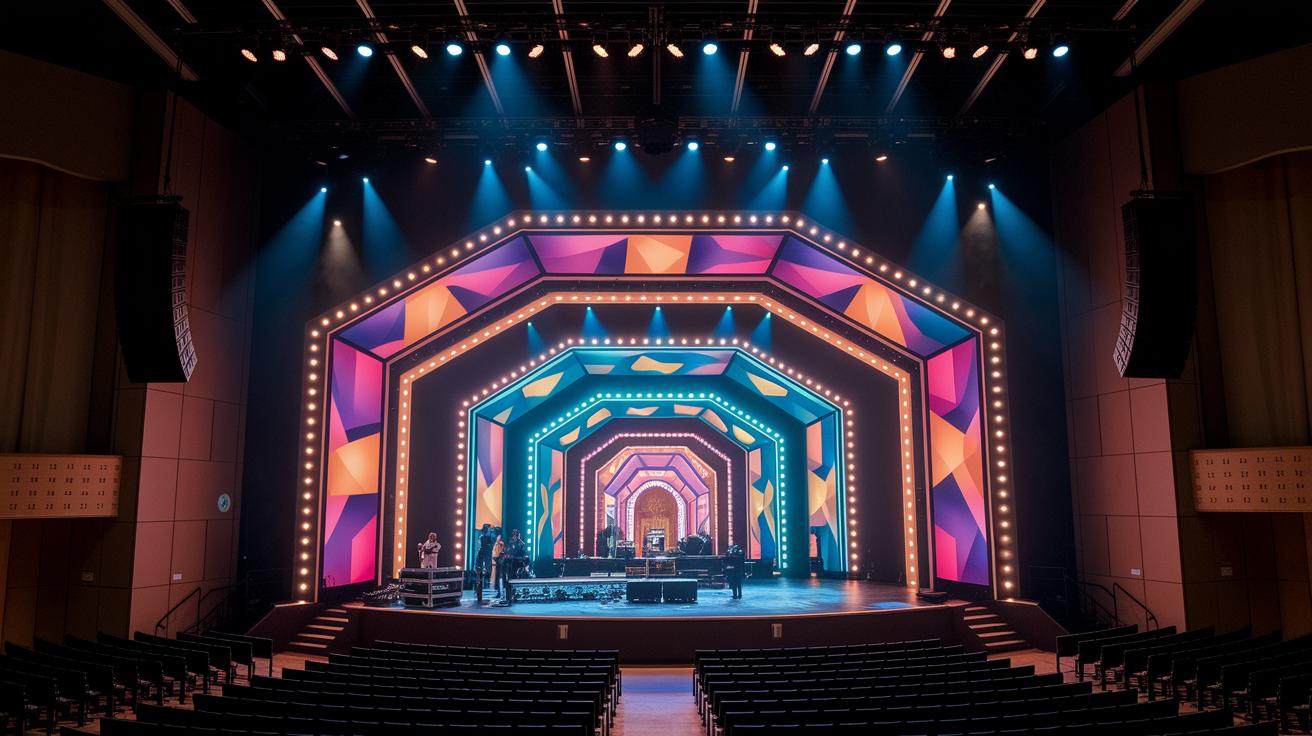
Event production is where creative dreams meet practical action. It’s not the same as event management, which handles budgets, venue choices, and guest lists. Instead, production is all about creating an immersive feel with stage setups, lighting that dances, crisp sound, eye-catching special effects, and cool motion graphics. Ever imagine a show where every light change, sound cue, and effect is picked with care to wow the audience? One famous producer once turned a plain hall into a mind-blowing spectacle using clever lighting and perfectly timed visuals. That’s production turning ideas into unforgettable experiences.
A mixed approach called event production management brings together the careful planning of event management and the vibrant energy of creative production. While one crew secures the venue and keeps the budget in check, another is busy making everything look and feel amazing. From the first sketches to the final technical run-through, every detail is tuned for a magical atmosphere. The creative team crafts dreamy decor, moving visuals, and custom set pieces, while the logistics crew handles schedules, vendors, and the fine details behind the scenes. In the end, it’s an event that nails the practical stuff while also sparking excitement and leaving a lasting impression.
Strategic Planning in Event Production
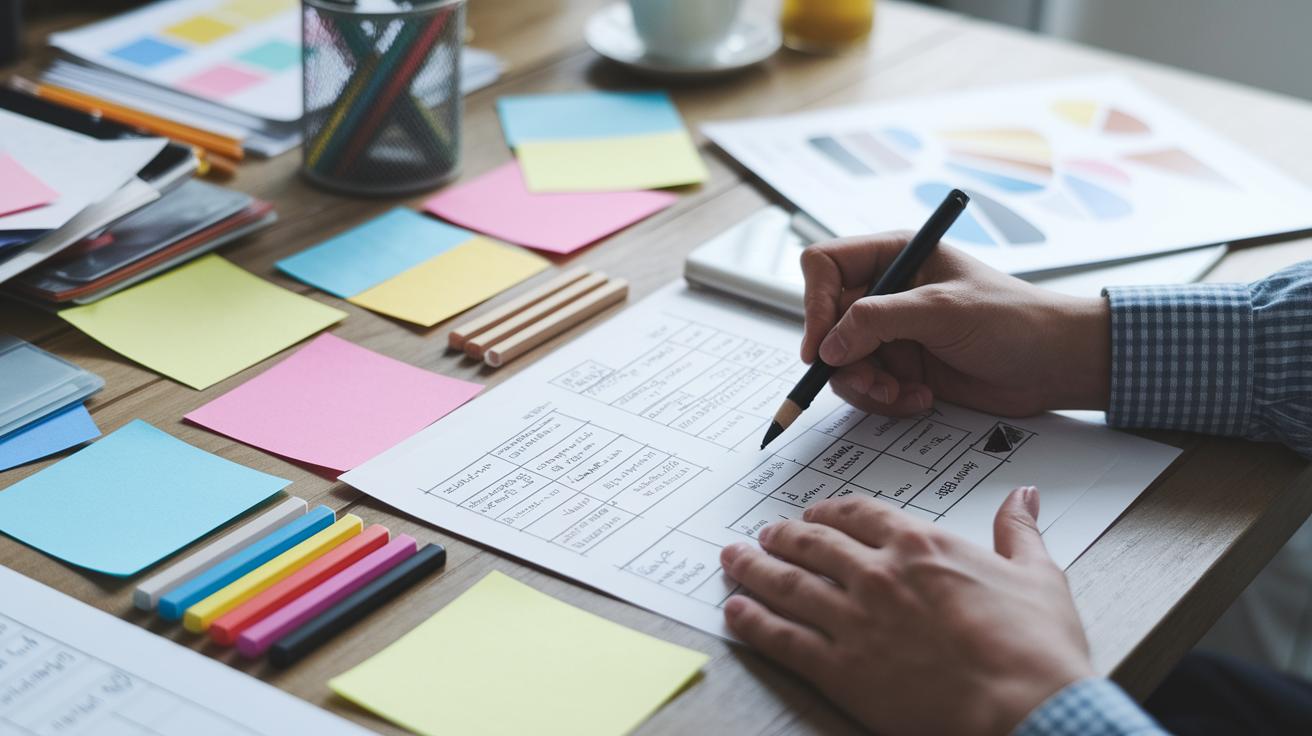
Pre-production is where the magic starts, where big creative dreams meet smart, careful planning. Imagine drawing a detailed map of your perfect show, with every little detail and every supplier lined up just right. It’s the heartbeat of the event, making sure that the cool ideas mix perfectly with smooth, on-time logistics. Setting clear goals and a solid timeline helps turn those wild ideas into a show that stays on budget.
When you sit down to plan, you focus on what you really want to achieve. Whether it’s sparking excitement at a corporate meeting or lighting up a fun incentive trip, every event has its own vibe. Picture laying out a venue like you would design a mini town, each spot marked for a performance, a chill-out area, or a place to catch up with friends. It’s a mix of creativity and practicality, from negotiating smart deals with vendors to nailing down plans for lights, sound, and unique set pieces.
A big part of making it all work is teaming up with sponsors. Think of it like mixing the perfect song where every beat adds a special flavor to the event. Before showtime, the planning works through these steps:
- Define event goals and KPIs
- Draft a detailed budget and approval workflow
- Source and secure a venue using layout tools
- Negotiate contracts with vendors and suppliers
- Develop sponsorship packages and agreements
- Create a milestone-based scheduling plan
- Finalize speaker and entertainment line-up
Each step builds a solid foundation for an unforgettable experience, turning behind-the-scenes tasks into the secret sauce of a spectacular live show.
Technical Execution in Event Production
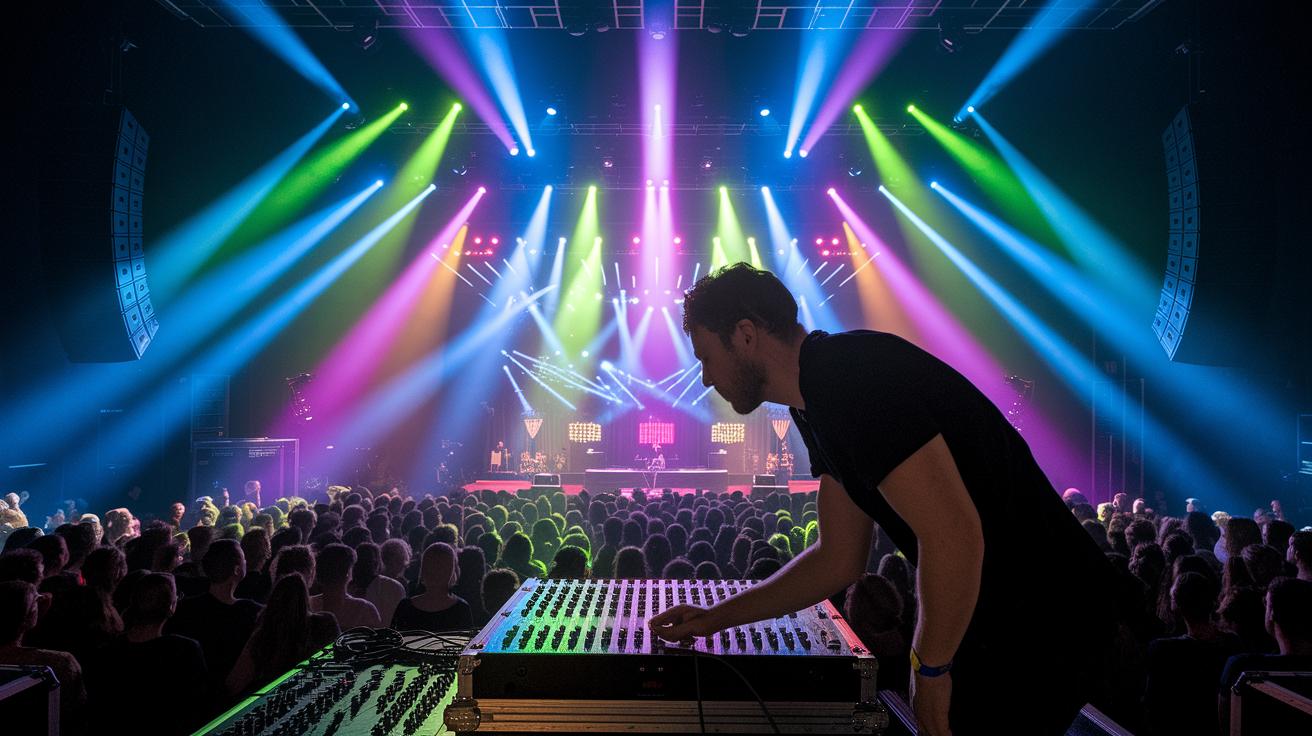
Technical execution is the pulse of every live show. It brings brilliant creative ideas alive by tying together virtual sets, broadcast design, live action, special effects, 3D visuals, and sound design into one unforgettable experience. Picture the shimmer of perfectly timed lights and the smooth roll of beats that pull you into the moment. One moment, a sudden light shift sends a ripple of awe through the crowd, just like that!
On-site rehearsals are the behind-the-scenes heroes. They give the AV crew the chance to fine-tune every piece of the puzzle so that lighting, sound, and visuals all hit the right note. I remember a show where a quick run-through caught a sneaky glitch, turning what could have been a hiccup into a seamless transition. It’s proof that practice can really make magic happen.
Hybrid events now call for tech that truly connects everyone, whether you're watching in the room or at home. Chat, Q&A, and polling features help keep every viewer in the loop and feeling the vibe. And when every tech specialist knows just what to do, the whole event comes together beautifully. One remote viewer even said, "I felt the energy as if I were in the front row!"
| Technology Element | Primary Purpose |
|---|---|
| Lighting Systems | Set mood and visibility |
| Sound Design | Clarity and immersion |
| Projection Mapping | Dynamic visuals |
| Special Effects | Audience impact |
| Live Streaming | Remote engagement |
Creative Design and Immersive Experiences in Event Production
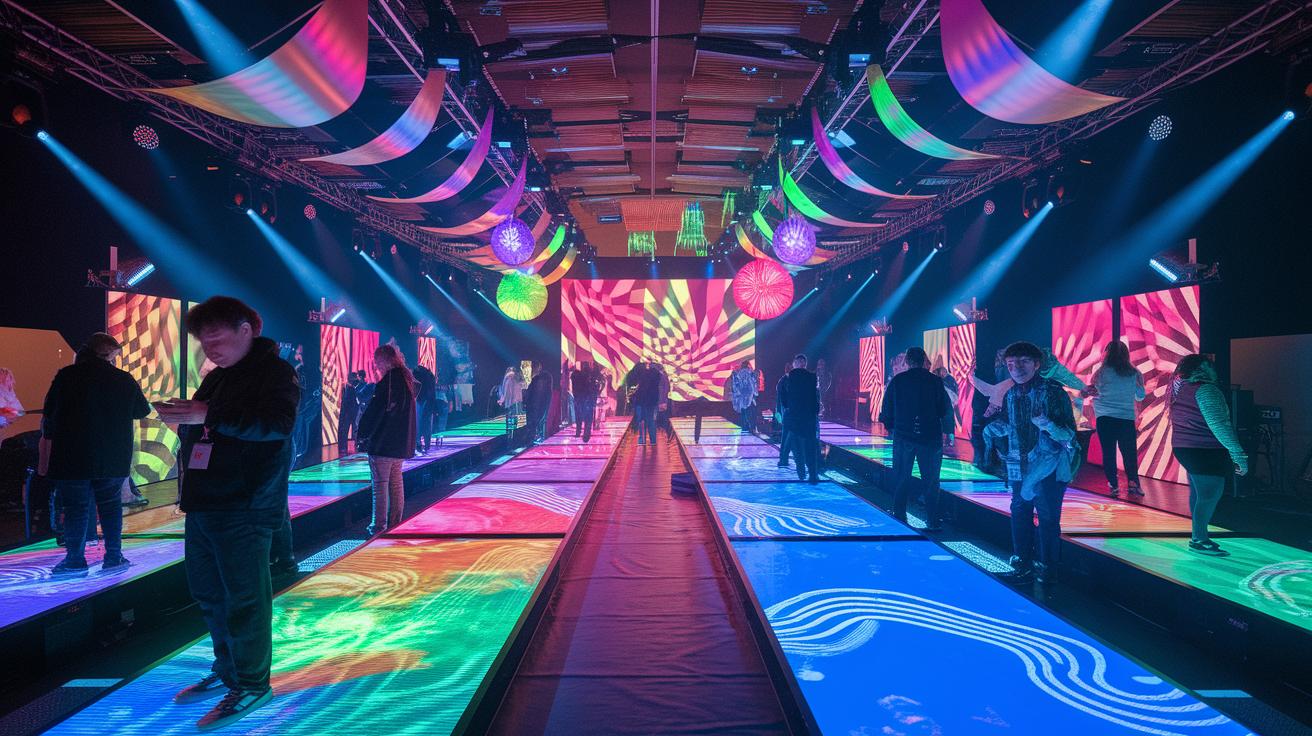
When creative design steps into an event, it turns a plain space into a lively stage where every spot tells part of a bigger story. Designers mix real storytelling with custom prints (think handmade posters) and innovative builds to craft setups that go well beyond simple decoration. Their themed decor not only fits the event’s mood but also invites you to explore and interact with the space.
Imagine a stage that shifts right before your eyes with cool tech like virtual and augmented reality, pulling you right into the center of the brand’s tale. Picture walking into a room where digital layers blend with real-life details, revealing secret parts of the story as you go. Ever been surprised by an unexpected twist? A creative mind once refreshed an entire exhibit by projecting digital art onto classic backdrops, sparking moments that everyone couldn’t help but share.
Then there are those elements that stick with you long after the event is over. Interactive art pieces, custom-made decor, and clever lighting all work together like a live concert, reacting to your touch and the room’s vibe. Each detail, from gentle light projections that shift with the mood to textures that invite you to feel, keeps the event's heart beating. By blending physical staging with digital magic, creative teams turn any event into a sensory adventure that pulls you deeply into its story.
On-site Logistics and Production Management
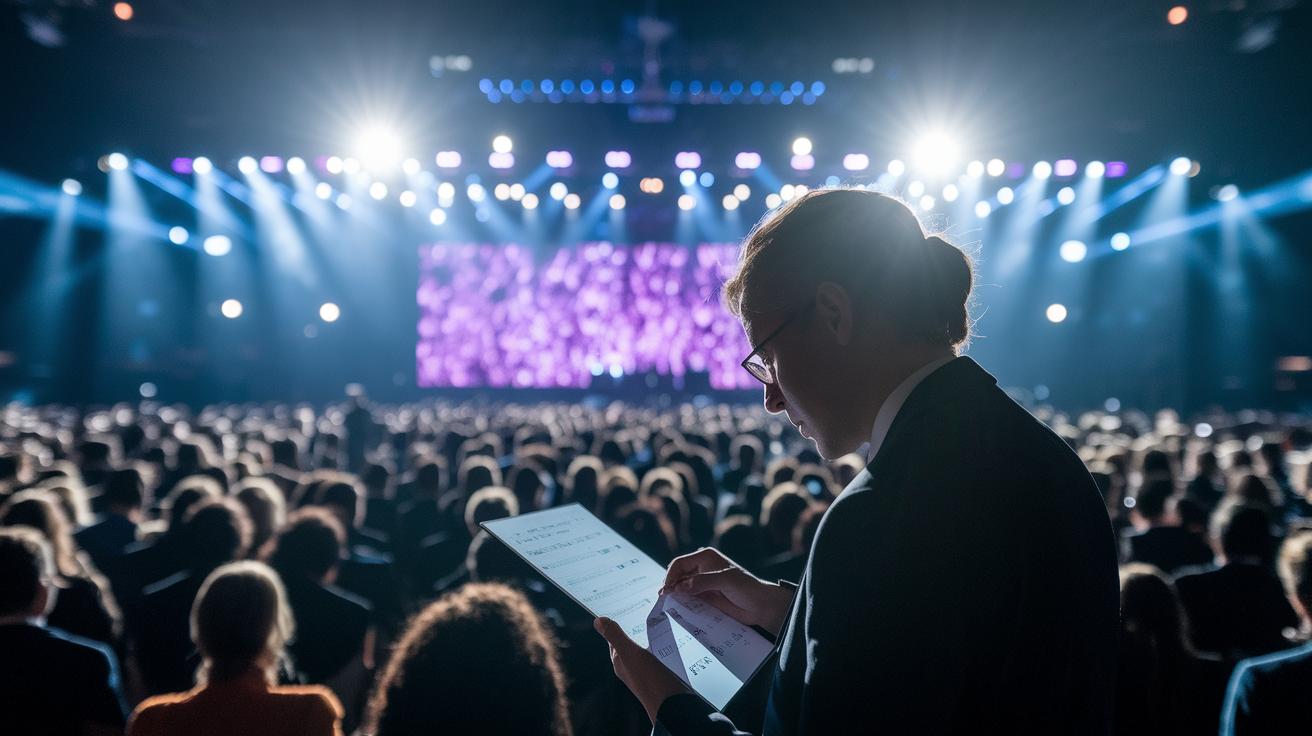
When the big day arrives, every second feels electric. The crew checks how people move so there are no snags and transitions flow as smoothly as a well-rehearsed dance. Coordinators also set up simple emergency steps, so if something unexpected pops up, everyone knows exactly what to do, no fuss, no delay.
Safety is always in the spotlight. Detailed checklists guide each moment from the very first cue to when the lights dim after the last performance. Behind the scenes, teams pass off duties clearly, from prepping tasty snacks to syncing sounds just right, making sure no detail, big or small, gets missed.
As the event unfolds, organizers keep a sharp eye on the crowd, ready to tweak plans in a flash. Teams hustle to check every corner of the venue and send quick updates if plans need a change. Even when surprises pop up, a solid plan and safety steps mean the show rolls on seamlessly, leaving everyone both wowed and safe.
Hybrid and Virtual Event Production Techniques
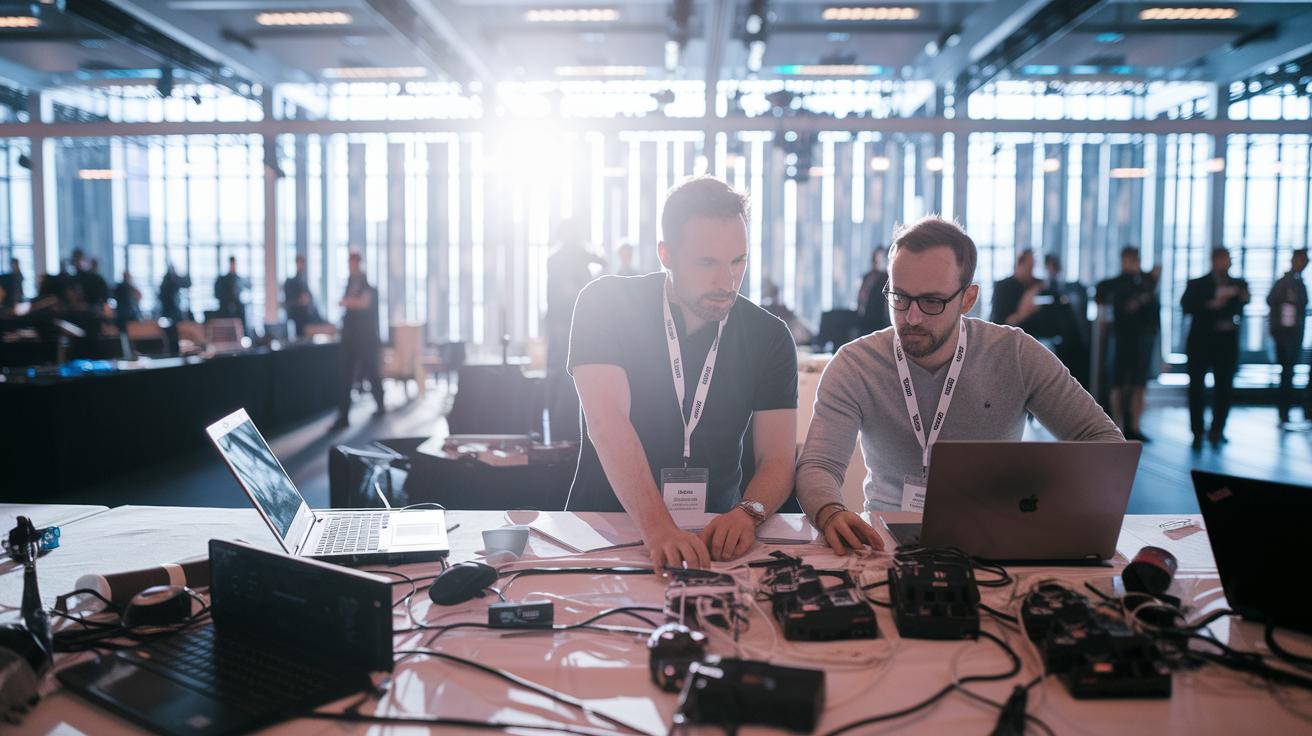
Putting together a hybrid event is all about flawless tech that brings both live and online viewers together. Think of it as a band tuning up before the big gig, cloud-based tools work behind the scenes so everyone sees clear visuals and hears crisp sound in perfect sync. This smart digital setup even lets teams notice the vibe in real time and tweak the performance on the fly.
Producers don't just rely on plain tech, they mix interactive features like chat, Q&A, and polling with tight control over audio and lighting. This approach makes sure the energy is the same whether you're sitting in the venue or watching from your couch.
Producers can boost the event setup by:
- Choosing platforms that already have interactive tools built in.
- Running thorough tech rehearsals to nail clear audio and video.
- Using cloud-based coordination tools that update in real time.
- Setting up digital workflows that catch live feedback and help adjust on the spot.
Budget Optimization and Production Technology Tools
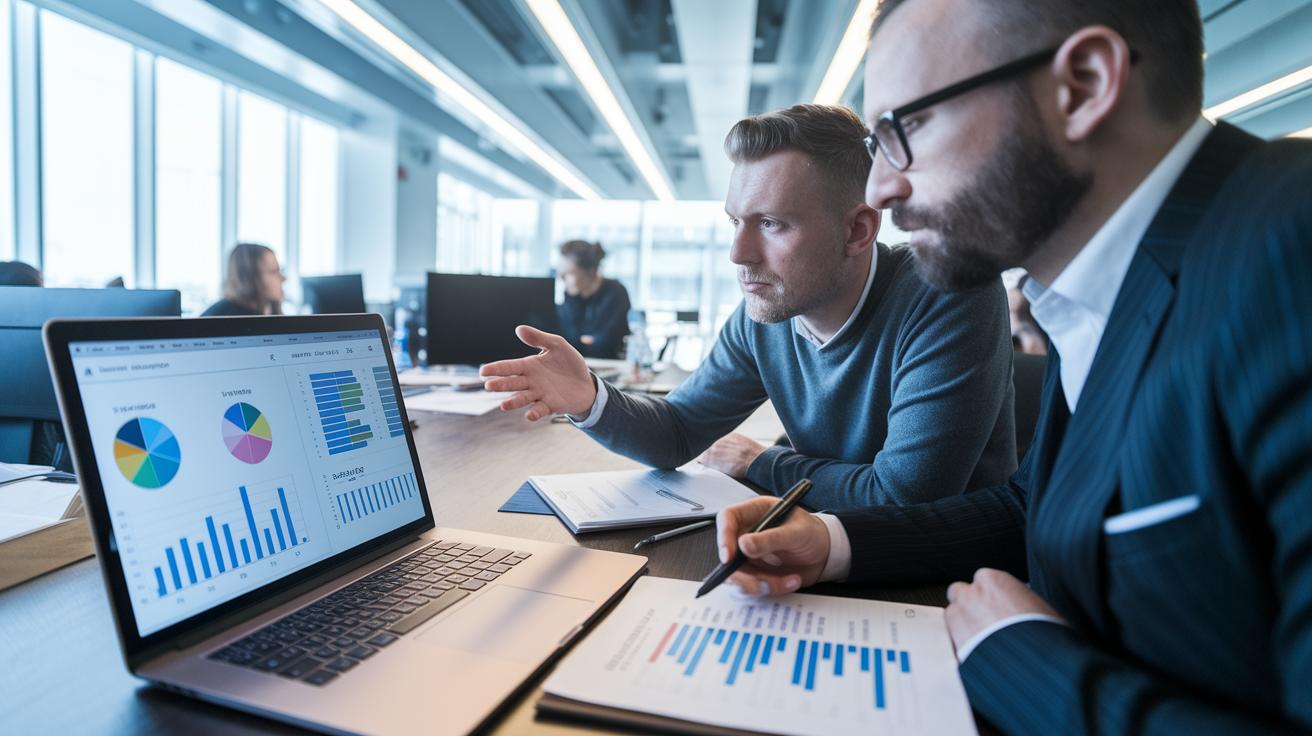
Keeping event costs tight is just as important as making the show unforgettable. Producers use smart budgeting tools to watch every dollar while still letting creativity shine. For example, Cvent Essentials helps with approvals so that every cent is tracked across multiple events. It’s like having a detailed shopping list that tells you exactly where your money goes.
When it comes to gear and stage setups, asset tracking tools are a huge help. They work in real time, making sure nothing goes missing during setup or tear down. Imagine a digital log that updates instantly, providing peace of mind during those hectic moments.
Cloud scheduling tools are another key player. They give teams a live view of project timelines and resource availability. These tools keep everyone in the loop by automatically updating when assets arrive or when setup milestones are met. And if an unexpected cost shows up, an integrated dashboard lets you quickly adjust, just like fine-tuning a groove during a live set.
All these tools help producers balance budgets while keeping the creative flow smooth. It’s a system that not only brings out the best in every event but also runs as smoothly as your favorite playlist on a great day.
Case Studies and Emerging Trends in Event Production
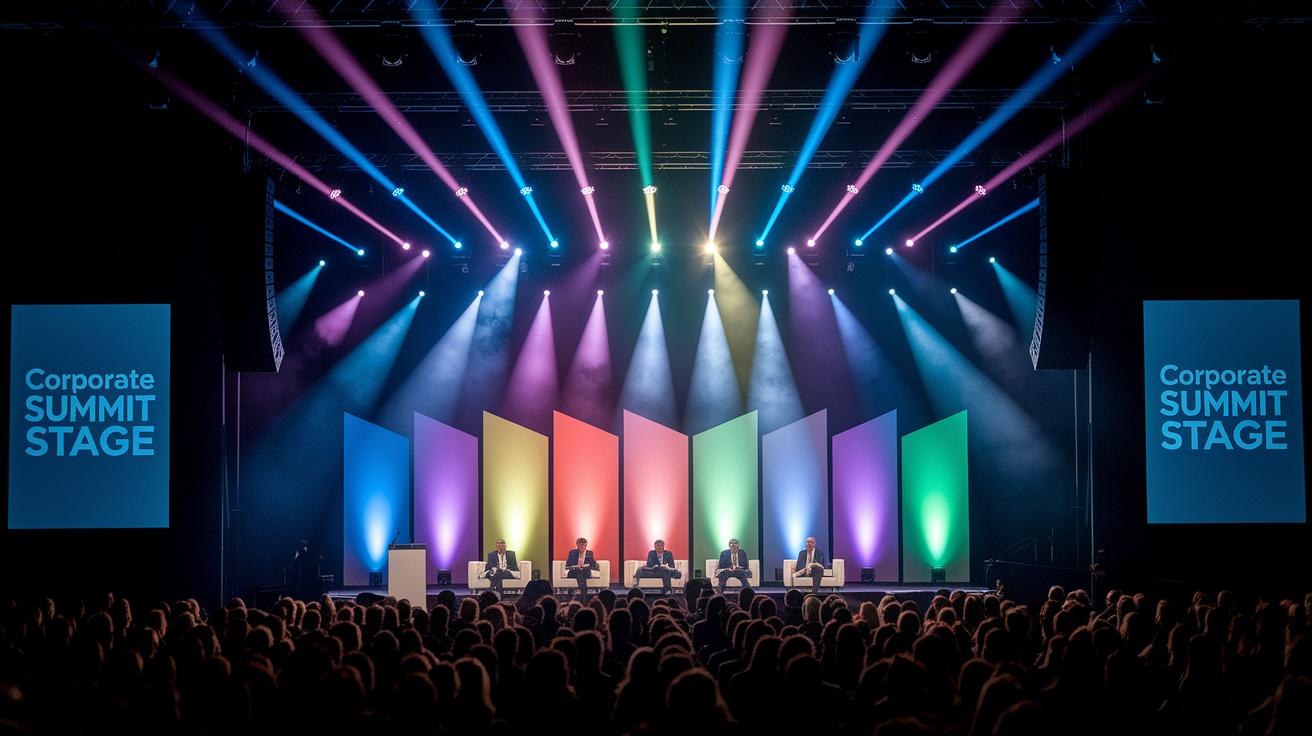
Back in January 2025, a major corporate summit lit up the scene with unforgettable moments. Over 5,000 team members teamed up to blend creative vision with sharp technical skills. A seasoned expert, rocking 11 years of experience, led the charge, making sure every scene change and technical beat hit just right for the crowd. Fun fact: when a small glitch popped up, the quick-thinking crew flipped the mishap into a dazzling light and sound show that left everyone cheering.
Research on meeting management, group travel numbers, and return-on-experience stats tells us people now crave events that pull them into the action. Today’s audiences want lively, interactive experiences that mix real-time engagement with cool tech features.
Looking ahead, event pros are breaking new ground by adding real-time analytics, interactive displays, and digital feedback tools. Global trends show these innovations aren’t just passing fads, they’re here to stay. Event producers today aren’t just meeting current expectations; they’re paving the way for tomorrow’s mind-blowing experiences.
Final Words
In the action, event production brings creative design and smart planning together. We've seen how strategic pre-production, crisp technical execution, immersive aesthetics, on-site coordination, and hybrid techniques combine into a show that truly excites. Each step, from budgeting and vendor contracting to live rehearsals and digital staging, plays its part in creating unforgettable experiences. This glimpse into event production highlights not only the hard work behind every spectacle but also the thrill that comes with watching art and technology collide. Keep enjoying every moment of the live magic ahead.
FAQ
What is event production?
The event production means balancing creative vision with technical efforts like lighting and sound. It creates immersive live shows by focusing on stage design, special effects, and technical execution to wow audiences.
What is an event production job?
An event production job involves planning, coordinating, and executing creative and technical elements at live events. It covers tasks like AV setup, stage design, and on-site coordination to bring a show to life.
What is the job description of an event production company?
An event production company manages both creative and technical aspects of a show. It organizes checklists, coordinates teams, and oversees stage, lighting, and sound elements to ensure a smooth, engaging event.
What are event production roles?
Event production roles include specialists such as sound technicians, lighting designers, and stage coordinators. Each team member contributes to a seamless experience by managing creative visuals and technical details during a live event.
What are event production examples?
Event production examples include corporate summits, live shows, and hybrid experiences. These instances showcase immersive staging, innovative lighting setups, and integrated audio-visual elements that create captivating live environments.
What is an event production checklist?
An event production checklist is a detailed list covering tasks like budgeting, venue setup, vendor contracts, and technical rehearsals. It helps teams track every element to ensure a seamless and engaging live event.
What is an event production company?
An event production company is a team that handles both creative design and technical execution for events. They coordinate logistics, stage setups, and audiovisual details to create impactful, memorable live experiences.
Where can I find event production near me?
Finding event production near you means searching for local companies skilled in creative show design and technical coordination. These professionals offer services like staging, sound, and lighting to enhance your event.
What is the difference between event management and event production?
The difference is that event management focuses on budgeting, guest logistics, and venue selections, while event production zeroes in on creative staging, lighting, sound, and technical elements that engage audiences.