

Ever wondered if your event proposal could rock like your favorite blockbuster scene? Imagine a plan that tells a simple, clear story, sets out easy-to-follow goals, and brings everyone together around one exciting vision.
In this guide, we break down how to build a proposal that lists your objectives and maps out every key detail like a well-told story. A smart proposal doesn’t just describe what you’re planning, it sparks conversation, lights up room energy, and makes your event feel unforgettable.
Ready to turn your plan into a pitch that grabs attention and doesn’t let go? Let’s dive in and make your proposal something people can’t help but talk about.
Key Components of an Effective Event Proposal

An event planning proposal is like a dynamic pitch that lays out your event’s goals, story, and promise. Think of it as a movie trailer that gives a sneak peek of the magic to come. Kick off with an overview that feels as exciting as a blockbuster trailer, name your event with style, highlight big keynote talks, network sessions, and your grand goal of boosting brand exposure.
Every great proposal has some key parts. Try structuring your document with these elements:
- Executive Summary & Objectives: Start with a clear statement of your event's purpose and the impact you expect.
- Audience & Venue Details: Describe who your crowd is and why the venue is perfect for them.
- Budget & Financial Plan: Lay out all expense categories in a straightforward, easy-to-read way.
- Timeline & Logistics: Map out the major steps and operational details in a clear timeline.
- Marketing Strategy & Risk Management: Explain how you’ll create buzz while also planning for any bumps along the way.
- Next Steps: End with a clear call to action so everyone knows what comes next.
This format acts as a blueprint, linking client goals, like a boost in media presence, to measurable outcomes such as social media chatter and attendee feedback. When each section is clear and full of purpose, your proposal turns into an inviting plan that perfectly balances creative vision with practical details, setting the stage for a truly memorable event.
event proposal: Elevate Your Impact

Let's craft an event proposal that not only follows our tried-and-true blueprint but also sparkles with fresh creative insights. Start by setting the scene with an Overview, a short, punchy statement that grabs attention. Imagine saying, "Picture an event that electrifies crowds and sparks endless chatter; it’s like an impromptu flash performance that surprises and delights."
Next, lay out your Objectives. Be clear about what you want to achieve, whether it’s ramping up brand recognition or lighting up social media with buzz. Think of it as setting the stage for measurable success.
Then, pin down your Target Audience. Describe who will be at your event by noting their interests, age range, and even their jobs. This helps you tailor every detail so it feels personal and on point.
For Venue Selection, don’t just think about a cool layout or tech features. Consider a location that adds to the event’s vibe and heightens the overall mood.
Now, dive into your Creative Concept. This is where you let your imagination run free. Picture it as designing a live art show, where every piece, from the backdrop to live interactions, drips with innovative spirit.
Lay out a Budget Outline by breaking down costs into clear, itemized segments. This builds trust and keeps everything transparent.
Set a Timeline with key milestones from the kickoff to the final wrap-up, ensuring every step flows smoothly into the next.
Explain your Marketing & Risk Plan. This should detail how you’ll stir up excitement along with a backup plan to keep potential hiccups in check.
Finally, wrap it all up with a strong Call to Action, an invitation that motivates everyone involved to take the next step.
Each of these sections not only reinforces the basics we shared before, but also pushes you to sprinkle creative details throughout your proposal, making it unique, engaging, and unmistakably human.
Event Proposal Planning Checklist

Think of this tool as a quick recap that gathers all the important bits we've talked about. Use each point as a friendly reminder to check that your proposal has the key elements, along with some handy pointers:
- Objectives: Set clear, measurable goals (like "Grow brand buzz by connecting with a specific group") to steer your creative and strategic plans.
- Audience: Know exactly who you're talking to by figuring out details like age, job, and interests so your message lands with the right people.
- Logistics: Confirm the event dates, pick a venue that fits the vibe, and lock in top vendors, from food and décor to sound and extra support.
- Budget: Lay out a detailed money plan with cost estimates, deposit due dates, and key payment moments to keep everything on track.
- Timeline: Map out every step from the first spark to the marketing push, and build in risk checks to catch any bumps early.
| Component | Action Tip |
|---|---|
| Objectives | Set a simple, measurable goal like “Grow brand buzz by connecting with a specific group.” |
| Audience | Figure out clear details like age, job, and interests to match your vision. |
| Logistics | Lock in your dates, choose a spot that fits the mood, and secure the key vendors. |
| Budget | Prepare a clear plan with cost estimates, deposit dates, and key payment times. |
| Timeline | Break planning into steps from kickoff to marketing launch, with checkpoints to catch issues early. |
Budget Blueprint and Timeline Creation in Event Proposals

Imagine your budget as a roadmap that shows exactly where every dollar goes. It lays out expenses like renting a cool venue, ordering tasty food, booking live acts, setting up eye-catching décor, and even saving a little extra for surprises. Make sure you include deposit details, milestone payments, and clear due dates so everyone stays on track.
| Expense Category | Description | Estimated Cost |
|---|---|---|
| Venue Rental | Cost for the event space and utilities | $5,000 |
| Catering | Food and beverage services | $3,000 |
| Entertainment | Live acts and special performances | $2,500 |
| Décor | Visual themes and setups | $1,500 |
| Contingency Fund | Reserve for unforeseen expenses | $1,000 |
Next, sketch out your timeline like the steps to a great adventure. Begin with the planning kickoff, secure vendor bookings, launch your marketing campaign, do a final walkthrough, and finally, enjoy the day of your event. This clear structure not only builds trust through financial transparency but also sets the stage for an unforgettable event.
Venue Utilization and Logistics Planning in Your Event Proposal
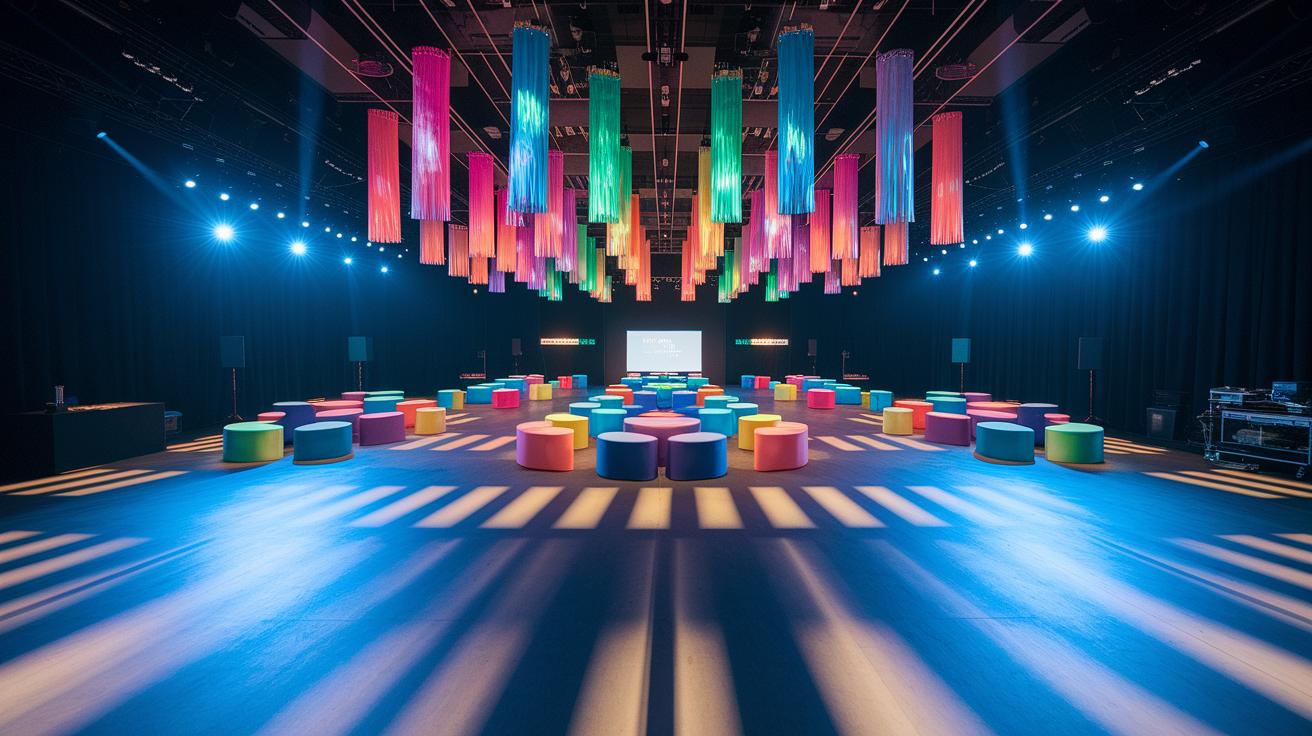
When you craft your proposal, start by shining a light on what makes the venue special. Talk about how it can easily host a bustling crowd, offers different layout options to match any vibe, and boasts modern tech that makes every detail pop. Describe the space as one that welcomes everyone with open arms and sets the perfect mood for a memorable event. Imagine saying, "This venue welcomes 500 guests with a flexible space that works equally well for cozy chats or big presentations."
Next, break down the logistics with the same friendly clarity. Lay out your plans for renting equipment, staff schedules, and the smooth flow of setting up and clearing out. Explain how every step, from the arrival of supplies to the final clean-up, is planned to keep things running like clockwork. Consider a note like, "Get your team ready for a smooth ride; think of it as the magic behind a perfectly choreographed show."
Then, be sure to cover risk management. Share your backup plans for surprise rainstorms, tech hiccups, or any health and safety bumps along the way. These details not only ease your client’s worries but also highlight how ready you are to handle any twist that comes your way.
Customizing Your Event Proposal with Sample Documents
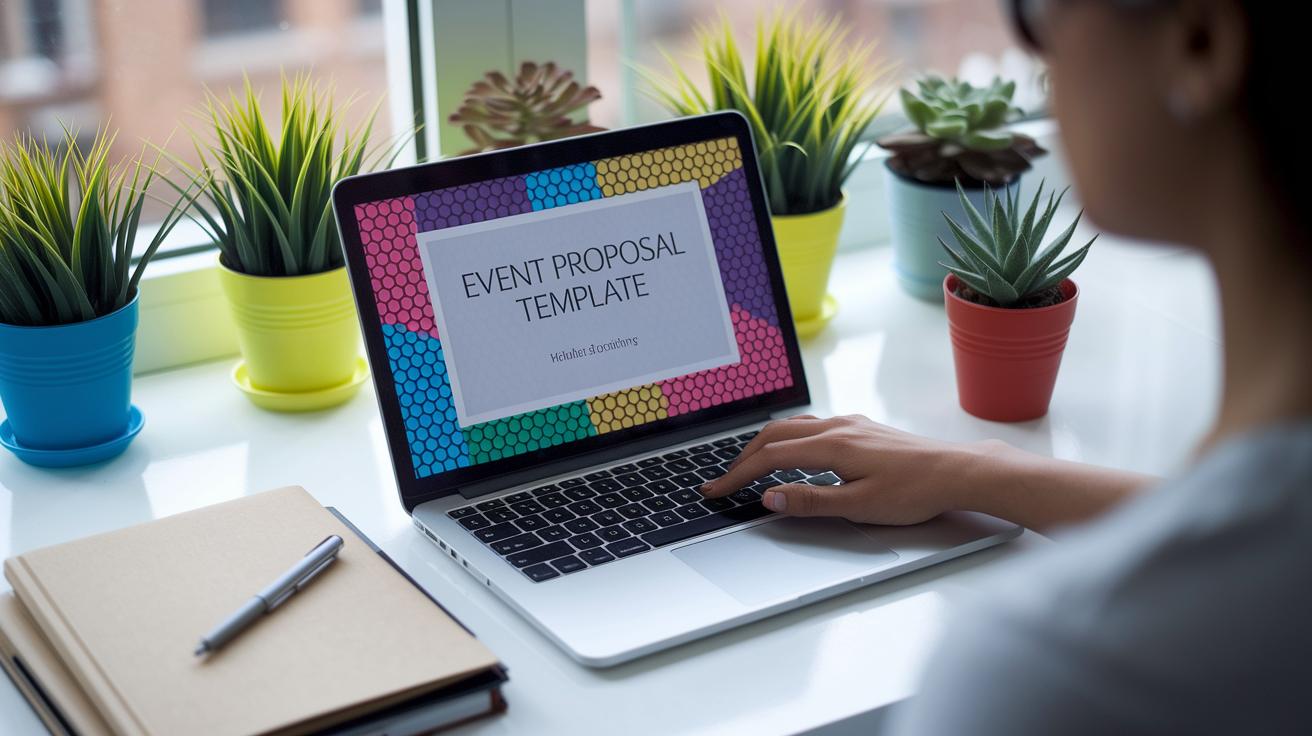
Using ready-to-go proposal templates can seriously cut down the time you spend building your event plan. Imagine opening a document where everything is already set up, summary sections, budgets, schedules, and even cool previews with clickable tabs that give your digital proposal a fresh, vibrant feel. One template might even start with a friendly call like “Step into a world of organized creativity,” instantly inviting you to build your event’s story.
Then there are the static PDF samples. They offer a sleek look with steady branding, clear section headers, and professional fonts that keep everything neat. These models work great whether you’re organizing a corporate meeting or throwing a live music night. And you can easily swap images, update text, and tweak layouts to fit your event perfectly.
By using these samples, you can focus on tailoring your story to what your client wants instead of wasting time starting from scratch. In short, these documents make your proposal process smoother and help you create a pitch that’s both eye-catching and spot-on. They let you deliver a proposal that feels uniquely personal and totally in tune with your client’s vibe.
Engaging Stakeholders and Sponsorship Pitch Guide in Event Proposals
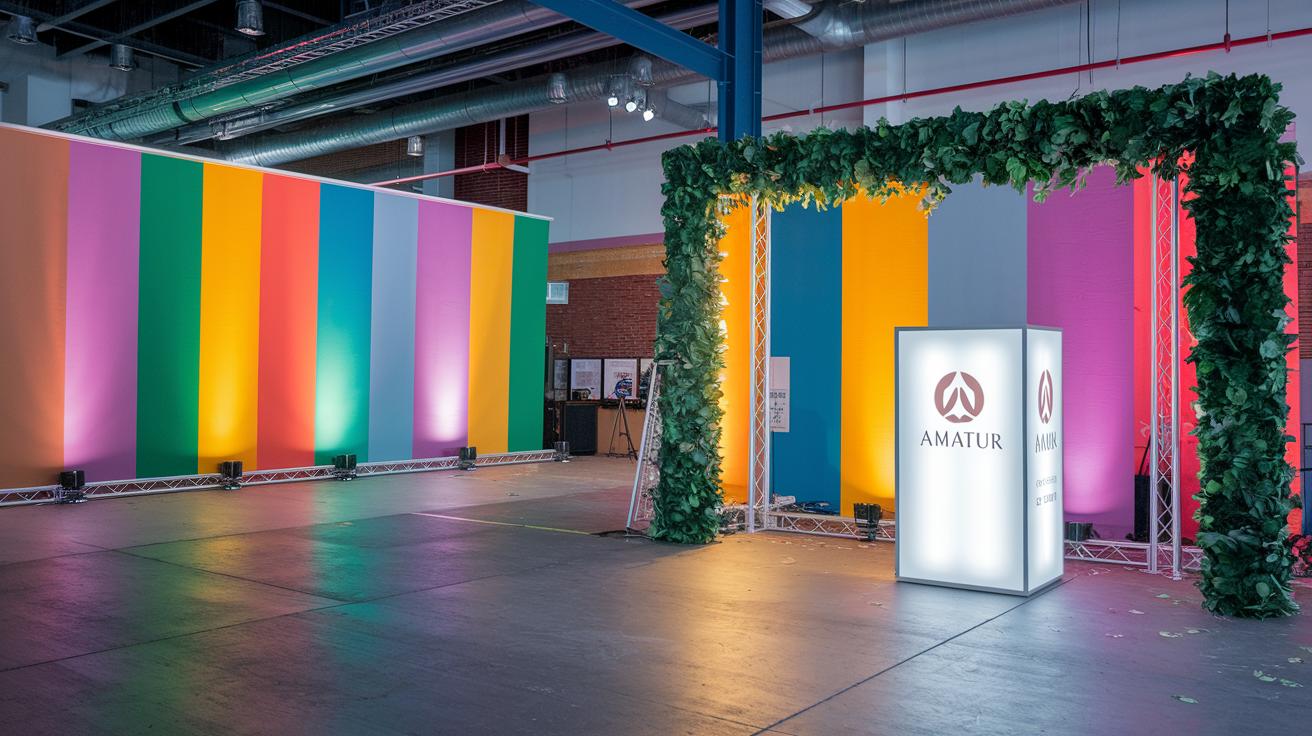
Start your stakeholder section by showing potential sponsors that your event is the perfect match for their goals. Let them see how a focused audience and hands-on activations can light up their brand and bring real results. Picture a package that not only puts their logo on busy banners but also sparks social media chatter, like a burst of energy that leaves everyone talking.
Next, tie the sponsor’s dreams to real audience details like age, interests, or job background. This builds trust by showing how the buzz in the media and online can turn into solid wins. One cool idea is to design a custom package with special moments such as a branded photo booth or an interactive zone. These little touches make your proposal feel personal and lively, proving you really understand what they need.
Then, share your backup plans to build even more confidence. Explain how you’re ready for surprises, whether it’s a quick weather change or a tech hiccup, with clear ways to handle each twist. You might even say, "We're ready for any twist, even when unexpected things pop up." And if you want to cover all bases for diverse sponsor groups, consider linking to resources on Cultural Sensitivity to show you’re thoughtful and inclusive.
Design Trends and Visual Presentation for Event Proposals

Imagine your proposal jumping to life with clear visuals and interactive touches. Use pictures and simple charts that capture the spirit of your event, kind of like turning a list of numbers into a bright, easy-to-read map. Picture a timeline that lights up at each key moment, almost like magic icons guiding the way through your budget and schedule details.
Next, mix in branding elements like logos, custom colors, and fonts that match your client's style. This small burst of personality not only gives your work a consistent look but also sets a friendly, professional tone. How cool would it be to add a short video or a slide show that feels like flipping through a fun storybook? These features transform your proposal into a mini performance that grabs attention right from the start.
Keep it simple and clean with big, clear headers, plenty of white space, and easy-to-read text. Start with a clear title like "Elevate Your Impact" to instantly draw the reader in, making the entire proposal feel like a smooth ride from start to finish.
Final Words
In the action of curating an event proposal, the post broke down key steps to create a winning pitch. It explored how outlining objectives, planning logistics, and setting up budgets and timelines can transform a basic plan into an inspiring guide. Ideas and templates were shared to spark creativity and keep every detail on point. This approach makes the process as exciting as the live performance itself. Embrace the challenge, stay true to your creative spark, and watch your event proposal come to life.
FAQ
Q: What are some common event proposal templates and samples available?
A: Event proposal templates come in various forms like sample PDFs, Word documents, free layouts, and formatted letters—all designed to clearly showcase your event’s key details like objectives, venue, budget, and timeline.
Q: How do you write an event proposal?
A: Writing an event proposal means structuring a clear plan that outlines your event’s objective, target audience, budget, and logistics in a way that persuades clients or stakeholders to back your event.
Q: What are the 7 stages of event planning?
A: The 7 stages in event planning refer to steps that include setting objectives, developing concepts, organizing logistics, budgeting, promoting the event, managing operations, and reviewing the event after completion.
Q: What is the main purpose of an event proposal?
A: The main purpose of an event proposal is to present a clear, detailed plan that communicates the goals, structure, and financial aspects of your event to secure the support of clients or sponsors.
Q: What do the 5 P’s of event planning represent?
A: The 5 P’s cover essential planning elements: Product (the event concept), Price (budget considerations), Place (venue and location), Promotion (marketing tactics), and People (the audience and team).