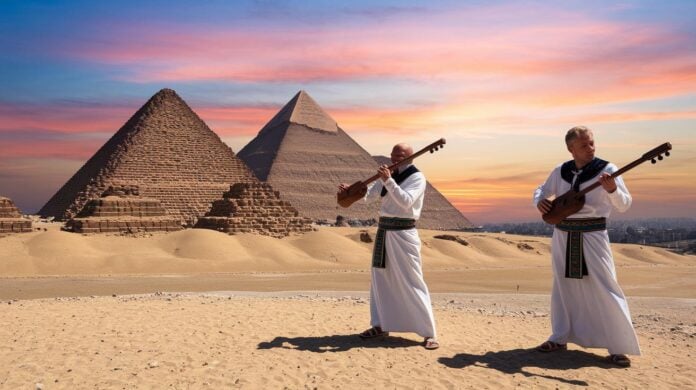

Ever wonder if ancient Egyptian tunes still echo with life? The melodies weren't just sounds, they lit up family gatherings and temple ceremonies alike. Drums, flutes, and voices came together in a lively mix that linked everyday moments to sacred traditions. In this post, we dive into how those sounds built a rich cultural legacy, sparking our curiosity and connecting us to a past bursting with celebration and heartfelt passion.
Historical Foundations of Ancient Egyptian Music
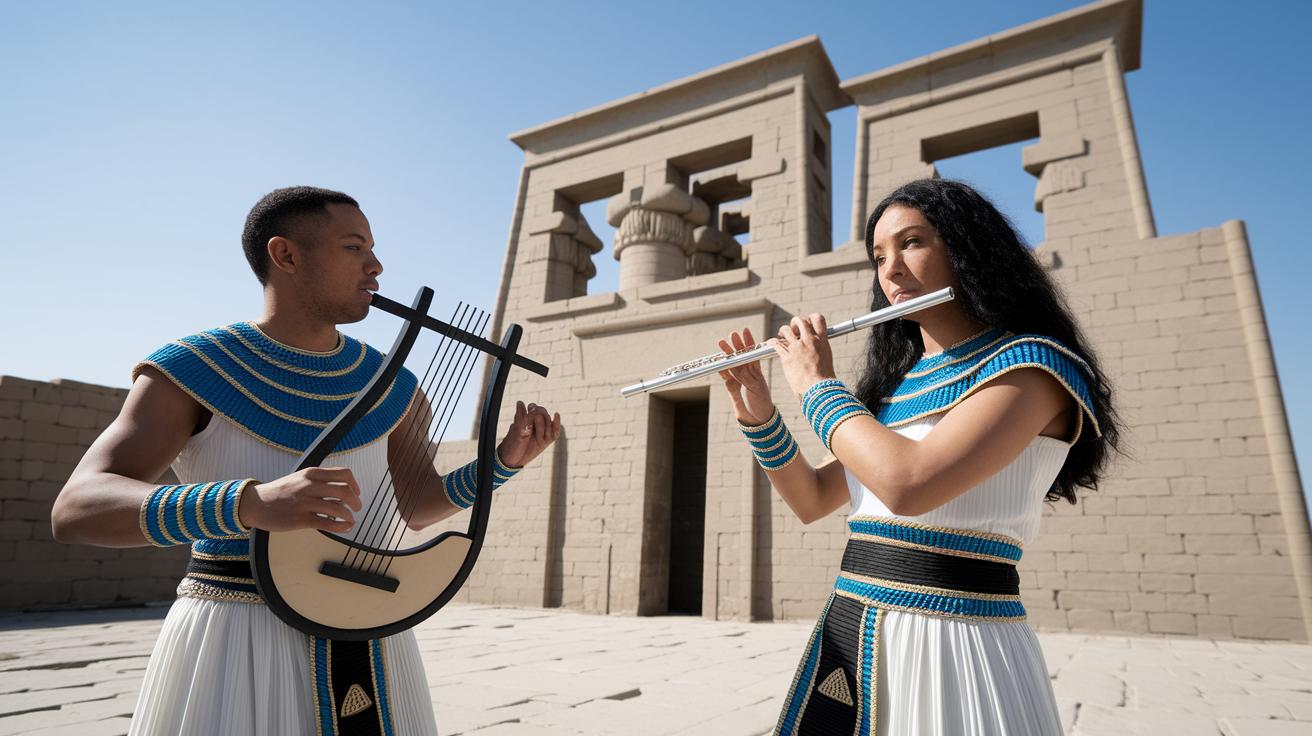
Ancient Egyptian music was always buzzing through everyday life. It filled cozy home gatherings and set the stage for grand temple ceremonies. At home, families and friends would sing, dance, and mark daily moments with joyful tunes.
In temples, soft chants and lively melodies helped honor the gods and guide sacred rituals. These sounds echoed through halls and open spaces, blending deep spiritual vibes with the simple pleasures of every day.
Big state events and public celebrations enjoyed music, too. Festivals, parades, and official ceremonies all featured carefully organized performances that united communities and boosted a sense of pride. Music wasn’t just for fun; it connected folks to the divine and celebrated important cultural moments, a true legacy of Egypt’s rich heritage.
Pro musicians held a very special role in society. Working in well-organized groups, they divided tasks among singers, drummers, and instrumentalists. Together, their performances went beyond background noise to become an expressive art form full of elegance and emotion. It was like a perfectly timed live show that left everyone thinking, “Wow, did you feel that magic?”
Key Instruments in Ancient Egyptian Music

Egyptians were brilliant at inventing musical tools. They took simple, everyday materials and transformed them into instruments that made fascinating sounds and held deep meaning. These tools filled homes and temples alike, connecting lively community celebrations with royal and sacred events. Each piece was like a storyteller, sharing emotions and marking important moments from temple rites to palace gatherings. Crafted with care and artistic vision, these instruments united people and sparked a feeling of togetherness.
| Instrument Type | Example | Function |
|---|---|---|
| Percussion | Rattles | Gives a beat to festive celebrations |
| Percussion | Sistrum | Enlivens sacred ceremonies, especially in worship |
| Wind | Trumpets | Signals important moments during state events |
| Wind | Flutes | Creates soft melodies in ritual settings |
| Plucked Strings | Harps | Adds an enchanting touch to royal and temple events |
| Plucked Strings | Lyres | Offers soothing tunes during celebrations |
The table above shows examples from each kind of instrument, highlighting how different sounds came together to create a lively musical experience at the heart of Egyptian life. The careful work put into these instruments shows a perfect mix of art and practicality. Each tool, from the bold drum beats echoing along the Nile to the soft sounds of reed instruments, was built to last through countless shows. Musicians treated these pieces as a part of themselves, using them to color both grand public ceremonies and intimate gatherings. Listening to their echoes is like hearing a bright whisper from the past, reminding us of the special bond between music and ritual in ancient Egypt.
Court Music and Ensembles in Ancient Egyptian Music
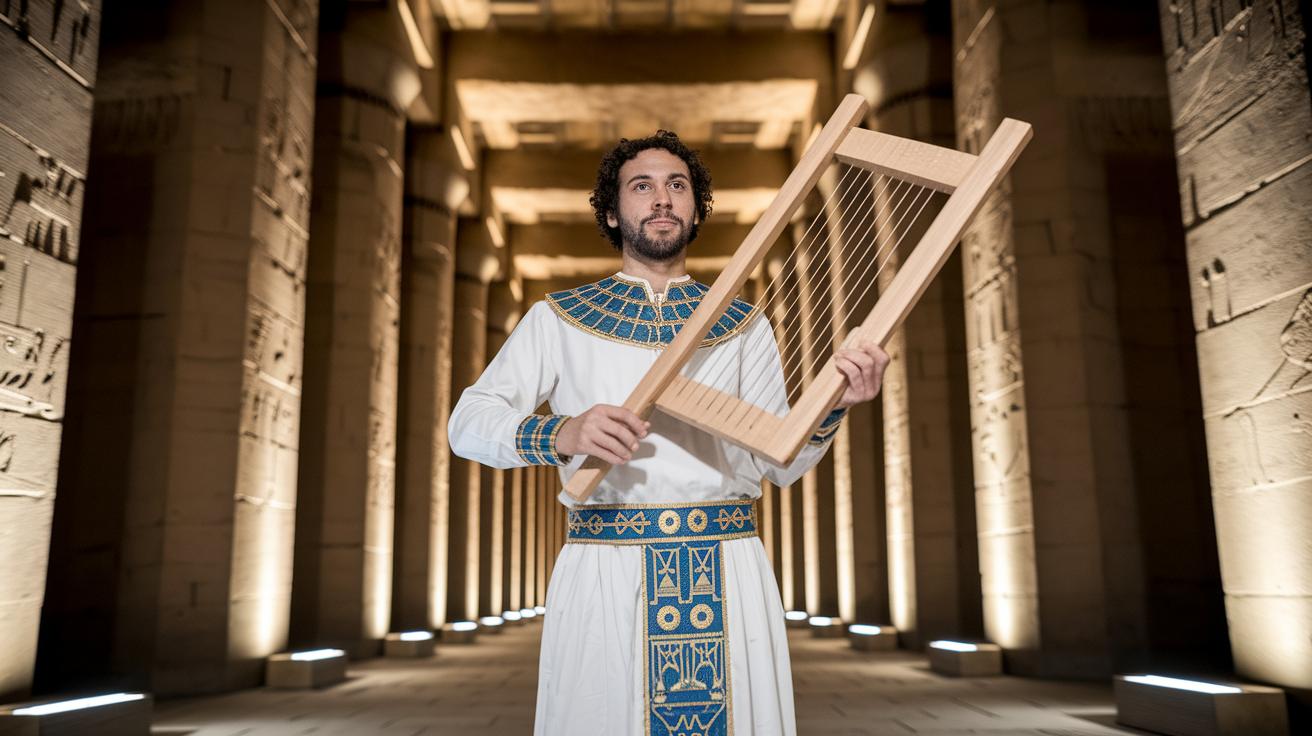
In ancient Egypt, royal ensembles were carefully put together groups that played an important role in palaces and temples. Musicians were picked for their skill and given specific jobs in a well-organized team. Professional singers, flute players, and drummers worked in harmony during festivals and state events, making sure each performance was spot on. One musician once recalled, "I played my part with unwavering dedication, like a key scene in a classic play."
Harpists and lyre players held a special spot in these groups. Their soft strings created a gentle, captivating sound that set the mood for ceremonial events. Imagine the delicate tune of a lyre, like calm water under the moonlight. This soothing music was the magic that charmed both royals and everyday folks alike.
Wind and percussion instruments added a burst of energy to court performances. Trumpets, flutes, and hand-held drums mixed with the warm hum of string instruments to lift every piece of music. Their vibrant beats and clear sounds made every performance powerful and unforgettable.
Ritual and Ceremonial Music Practices in Ancient Egyptian Music
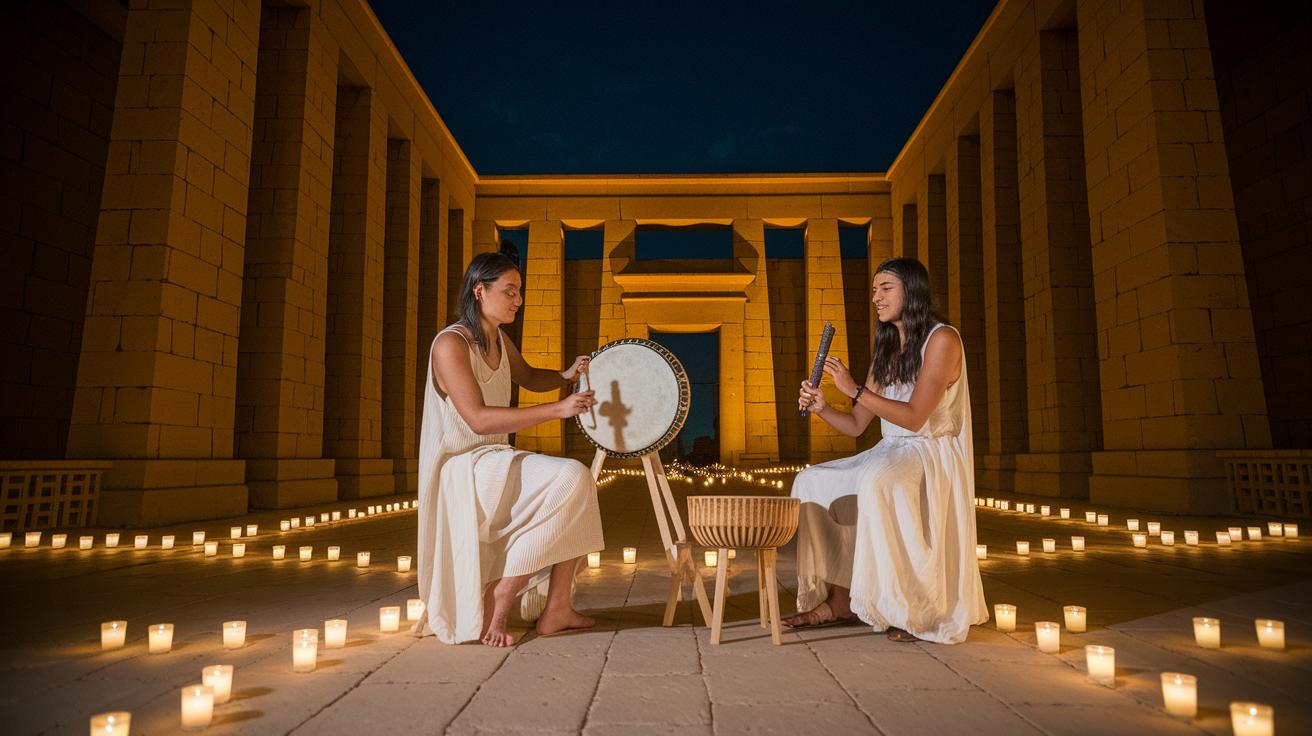
Ancient Egyptian music was the heartbeat of their most cherished celebrations. It filled temple courtyards and sacred halls, creating a special bridge between everyday life and the divine. Imagine the glimmer of stage lights replaced by the soft glow of temple fires, and the buzz of an excited crowd turned into the pulse of a community coming together in reverence.
Funerary rites and temple chants were like the unsung heroes of these events. Drums, flutes, and voices mingled during ancient recitals of the Book of the Dead, guiding souls with a blend of sound that comforted the living and honored those who had gone before. It’s almost as if each ritual was a heartfelt tribute, a moment to pause and reflect on the beauty of life and beyond.
Every instrument had its own story to tell. The sistrum, famous for its unique jingle in the worship of Hathor, brought a sparkle to temple rituals. Drums lay down a steady beat, flutes offered gentle, flowing melodies, and shell whistles chimed in with crisp, high-pitched accents. Here are some of the key ceremonies that lit up ancient Egyptian culture:
- Opet Festival – bursting with lively processions and spirited tunes.
- Sed Festival – marking the pharaoh’s reign with compelling, rhythmic recitals.
- Funerary Processions – blending a mix of somber and uplifting chants.
- New Year Rites – filling the air with hopeful sounds to welcome fresh beginnings.
- Temple Cornerstone Rituals – sanctifying new structures with ceremonial melodies.
These musical traditions did more than fill the air with sound. They wove together the very fabric of belief and community, creating an enduring legacy that echoed long after the last note was played.
Reconstructing Ancient Egyptian Music through Archeomusicology
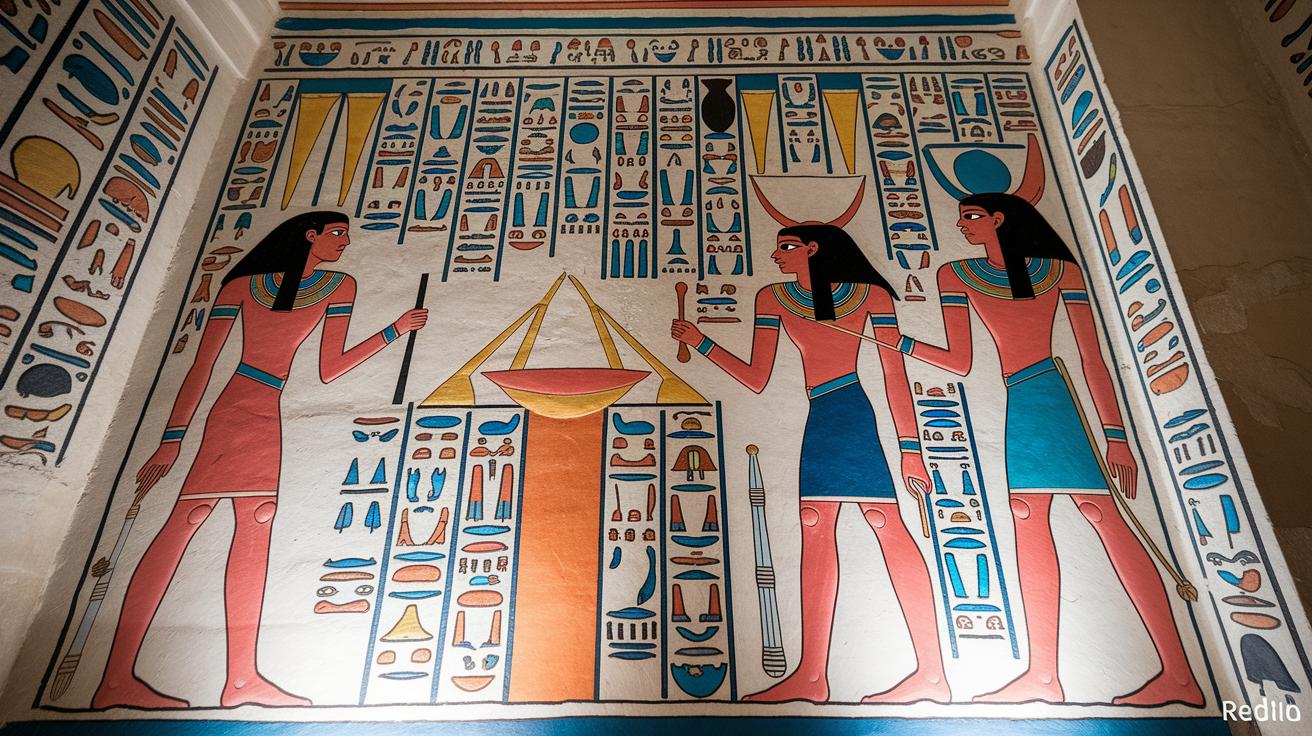
Scholars have dug into hieroglyphics, tomb paintings, and old instruments to uncover clues about ancient melodies and scales. For example, researchers once found hints of steady beats and clear tunes in a tomb painting, almost like a musical score etched in stone. These relics are key to understanding how the ancient Egyptians experienced sound.
Next, experts recreate instruments like harps, lyres, and flutes to get a feel for the sound of the past. They even study temple acoustics to see how music would have echoed through both huge halls and cozy corners. It’s a bit like building a model from an old blueprint and using modern ideas to imagine how a chord would fill a temple.
Today, digital recordings and live shows help bring these discoveries to life. Modern exhibits mix new recordings and live performances to recreate the authentic soundscape of ancient times. Multimedia productions at places like the one found here: Multimedia productions let us step back in time and feel the echo of sacred melodies.
Musical Scales and Notation in Ancient Egyptian Music
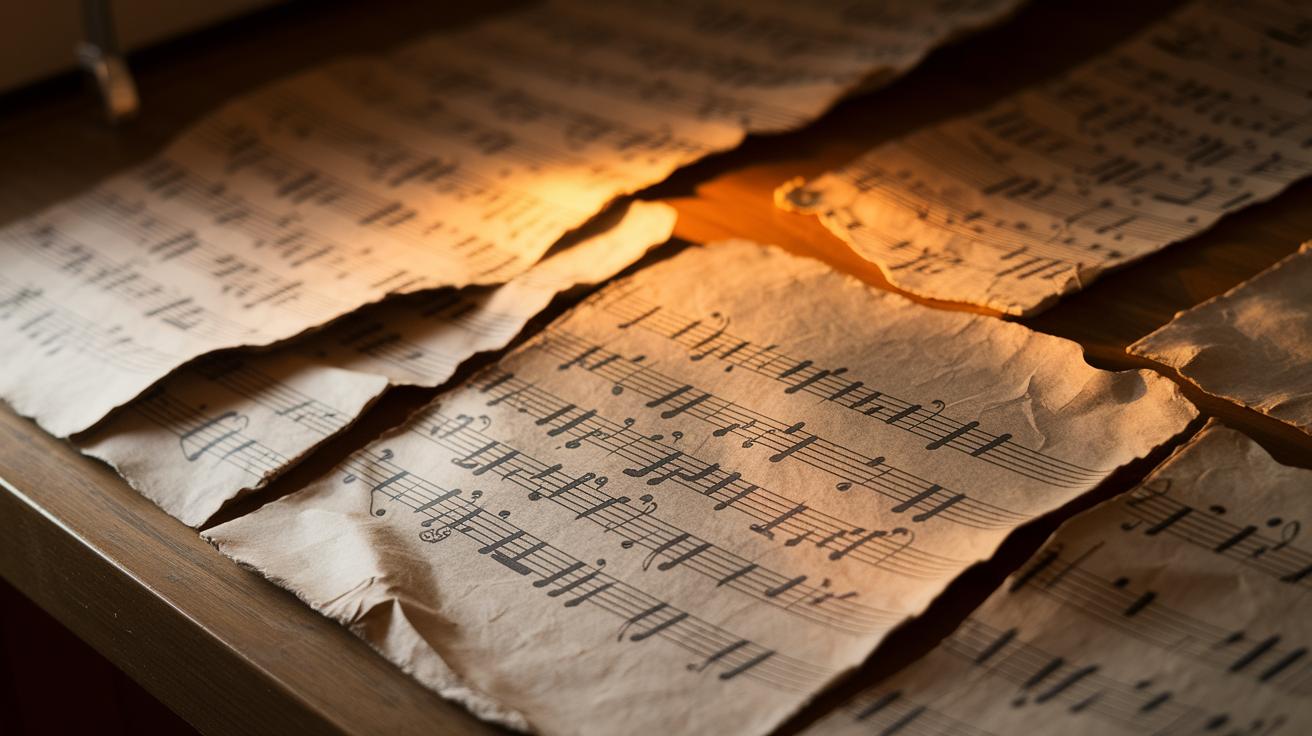
Imagine stepping into a world where ancient scribes played with seven-note scales and split them into groups of four. It’s like finding backstage notes from a secret performance. Papyrus fragments even drop names of these scales, giving us a small peek into how their melodies were built. Fun fact: a recovered papyrus listed a series of scale names that still spark musical mysteries today!
Theoretical texts spill a hint that Egyptians saw music as repeating patterns or modules. They divided pitches into higher and lower parts, much like sorting your favorite tracks into high-energy bops and chill jams. Even though they didn't document it like we do today, you can tell they thought carefully about grouping sounds.
Scholars play detective by piecing together archaeological remains and old writings. They study temple vibes, hieroglyphs, and even acoustics to uncover clues about pitch relationships and rhythm. By comparing papyrus fragments with modern scale ideas, researchers bridge the gap between lost old notations and fresh musical insights. This investigative journey turns dusty relics into an exciting glimpse at Egypt’s musical legacy!
Final Words
In the action, our blog unraveled how music flowed through everyday life and ceremonial moments in ancient Egypt. We walked through the intricate craft of musical instruments, the close-knit ensembles of royal courts, and the sacred tunes that marked celebrations and rituals. Modern research even brings these timeless sounds back to life with innovative recreations. The blend of history and sound highlights the enduring charm of ancient egyptian music, leaving us with the uplifting promise of more captivating discoveries ahead.
FAQ
What kind of music did ancient Egypt have?
Ancient Egyptian music featured lively rhythms, gentle instrumental tunes, and ceremonial pieces. It served as an emotional outlet in daily life and special celebrations, reflecting the cultural heritage of the time.
What instruments did ancient Egyptians use in their music?
Ancient Egyptians played rattles, hand-held drums, flutes, harps, and lyres. These instruments created energetic rhythms and delicate melodies that set the ambiance in temples, palaces, and official events.
Do we know what Egyptian music sounded like?
Studies of tomb paintings and inscriptions help scholars piece together the sounds of ancient Egyptian music. These clues suggest a mix of rhythmic percussion alongside soulful wind and string instruments.
Is there any surviving ancient Egyptian music?
While we don’t have recordings, researchers use historical artifacts and reconstructed instruments to recreate the sound. Modern experiments offer a glimpse into the vibrant musical traditions of ancient Egypt.
What is the famous Egyptian tune?
No single famous tune from ancient Egypt survives today. Instead, artifacts hint at cherished ceremonial melodies and chants that left a lasting mark on their cultural heritage.
Where can I find ancient Egyptian music on YouTube or as a playlist?
Many YouTube channels and playlists feature compilations of ancient Egyptian instrumental tracks and meditative temple sounds, making it easy to experience the timeless charm of their musical traditions.
Can kids enjoy ancient Egyptian music?
Yes, child-friendly playlists featuring simple, engaging instrumental pieces make ancient Egyptian music accessible for kids, sparking interest in history through captivating sounds and storytelling.
What defines beautiful Egyptian music in modern terms?
Modern renditions of Egyptian music showcase orchestral adaptations of ancient tunes. These versions blend rhythmic energy with mellow melodies to transport listeners to a historic and artistic era.
How is ancient Egyptian music used in meditation or temple settings?
Gentle flutes, soft drums, and soothing chants create meditative soundscapes, similar to temple music used in ancient rituals. These sounds invite a calm and reflective state in modern listeners.
What characterizes traditional Egyptian music?
Traditional Egyptian music blends folk rhythms with ceremonial melodies, using a range of percussive and melodic instruments. This combination highlights a rich historical legacy still appreciated today.