

Have you ever thought about how your view of the world might be shaped by your own background? It’s kind of like wearing a pair of tinted glasses without even realizing it. These hidden filters, or cultural biases, sneak into our everyday lives and change how we see a smile, a wave, or even a simple nod.
We tend to believe that our way is the only way because our habits and beliefs come from our own experiences. But when we start to notice these patterns, we can connect better with the people around us. Isn’t it cool how a little self-awareness can bring us closer together?
Understanding Cultural Bias: Definition and Context
Cultural bias means seeing the world mainly through the lens of your own customs and values. It’s like assuming that your way of doing things is the only right way. For instance, someone might say, "In my culture, eye contact shows respect," not realizing that in other cultures, a softer gaze might be considered polite. This idea helps us understand how our deep-seated beliefs shape our everyday interactions.
Our hidden assumptions act like an unseen filter, influencing even the simplest choices, whether it’s greeting a neighbor or reading a coworker’s body language. Little moments, like a misinterpreted gesture or an offhand comment, can reveal how our cultural background nudges our reactions. These moments sometimes lead to mix-ups when people from different cultures meet.
Staying aware of cultural bias is key to understanding why people act the way they do. Knowing that behaviors can be rooted in unique cultural traditions helps us avoid too-simple judgments. So next time, if you wonder, "Could this behavior have a cultural explanation?" you might find a clearer way to communicate and understand each other better.
Historical Evolution of Cultural Bias

Back in the 19th century, researchers explored non-Western cultures by comparing them to Western ways. They assumed their own customs were the only way to live, an early nod to ethnocentrism. Unique traditions were often measured against a very narrow standard, which meant many practices didn’t get the respect they deserved.
By the 20th century, a big debate started over IQ tests. Folks noticed these tests favored people from dominant cultural backgrounds, making it seem like some groups just didn’t measure up. This sparked a closer look at how these tests were built and whether they were really fair.
Soon, academics began to challenge research methods that ignored a wide range of cultural experiences. They pointed out hidden biases and pushed for approaches that celebrated diversity. In doing so, they laid the groundwork for fairer ways to understand cultural differences.
Look at Dr. Dave Cornell’s teacher training programs in eight countries as a great example. His work reshapes education by honoring various cultural values while reducing bias. It shows how growing cultural awareness can revamp academic traditions and make learning more inclusive for everyone.
Cultural Bias in Psychological Assessments and Education
Standard tests and diagnostic tools often hide cultural biases that lead to uneven results for different groups. Studies show that many common IQ exams work better for people from the dominant culture. Even mental health diagnoses can miss unique expressions of distress when clinicians stick to one way of thinking. In schools, when lessons only tell one story, students who see and express things differently can feel left out. In short, these testing methods and educational materials carry deep cultural biases that shape our view of intelligence, well-being, and academic potential.
- IQ questions sometimes include cultural elements that favor one group
- The language used assumes a certain background knowledge
- Diagnostic checklists often overlook cultural expressions of distress
- Curriculum examples can reinforce stereotypes
- Data shows performance gaps across different demographic groups
Fixing these issues starts with rethinking how tests are built. One promising idea is to create testing standards that celebrate cultural diversity. This means exams should include a wider range of cultural references. Training examiners and clinicians to spot when a cultural nuance is affecting their judgment can make a big difference. Think of it like encountering a math problem that mentions local traditions you’ve never heard of, it changes the whole approach! Updating school materials to include more diverse viewpoints can also level the playing field for all students.
Investing in training, just like new drivers learning about varied road conditions, makes sure professionals are ready to interpret responses with true cultural sensitivity. Ongoing research in social work and psychology supports these changes. By aligning tests and assessments with the rich variety of cultural experiences, educational and mental health experts can create a fairer, more inclusive system that truly recognizes everyone’s unique talents and challenges.
Real-World Illustrations of Cultural Bias
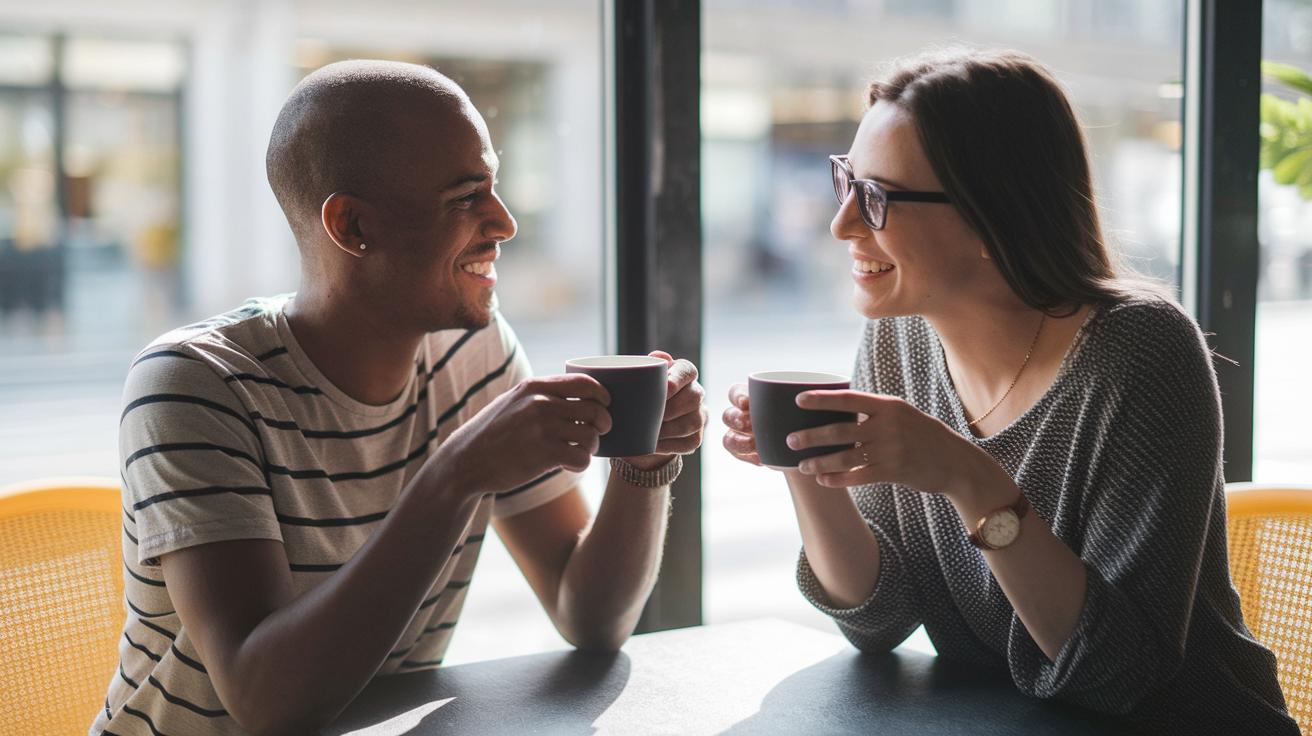
Bias shows up everywhere, from the office to hanging out with friends or even those quick chats on the street. Our cultural roots shape how we talk, keep time, and act in groups. That means one gesture that seems polite or smart to one person could be seen in a totally different light by someone from another background. These differences often let cultural bias sneak into how we understand people and make choices every day.
Consider these five everyday scenarios that show cultural bias at work:
- Sometimes, HR hiring tips lean toward candidates who match the usual cultural profile, giving those with more familiar backgrounds a boost.
- Teamwork can also reveal bias. While some Western settings like to make decisions as a group, some Asian cultures prefer letting one person take the lead. This can mix up intentions.
- Being on time matters in some places. One culture’s strict time rules might clash with another’s more relaxed style.
- Even body language can be tricky; for example, too much eye contact may signal honesty in one culture but feel confrontational in another.
- And even during shared meals, bias is present. Something as simple as using chopsticks might spark quick judgments because it’s not the norm for everyone.
These situations show us that cultural bias is not some far-off idea, it’s part of our everyday lives. By watching how different customs shape our actions, we see why mix-ups happen and why people view things so differently. Noticing these moments might help break the habit of snap judgments. When we appreciate how subtle cultural differences color our interactions, it opens us up to fairer, more balanced views in our ever-connected world.
Cultural Bias in Media and Storytelling
Hollywood movies often show us one-sided views by using simple, overdone character types. Think about it: many films stick to safe formulas, where characters feel like they’re stuck in a one-note role. For example, you might see a villain whose cultural traits are blown way out of proportion, leaving no room for real, deep character growth. This way of filming not only makes stories boring but also cements unfair stereotypes in our minds, almost as if every character was meant to speak for an entire culture.
TV shows and books add to the problem too. On the small screen, you might notice that characters like the goofy sidekick or the misunderstood outsider pop up over and over. These repeated roles can push minority experiences to the sidelines. Meanwhile, in books, authors sometimes stick too closely to their own view of a culture. Imagine reading a series where the side characters always look the same, making it hard to appreciate their unique backgrounds or evolution.
Documentaries, however, have a real chance to mix things up. Some filmmakers are stepping away from old habits by sharing stories from all sides of a cultural issue. They create tales that look at how shared experiences shape who we are, shining a light on the ways community and group identity can influence personal choices. This fresh approach not only invites viewers to think deeper about cultural ties but also helps break down long-held biases.
Strategies for Reducing Cultural Bias

Hidden biases often sneak into our daily decisions without us noticing. Practical workshops and updated work rules can help us spot and challenge these biases, much like a backstage look before a big performance. Sensitivity training and counseling show us how our own backgrounds can shape our interactions, while fresh teaching methods and fair policy updates remind us that bias isn’t set in stone, we can learn and grow continuously.
Think of real-life training as a warm-up before the main show. It gives you quick feedback so you can adjust on the fly. Here are some down-to-earth strategies to try:
- Implicit bias workshops with immediate feedback
- Reviewing curricula to drop outdated stereotypes
- Creating multicultural exam standards
- Peer panels for hiring and promotions
- Legal checklists to stick with non-discrimination laws
- Ongoing cultural-competency classes
- Feedback loops that include voices from minority groups
Staying committed to reducing bias can change how we interact every day. When organizations use these ideas, they not only create a fairer work environment but also boost team spirit and efficiency. Regular check-ins and dedicated feedback panels help catch small issues before they turn into big problems, while training and certification programs give everyone the tools to appreciate different cultural viewpoints.
This isn’t just about ticking boxes, it’s about building a deeper, genuine understanding of each other’s values and traditions. With steady, thoughtful efforts, we can turn our differences into opportunities for real, meaningful connections that benefit us all.
Final Words
In the action, the article tackled the deep layers of cultural bias by defining it in everyday terms and tracking its history in education, psychology, media, and storytelling. It showed how ingrained ideas affect our daily lives and gave practical ways to ease these effects. The journey reminded us that recognizing cultural bias starts with understanding our own perceptions. This insight can brighten our path forward and invite more balanced, thoughtful encounters each day.
FAQ
What are some examples of cultural bias?
The question shows that cultural bias appears when standards favor one group, like when hiring practices prefer a dominant culture or tests include culturally specific language and scenarios.
What does cultural bias mean in psychology?
The question explains that cultural bias in psychology occurs when one’s own cultural views shape how behavior and mental processes are interpreted, often leading to unbalanced assessments.
Why is cultural bias a problem?
The question shows that cultural bias creates unfairness by distorting research, workplace practices, and social interactions, which leads to misinterpretations and unequal treatment of people from different backgrounds.
What is cultural bias in AP psychology?
The question clarifies that in AP psychology, cultural bias refers to how assumptions based on one’s cultural norms may influence psychological testing and explanations, potentially skewing understanding and outcomes.
How can you identify your own cultural bias?
The question suggests you can spot your own cultural bias by reflecting on your assumptions, questioning your immediate reactions, and considering if your perspective unfairly favors your cultural background.
What is a synonym for cultural bias?
The question indicates that a common synonym for cultural bias is ethnocentrism, which is the belief that one’s own cultural practices and perspectives are the standard for everyone.