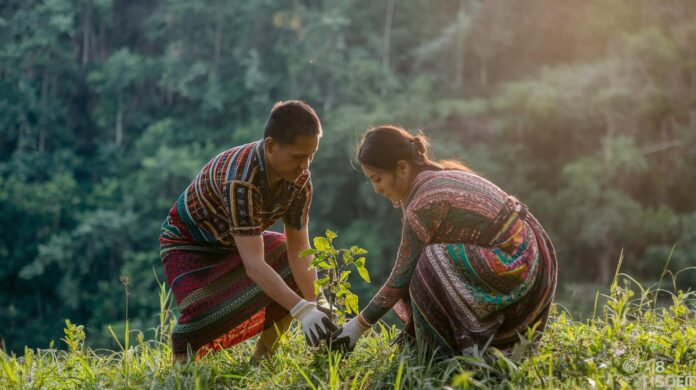

Ever wonder if the way we live can actually change the world around us? Cultural ecology shows that the way we grow our food and keep our traditions forms a special bond with nature.
Imagine it like a fun festival that mixes timeless customs with fresh ideas. People and nature are always dancing together, each influencing the other in surprising ways.
In this post, we'll unpack that powerful connection. You'll see how our everyday habits shape the earth and how the earth, in turn, leaves its mark on us.
Defining Cultural Ecology and Its Interdisciplinary Scope

Cultural ecology brings together ideas from cultural anthropology, human geography, and ecology to explore the vibrant relationship between people and nature. It’s like watching a local festival where tradition meets a modern twist. Researchers study how our beliefs, habits, and social rules connect with the natural world, revealing how people both adapt to and shape their surroundings.
This field really took off in the mid-1900s as scholars moved away from old ideas that barely considered nature. Trailblazers like Julian Steward, who focused on how communities get by through their food practices, and Carl Sauer, who showed us how people transform landscapes, paved the way for fresh insights. Imagine a community that tweaks its farming methods to suit a dry climate, this is culture and nature in a lively dance.
Many experts now point out that shifts in the environment can even reshape cultural heritage, affecting everything from survival strategies to creative expression. To really get the full picture of human life, it’s vital to see how society and nature work together side by side. This blend of practical insights and thoughtful theory offers us a clear view of the ongoing conversation between people and the land.
Cultural Ecology: Dynamic Environmental Harmony
Julian Steward’s Cultural Core Concept
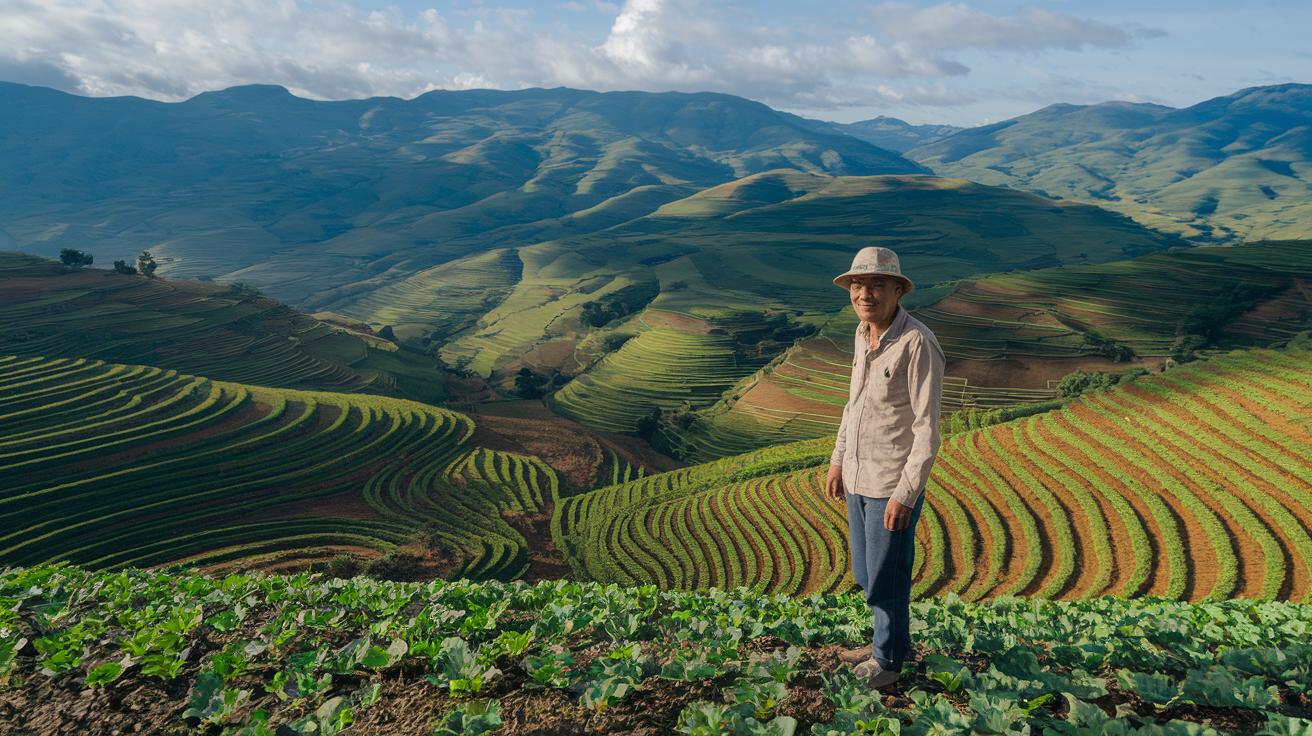
Julian Steward changed the way we see the link between nature and the way people live. He believed that how we get food, whether through farming or fishing, not only keeps us going but also shapes our traditions and beliefs. For example, in one remote community, clever water-saving techniques born from scarce resources eventually became a key part of their cultural identity. Steward's ideas show that our surroundings and our means of making a living help build our social traditions and customs.
Carl Sauer and the Cultural Landscape
Carl Sauer looked at how people continuously change the land to express who they are. He painted a picture of how human hands have transformed wild surroundings into symbols of cultural pride. Imagine farmers turning rugged hills into winding fields and colorful patchwork farmlands. In some highland regions, centuries-old terraces quietly tell the stories of ancient communities who sculpted their environment with care and creativity. Sauer's work invites us to see the landscape as a living canvas where nature and human effort come together.
Systems Theory and Ecological Feedback
Systems theory adds yet another exciting twist by highlighting how nature and human actions constantly influence each other. This idea tells us that a small change, like a shift in rainfall, might set off a chain reaction leading to new farming methods and even fresh community celebrations. This blend of geography, biology, and sociology reveals cultural ecology as an ongoing conversation between society and the environment, a vibrant exchange that shapes behaviors and creates adaptive strategies over time.
Core Concepts: Human-Environment Interaction and Adaptation

Across the globe, people live in a constant dance with nature. Whether in a sizzling desert or a bustling rainforest, communities mix everyday traditions with the land around them. They adjust their routines as nature sends little hints, a soft change in the breeze or a new cloudburst. This ongoing exchange lets old customs keep pace with new challenges, all while staying true to their roots.
Cultural changes aren’t set in stone. Instead, folks learn from nature and let its signals shape fresh ideas. Ever notice how a bit more rain can shift planting seasons or water habits? When nature teams up with human creativity, traditions may flex a bit but stay strong, forging unbreakable bonds between people and their environment.
To really get what’s happening, it helps to break down a few key ideas. Here are five basics to keep in mind:
| Concept | Description |
|---|---|
| Adaptation | People change what they do as their surroundings shift. |
| Feedback Mechanisms | Nature and people learn from each other in a back-and-forth way. |
| Resilience | Communities bounce back and stay strong even when tough times hit. |
| Biocultural Diversity | Nature and culture mix together in unique, special ways. |
| Interplay of Determinism and Social Factors | Nature’s push and our choices work together to shape how traditions grow. |
Methodological Approaches in Cultural Ecology

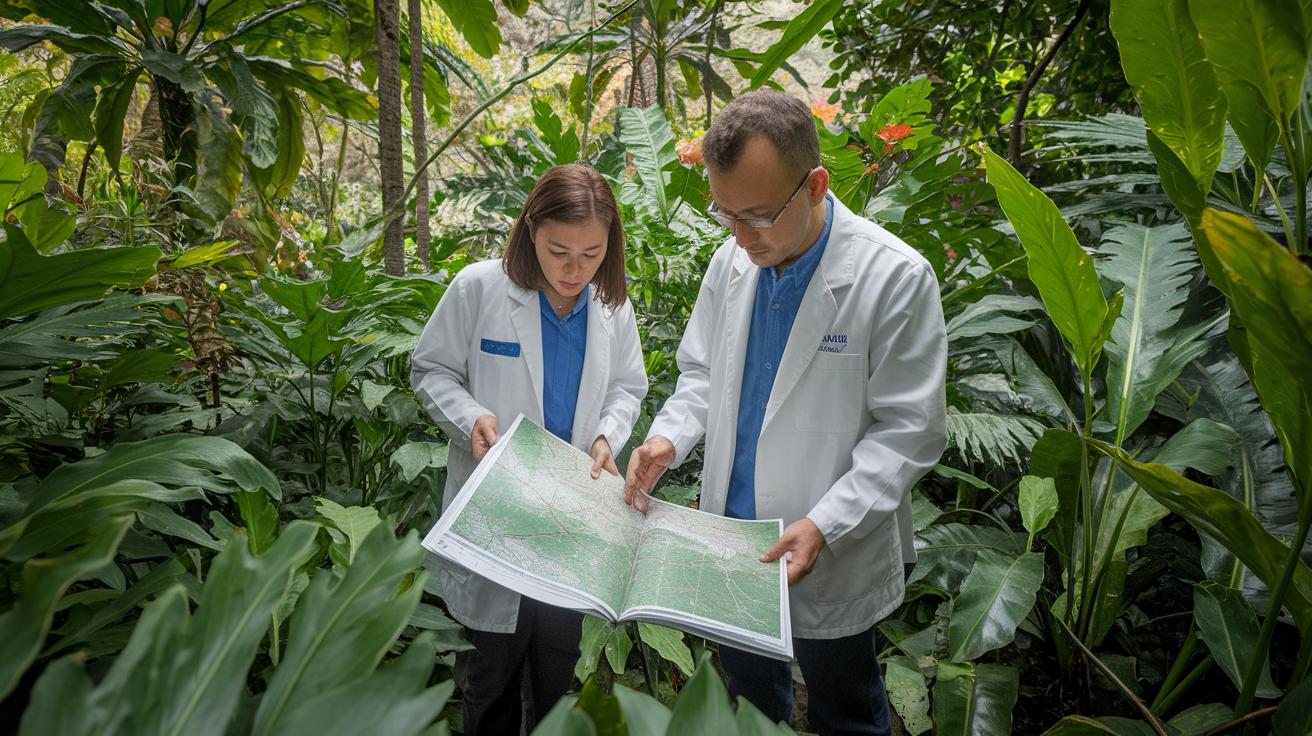
Modern cultural ecology research mixes fresh technology with trusty, hands-on methods to show us how people shape their surroundings. Researchers use tools like GIS (which helps map out land use) and remote sensing to keep tabs on environmental changes. These approaches create bright, clear maps that show resource layouts and even tiny shifts in the cultural landscape.
Numbers alone don’t tell the whole story. That's where qualitative research comes in. Fieldwork, on-site visits, and friendly interviews capture the local vibe behind these changes. One cool study combined local stories with satellite images, revealing how traditional wisdom helps communities manage their resources. Ever notice how linking digital mapping to old legends sparks a whole new appreciation for local history?
By blending personal interviews with solid data, scientists get a full, vibrant picture of how humans and their environment interact. This mix of measurable facts and cultural stories gives us rich insights into how traditions evolve alongside nature, showing us just how interconnected our world truly is.
| Method | Application |
|---|---|
| GIS mapping | Charting land use and resource distribution |
| Remote sensing | Monitoring environmental changes |
| Ethnographic fieldwork | Recording local practices and cultural narratives |
| Mixed-methods analysis | Integrating quantitative data with qualitative insights |
Case Studies: Indigenous Knowledge and Socio-Ecological Dynamics
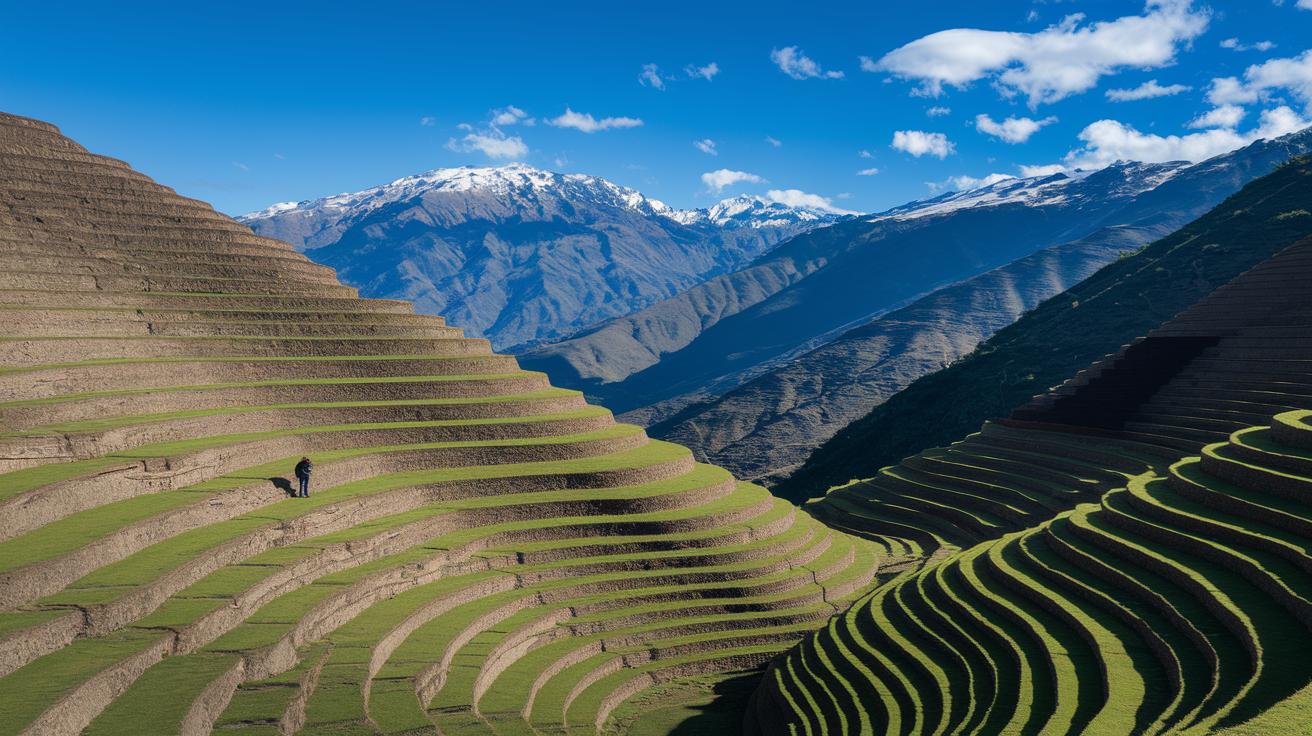
Across the globe, indigenous wisdom lights up fresh ways to use resources wisely and keep cultures strong. In the stunning Andes mountains, local farmers have shaped steep slopes into layered terraces, a clear display of old-school know-how at work. They carefully tend the soil while boosting biodiversity, proving that age-old techniques can tackle modern challenges.
In the dry, sunbaked areas of the Middle East, ancient water management systems really shine. Communities have fine-tuned irrigation methods that have been passed down for thousands of years. These smart techniques spread water evenly and help farms thrive, even when water is scarce. It’s a great example of how traditional practices can solve today’s tough resource puzzles.
City life isn’t left out either. Urban studies show that old traditions are inspiring the planning of green spaces and reshaping neighborhood bonds. By leaning on ancestral ecological insights, communities are turning city ecosystems into vibrant, sustainable places. This mix of history and modernity shows that even in a bustling metropolis, heritage helps shape a greener future.
From peaceful rural terraces to dynamic urban streets, indigenous knowledge echoes everywhere. Curious for more? Check out “examples of cultural events” at https://realie.org?p=3317 to see how age-old practices continue to spark fresh, modern ideas. In these real-world snapshots, time-tested wisdom and local spirit come together to create a sustainable dialogue between people and nature.
Cultural Ecology and Sustainable Development Practices

Cultural ecology gives us a cool blueprint for today’s sustainable living. It mixes the rich, old-school wisdom of indigenous practices with modern environmental needs. Communities use traditional methods, like farming that blends trees with crops, capturing rainwater, and caring for sacred groves, to protect nature and keep their cultural stories alive.
These local practices do more than just manage resources; they also help nature do its thing. Imagine a community saving water with clever collection techniques while honoring deep-rooted beliefs about nature’s sacred flow. It’s a perfect example of how homegrown knowledge can inspire eco-friendly habits that stick.
When leaders value cultural viewpoints, it boosts resilience and ethical resource use. By truly listening to community insights, decision-makers can create spaces where sustainable methods grow hand in hand with local traditions. Ever think of cultural diversity as that secret ingredient for a strong, thriving society?
Mixing ancient indigenous ways with modern policy builds a model where cultural values and nature’s own services join forces to form vibrant, sustainable communities. It’s a blend that honors the past while paving the way for a greener future.
Contemporary Challenges and Emerging Directions in Cultural Ecology
Globalization, climate change, and pollution are quickly reshaping our long-standing traditions. Communities are feeling the pressure as outside influences change local customs and unsettle nature's balance. Many worry these rapid shifts might wipe out old wisdom and loosen the deep connections people have with their land. Traditions built up over centuries face danger now that modern technology and market trends are changing everyday life. Often, nature’s changes force communities to adapt in ways that test long-held cultural values.
Leading researchers are now championing studies that truly listen to local voices. They believe community-led research gives us a clearer look at how people adjust when circumstances change. New projects are combining remote sensing with local mapping techniques, mixing high-tech data with the everyday details that matter. Teams from technology, social science, and environmental backgrounds are joining forces in fresh partnerships to tackle these challenges. The focus is also shifting toward fairness and protecting cultural rights, with a vision of policies that promote both sustainable resource use and the preservation of our heritage. This mix of modern tools and community wisdom offers a hopeful path toward a balanced and respectful link between culture and nature.
Final Words
In the action, we've jumped from defining cultural ecology to tracing its academic roots and human-environment interactions. We explored how theories by pioneers like Steward and Sauer set the stage for real-world applications, mixing field methods, indigenous practices, and sustainability strategies. The discussion highlighted emerging challenges and promising directions in reshaping our cultural lenses. This dive into cultural ecology shows how dynamic and interconnected our world truly is. Celebrate the insights and keep your curiosity alive!
FAQ
What is cultural ecology?
The study of cultural ecology examines how societies adjust their practices in response to nature. It blends views from anthropology, human geography, and ecology to reveal how cultural traditions interact with the environment.
What does cultural ecology theory entail?
Cultural ecology theory explores how natural surroundings influence social customs. It incorporates ideas like Steward’s cultural core and systems feedback to explain the ongoing interplay between people and their habitats.
What is an example of cultural ecology?
An example of cultural ecology is seen in indigenous water management systems. Communities adapt traditional techniques to handle local climate and resources, showcasing a unique balance between cultural practice and environmental needs.
Who is considered the father of cultural ecology?
The credit for founding cultural ecology goes to Julian Steward, whose work linking subsistence practices to cultural traits has heavily shaped how we understand human–environment interactions today.
What does cultural ecosystem mean?
The term cultural ecosystem describes the network where cultural practices and natural environments are interwoven. It highlights how human traditions, resource use, and nature collectively shape living landscapes.
How is cultural ecology incorporated in AP Human Geography?
AP Human Geography uses cultural ecology to study how societies modify and are modified by their surroundings. Students examine examples like subsistence strategies and regional adaptations to understand this complex interaction.
What resources are available for cultural ecology notes and PDFs?
Resources like PDFs and comprehensive notes on cultural ecology are accessible through academic databases, school libraries, and educational websites, offering insights and summaries on key theories and research.
What are common synonyms for cultural ecology?
Common synonyms for cultural ecology include eco-social studies and human–environment interactions, terms that emphasize the blend of cultural influences with changes in local ecosystems.