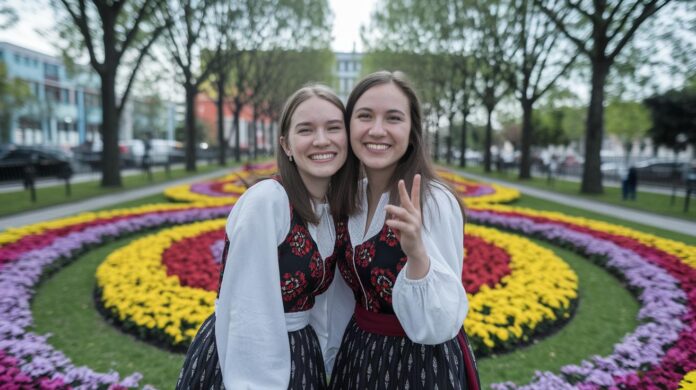

Have you ever thought about how our past helps shape who we are today? Our cultural roots are more than just old traditions – they light a spark that brings us together every day.
Think about that warm feeling you get when a familiar saying takes you back to a special family moment. In this post, we dive into how cherishing our heritage builds bonds that lift our spirits and connect us all.
Our shared customs and memories beat like a drum, making every day a celebration of the real us.
Cultural Identity Radiates Uplifting Personal Unity
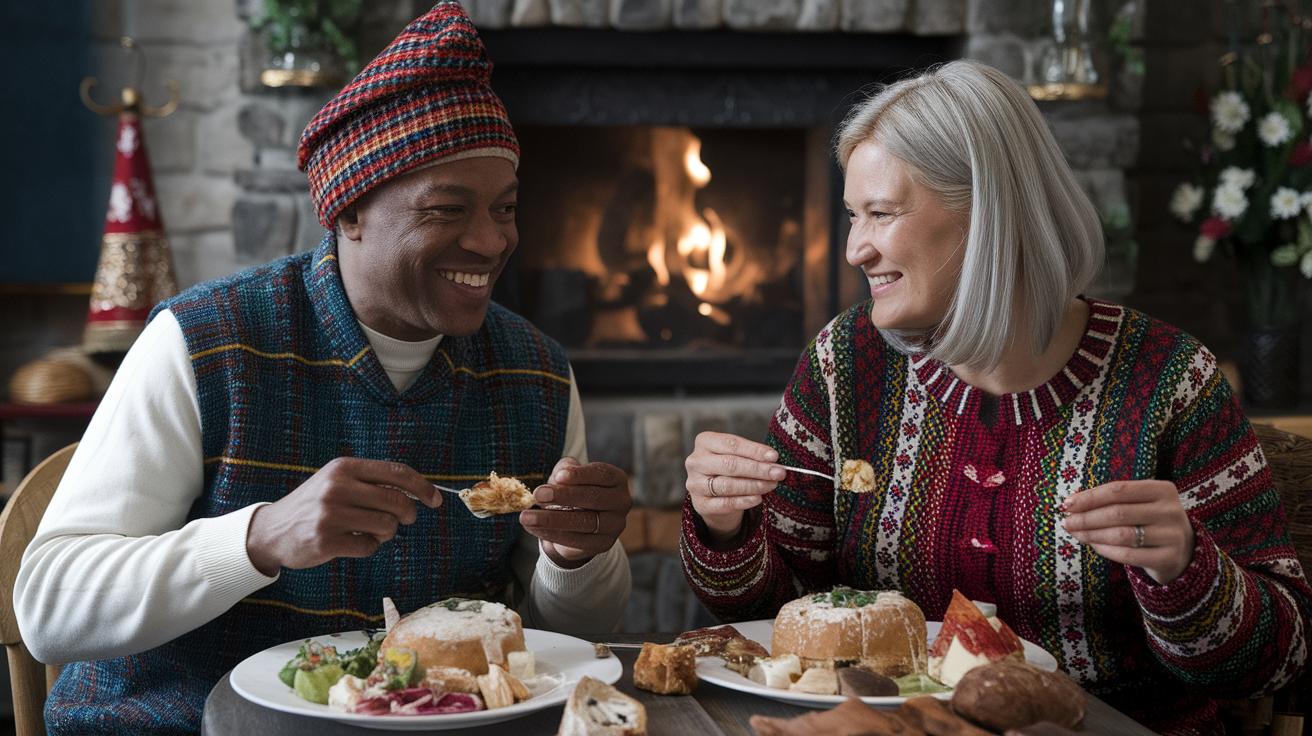
Cultural identity connects us all, it’s the mix of ways we live, the traditions we follow, and the values we hold dear. Picture hearing a familiar phrase that instantly takes you back to warm family get-togethers. It feels like a gentle reminder that you belong.
This identity shapes how we see ourselves and guides our actions every day. By celebrating our special traditions and rituals, we form strong bonds that light up our lives.
Here are some of the key parts that make up our cultural identity:
- Heritage and ancestry
- Language and communication
- Traditions and customs
- Values and beliefs
- Collective memory
- Group customs
Think of cultural identity like the steady beat of your favorite song. Each little note, whether it’s a shared memory or a simple custom, adds to a harmony that influences how we celebrate big moments, chat with our loved ones, and honor the stories passed down through generations.
When we appreciate every piece of our cultural puzzle, we’re not only growing as individuals but also weaving a close-knit community full of purpose and connection.
Cultural Identity’s Core Components: Heritage, Language, Traditions, and Beliefs
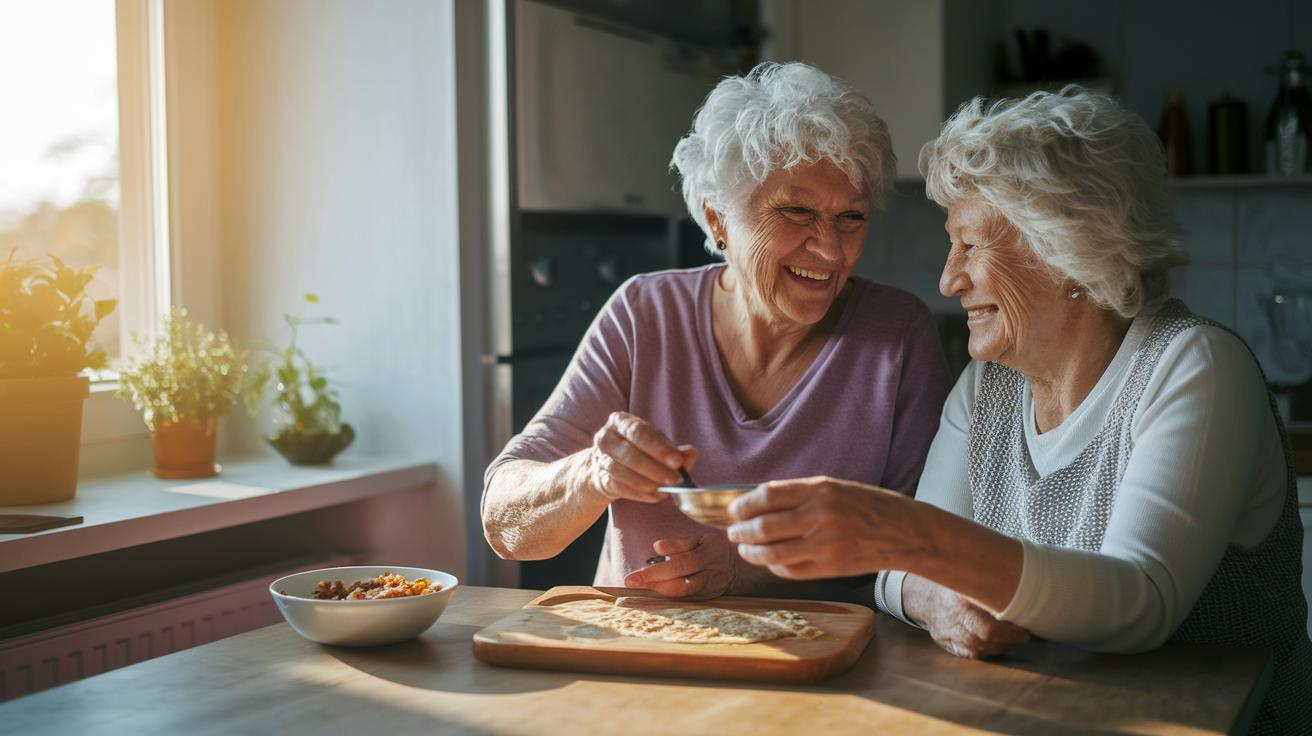
When we talk about who we are, our heritage, language, traditions, and beliefs all play a huge part. They link us to family roots, local customs, and a shared sense of purpose that feels like a warm embrace.
Heritage and Ancestry: Transmission of customs across generations
Heritage is like a living scrapbook of our past. Family tales, beloved recipes, and age-old customs connect us to our roots, much like passing a treasured secret from one generation to the next. Embracing heritage means we honor the people who came before us and keep their memories fresh in our daily lives. It’s this continuous thread that helps us feel whole as one big, supporting family.
Language and Communication: How idioms and speech patterns encode culture
Language is more than just a way to chat, it’s a bundle of cultural memories wrapped inside every phrase. Ever notice how a familiar saying can spark a smile or remind you of home? Those idioms and local expressions give us glimpses into our shared past and emotions. They work like a bridge, tying our conversations together and showing us that even simple words can hold deep connections.
Traditions and Customs: Role of rituals in reinforcing community ties
Traditions are the heartbeat of our communities. Whether it’s a lively festival or a quiet family ritual, these customs bring us together and keep our history alive. They offer comfort during tough times and add joy on happy days, creating a comforting rhythm that unites us all. In every celebration and quiet moment, our shared traditions remind us that we’re never truly alone.
Values and Beliefs: Influence on moral perspectives and group norms
Values and beliefs guide us every day, like silent mentors helping us decide what truly matters. They shape how we treat others and set the tone for community life, pushing us towards fairness, kindness, and mutual respect. With these guiding principles, our collective spirit grows stronger, inspiring trust and lighting the way for a better tomorrow.
Cultural Identity in Personal Growth and Community Cohesion
Our cultural roots shape how we see ourselves and connect us with communities that truly care. They fill us with a sense of courage, making us brave enough to try new things because we know our cherished traditions and history light the way. Sharing cultural stories and everyday rituals is like playing your favorite tune on repeat, it makes you feel right at home and builds bonds that last.
| Impact Area | Personal Level | Community Level |
|---|---|---|
| Self-esteem and resilience | Boosts confidence and helps you bounce back from tough times | Builds strong networks that lift each other up |
| Communication styles | Shapes your unique voice and style of expression | Encourages shared conversations and common understanding |
| Community support structures | Offers personal mentors and true friends when you need help | Creates reliable networks that celebrate traditions and nurture growth |
| Collective pride | Gives you self-worth from a proud shared heritage | Brings people together in a joyful, empowering celebration of culture |
Tapping into our shared heritage feels like a spark that lights up personal courage and community harmony. When you listen to a familiar family story or take part in a ritual passed down through generations, it's like getting a warm reminder that you're part of a larger family. This connection pushes you to grow while helping build a community where everyone feels seen and appreciated, moving us forward on a journey of tradition and togetherness.
Contemporary Challenges Facing Cultural Identity
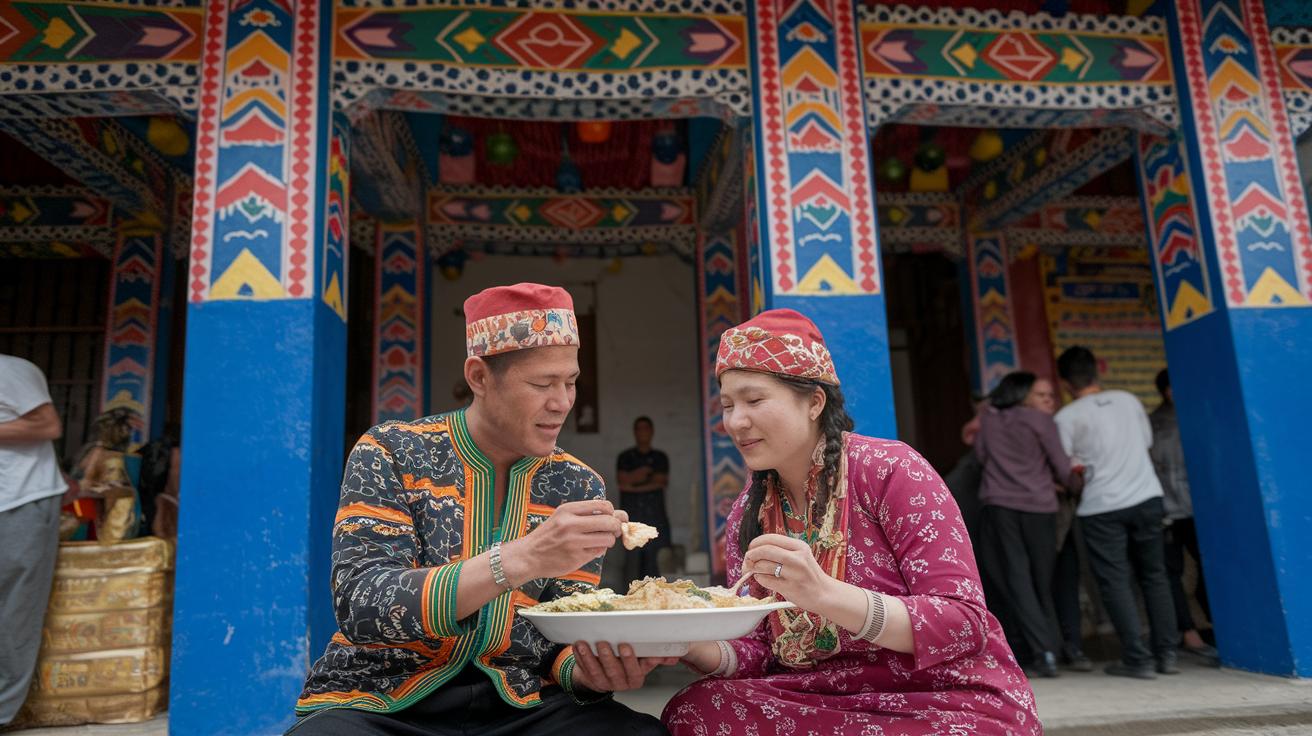
Navigating life in diverse societies brings a mix of cultural expectations that can stir up inner conflicts. Many folks find themselves torn between the customs they grew up with and the new ways they encounter every day. These feelings run deeper than a simple misunderstanding and can shake the very core of who we are. Imagine growing up with traditions that form your identity and then stepping into a community with completely different practices. It forces you to weigh the comfort of long-held beliefs against the thrill of something new.
Then comes globalization, adding a whole new level of challenge. Sure, it sparks cultural exchanges that make our lives richer, but it can also blur the clear lines of unique local traditions. Sometimes, rapid global changes might wear down those traditions, pushing communities toward a similar way of living. It’s like trying to balance on a seesaw, keeping heritage alive while adapting to modern norms is a delicate act. This push and pull, often wrapped up in what many call cultural assimilation (a term that shows how traditions blend together), leaves communities striving to preserve their identity while embracing growth on a global stage.
And then there's migration and adaptation, which throw another challenge into the mix. When people move to new places, they must redefine who they are all over again. Many in diasporic communities juggle the rich traditions of their homeland with the fresh expectations of their new environment. This ongoing negotiation shapes how they see themselves and often sparks both personal growth and lively conversations about culture. Ever felt like you’re learning to dance to a new beat while still holding on to the rhythm of your past? That’s exactly the kind of journey many experience as they reshape their own identity.
Preserving and Evolving Cultural Identity in a Changing World
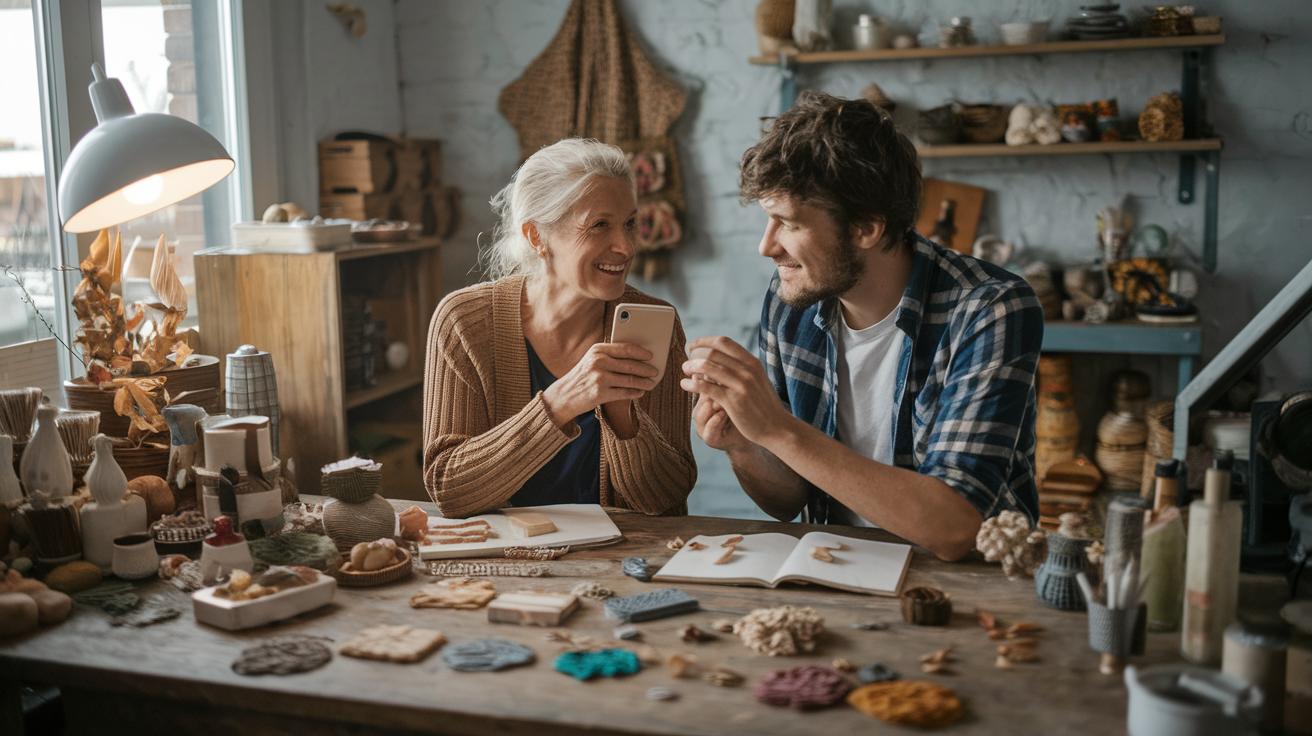
Learning about our past is the first step to keeping our identity alive. Local workshops and community events help us share family stories and age-old traditions that have been passed on from generation to generation. Intergenerational storytelling and time-tested rituals let folklore sparkle even when things around us change fast. When people come together to experience these cherished customs, they get a deep, personal connection with their roots. Hands-on heritage sessions make history feel alive, teaching us old ways in a fun, engaging manner.
Embracing change means welcoming new ideas and blending cultures. When traditional customs merge with fresh insights, it creates a lively mix where different ideas can thrive. This kind of multicultural conversation helps everyone blend the comfort of familiar traditions with exciting new influences. In these vibrant spaces, people learn to create a unique identity that respects both where they've come from and where they're going. Looking ahead, more local learning initiatives and global cultural exchanges will be key to keeping and growing our cultural identity.
Final Words
In the action, we explored cultural identity through its rich mix of heritage, language, and rituals, proving it shapes who we are and our community ties. We saw how shared customs and evolving experiences spark personal growth and deepen mutual bonds. The discussion navigated modern hurdles while celebrating art, music, and live moments. Every note and tradition reminds us: cultural identity connects us and drives creative energy forward. Let this insight fuel a positive outlook as we continue to embrace change and tradition side by side.
FAQ
Q: What is cultural identity and can you provide examples?
A: The cultural identity means the mix of traits, customs, and values that tie you to your community. It includes language, heritage, and traditions like celebrating family festivals or passing down regional recipes.
Q: Where can I find a PDF or articles on cultural identity?
A: The search for cultural identity resources often leads to academic papers, research studies, and online articles that explore heritage, traditions, and the personal impacts of cultural self-definition.
Q: Why is cultural identity important?
A: The cultural identity matters because it shapes your beliefs and influences behavior. It provides a meaningful sense of belonging and deepens connections within your community.
Q: What is my cultural identity and how can I explain it?
A: Your cultural identity is the blend of traditions, values, and heritage that define who you are. Explaining it involves sharing personal stories, family customs, and linguistic traditions that set you apart.
Q: What is a synonym for cultural identity?
A: The phrase cultural self-definition works as a synonym for cultural identity as both describe the unique combination of heritage, customs, and values that define a person.
Q: What are the four cultural identities?
A: The four key aspects of cultural identity include heritage and ancestry, language and communication, traditions and customs, and values and beliefs, each playing a role in shaping personal and community ties.