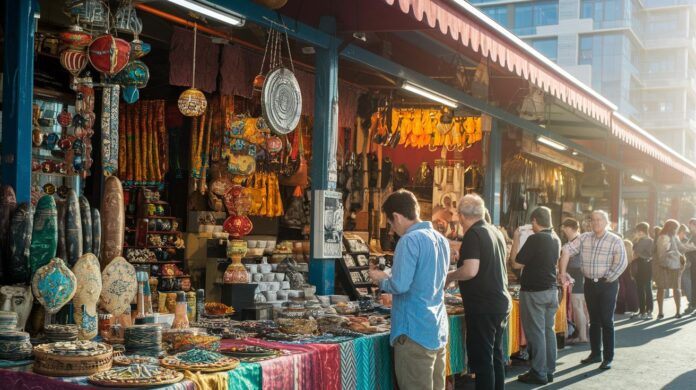

Have you ever pictured different cultures blending like ingredients in a busy kitchen? That’s cultural syncretism in action. It’s when traditions and ideas mix to create new art, language, and social ways that shape our everyday lives.
Think of it like remixing a classic hit, old tunes merge to form a fresh, exciting beat. From the dynamic shifts in Hispanic America after 1492 to the brilliant art scenes in South Asia, this lively fusion shows how different worlds can come together to form something truly bold. Cultural syncretism isn’t just a fancy theory; it’s the creative spark that lights up our culture every day.
Defining Cultural Syncretism and Its Core Elements
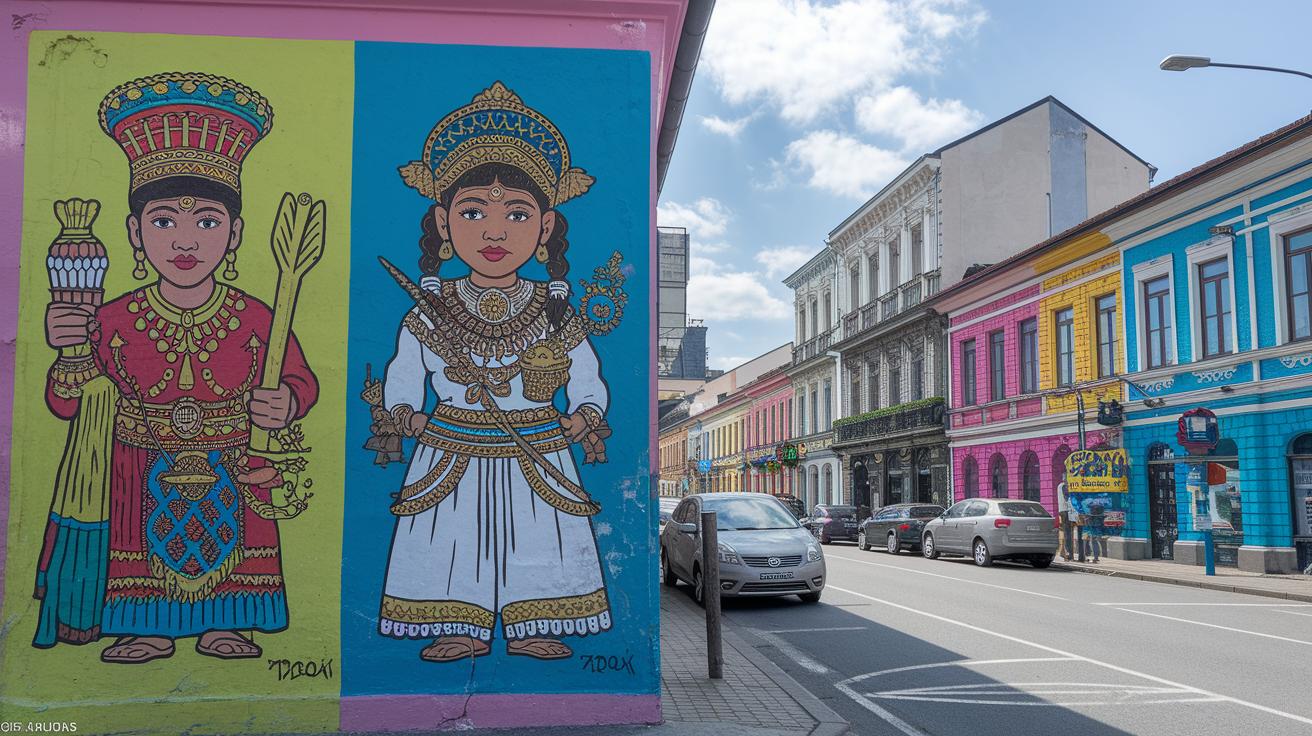
Cultural syncretism happens when different traditions and ideas come together to form something entirely new. It’s like blending two catchy songs to create a fresh tune that borrows the best parts from both. Instead of wiping out what makes each culture unique, this process lets them mix and spark unique art, language, and social ways.
A great example of this is mestizaje in Hispanic America, which began after 1492. Europeans, Africans, and Native Americans combined their customs to create a colorful cultural mosaic seen in daily life. Indigenous words found a special spot in Spanish, giving us recognizable touches like upside-down question marks and sayings such as "por la boca muere el pez." It shows that when different worlds meet, they can shape a whole new way to live and express ourselves.
cultural syncretism ignites vibrant cultural fusion
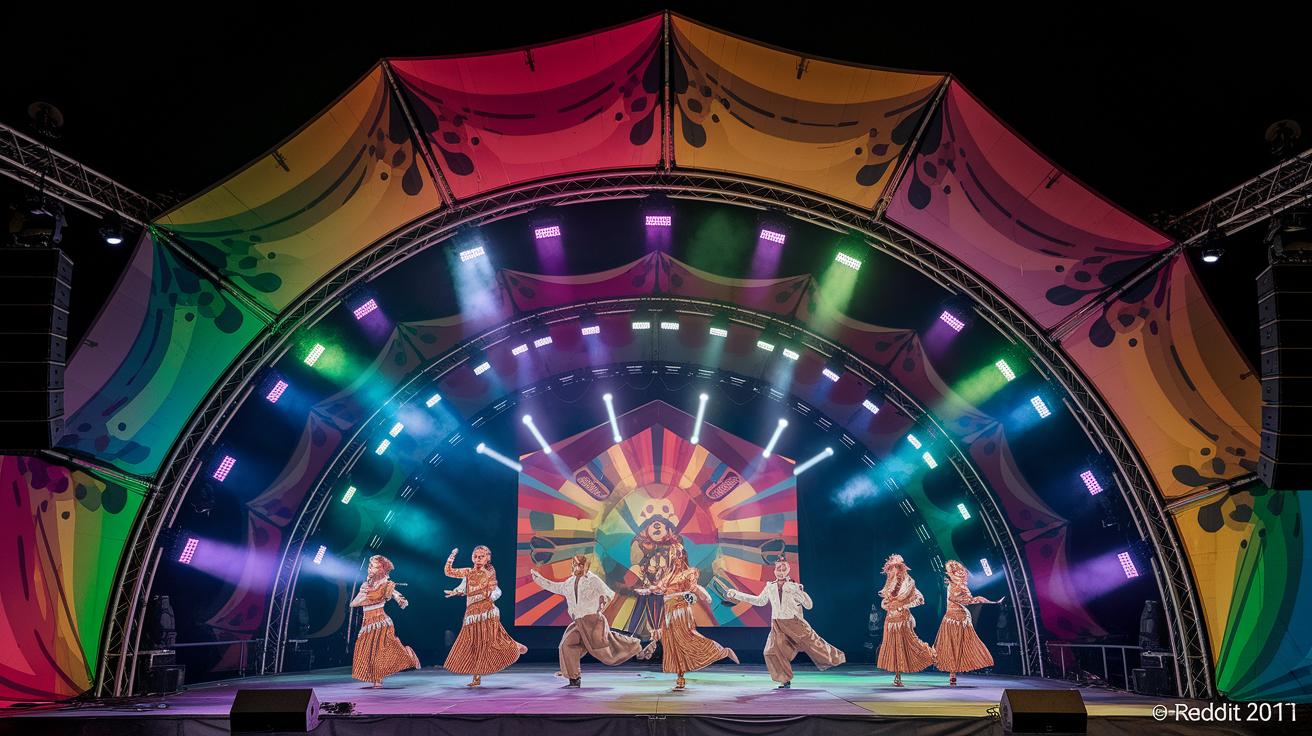
Cultures have been mixing in fun and surprising ways for ages. History shows us that different traditions come together like a lively mashup, creating something fresh and new. Imagine the sparkle of stage lights as old customs blend with new ideas, giving each era its own unique vibe.
In South Asia, when Islam arrived back in 711 AD and grew under the Ghurids, it sparked creative art forms seen in places like the Qutb complex. Over in Latin America after 1492, a mix of European, African, and Native American ways, called mestizaje, created a blend that still flavors everyday life. Even our alphabet is a cool remix, drawing from Etruscan, Greek, and Phoenician roots.
| Period | Region | Syncretic Event |
|---|---|---|
| Medieval South Asia | South Asia | Islam’s arrival in 711 AD and growth under the Ghurids inspired new art and architecture |
| Colonial Latin America | Latin America | Mestizaje blended European, African, and Native American customs after 1492 |
| Early Alphabet Formation | Mediterranean | The Latin alphabet evolved from a mix of Etruscan, Greek, and Phoenician influences |
These key moments remind us that trade, travel, and everyday encounters shape art and society over time. Cultural fusion is like a never-ending remix, constantly adding layers to our shared heritage. Interested in more? Check out cultural heritage and dive deeper into the stories behind these amazing blends.
Mechanisms Driving Cultural Syncretism
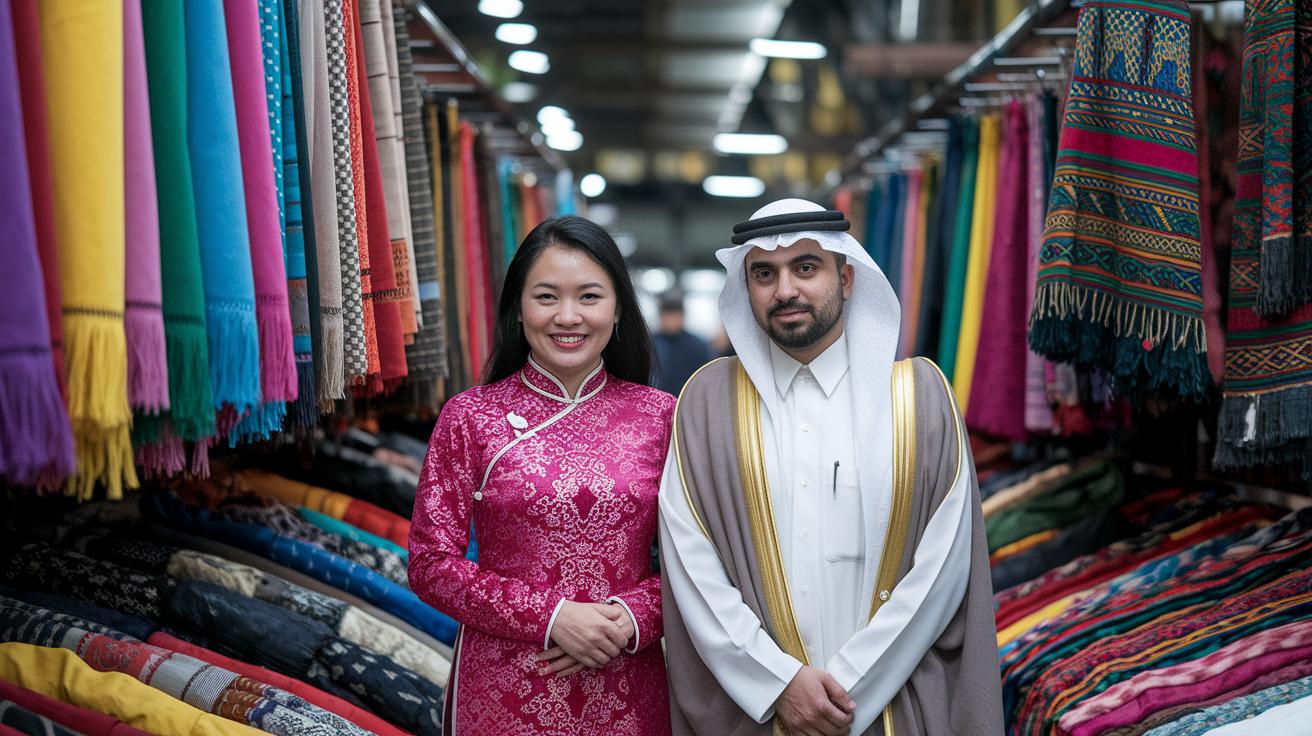
When cultures blend, magic happens. Traditions mix like favorite ingredients in a secret recipe, sparking lively new expressions. People and ideas keep moving across borders, bringing familiar rituals together in fresh, unexpected ways.
For instance, ancient trade routes linking Asia, the Middle East, and Europe opened the door for a vibrant exchange of spiritual ideas and artistic customs. Muslim leaders and later European settlers introduced new beliefs that changed local art scenes wherever they landed. Even the forced movement of enslaved peoples added deep layers of rich cultural expressions to the mix. In busy colonial port cities, locals and newcomers merged daily habits, creating sparkling cultural intersections.
These forces work together like a well-loved recipe, where every ingredient brings its own unique flavor. Their dynamic interaction not only reshapes art and society but also builds bridges among communities, fueling ongoing creative expressions every day.
Religious Syncretism: Hybrid Practices and Traditions
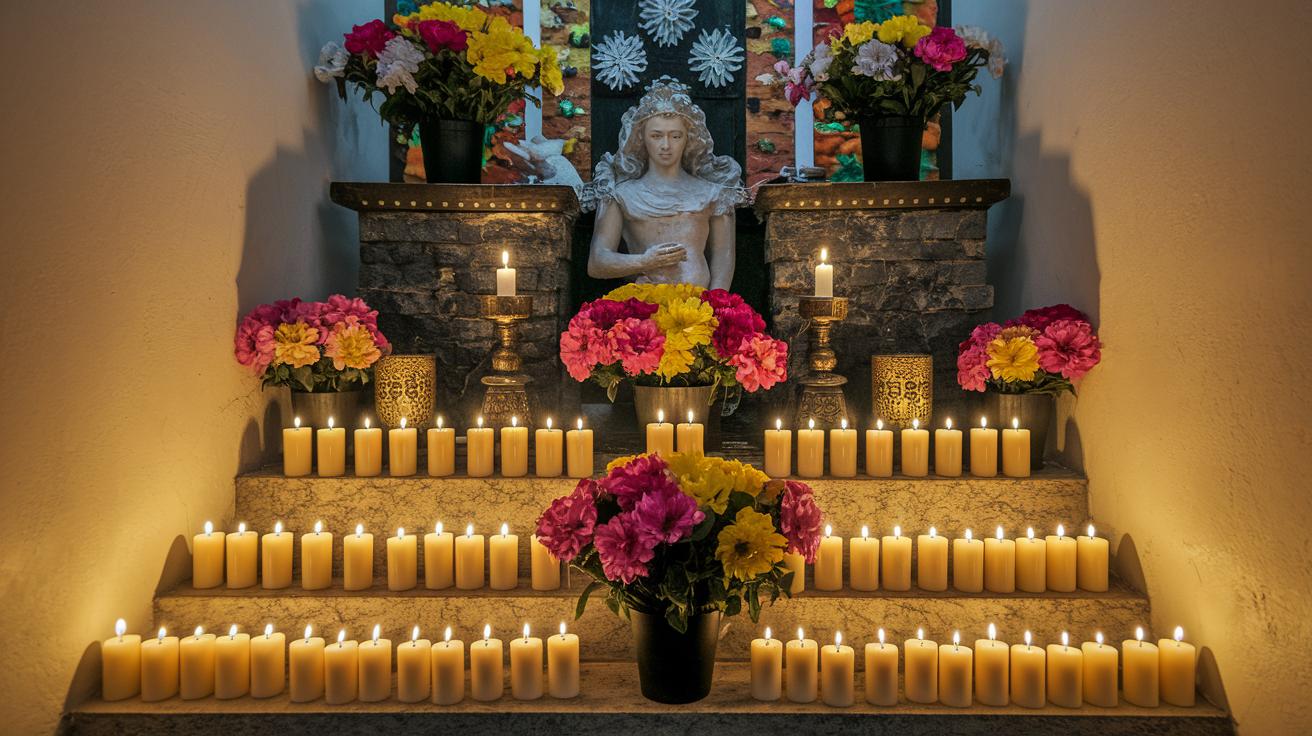
Religious syncretism is like a fun mix-and-match where different faith traditions come together to create fresh, lively ways to show devotion. It's a bit like whipping up a new recipe with your favorite ingredients, each one adding its own special flavor to the final dish. This blending of practices brings surprising and meaningful rituals that people can really connect with.
Santería
Santería is a cool example of this blend. It combines the traditions of Catholicism with the rich beliefs of the Yoruba people. Picture a setting where the beats of drums blend with heartfelt prayers. In these ceremonies, you get a mix of Catholic saints and the natural spirit seen in plants and elements, with offerings and chants that honor both sides. It feels like a bridge connecting the old and the new, celebrating life with every beat and word.
Rastafarianism
Rastafarianism grew up in 1930s Jamaica and is another unique fusion. Think of warm Caribbean days filled with the rhythms of reggae music and an energy that’s both reflective and daring. This movement mixes African heritage, pride in black identity, and even hints of Jewish ideas. Its vibe is all about unity, standing up to injustice, and tapping into nature for strength. It encourages rethinking who we are and transforming age-old beliefs into a powerful cultural statement.
When you look at Santería and Rastafarianism side by side, you see how mixing different traditions can create something really beautiful. Both paths offer spaces where old rituals spark new ideas, celebrating community and resilience. It's like when you blend classic holiday traditions with modern twists, the result is a living, breathing celebration that grows and adapts over time.
Cultural Syncretism in Art, Language, and Cuisine
Art and architecture are like a vibrant canvas where different cultures blend together. For example, Roman buildings mix strong, durable concrete with the elegant style of Greek design. These cool works of art show how different people have shared their creative sparks over the centuries. And it’s not just about ancient stones, everyday art and design continue to be inspired by this mix of traditions, inviting modern artists to put a fresh twist on old ideas.
Language and Script
The story of the Latin alphabet is a neat example of this cultural blend. It grew by borrowing letters from the Etruscans, Greeks, and Phoenicians, a bit like a remix where every part contributes its own special note. This written system has helped people communicate for ages, and it stands as a symbol of how cultures mix and create something lasting.
Culinary and Musical Forms
Take Tex-Mex cuisine, for instance. It’s a lively fusion of bold American flavors and the spirited traditions of Mexican food. And then there’s jazz, which emerged from African American blues, bringing together soulful sounds that still echo around the world today. There are plenty of cultural events where you can see these fusion traditions in full swing, showing off the beauty of blending different flavors and beats.
Even old proverbs, myths, and artifacts capture this spirit of mixing cultures. They tell stories of shared histories and creative partnerships, making every tradition feel connected and alive.
Case Study: The Taj Mahal’s Architectural Fusion
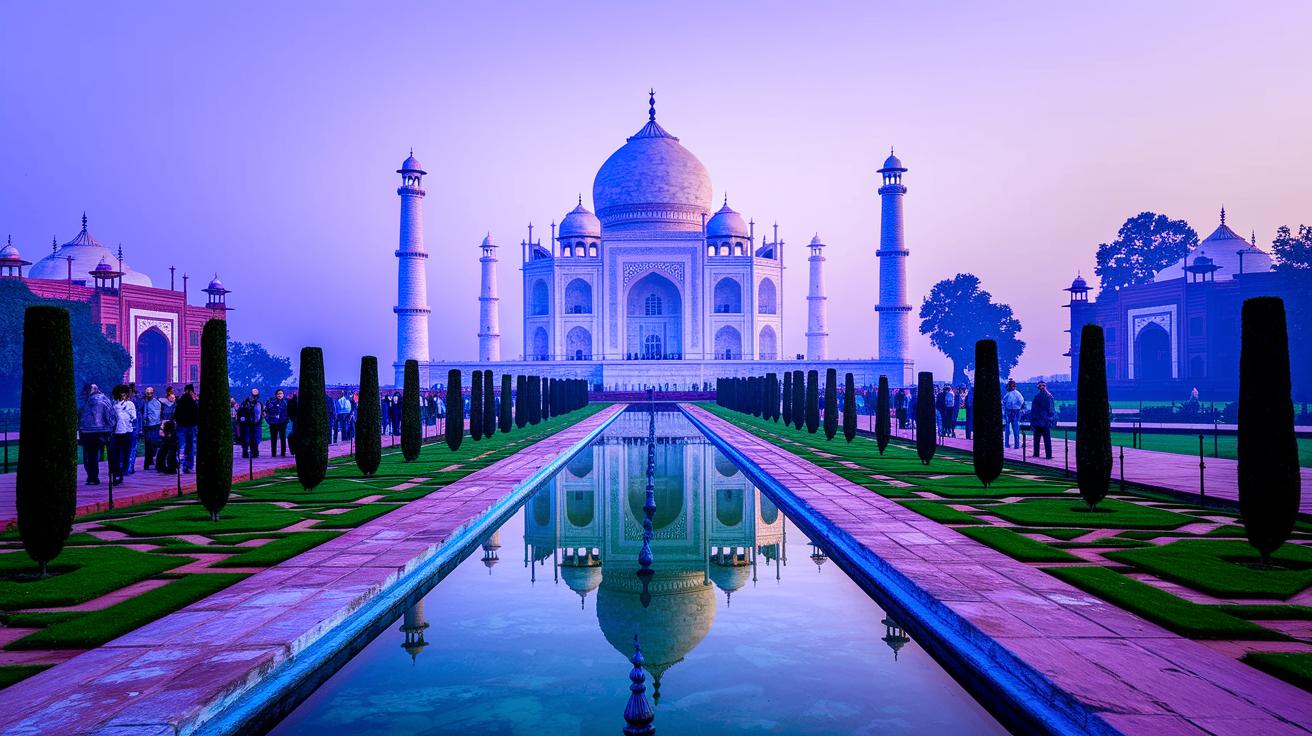
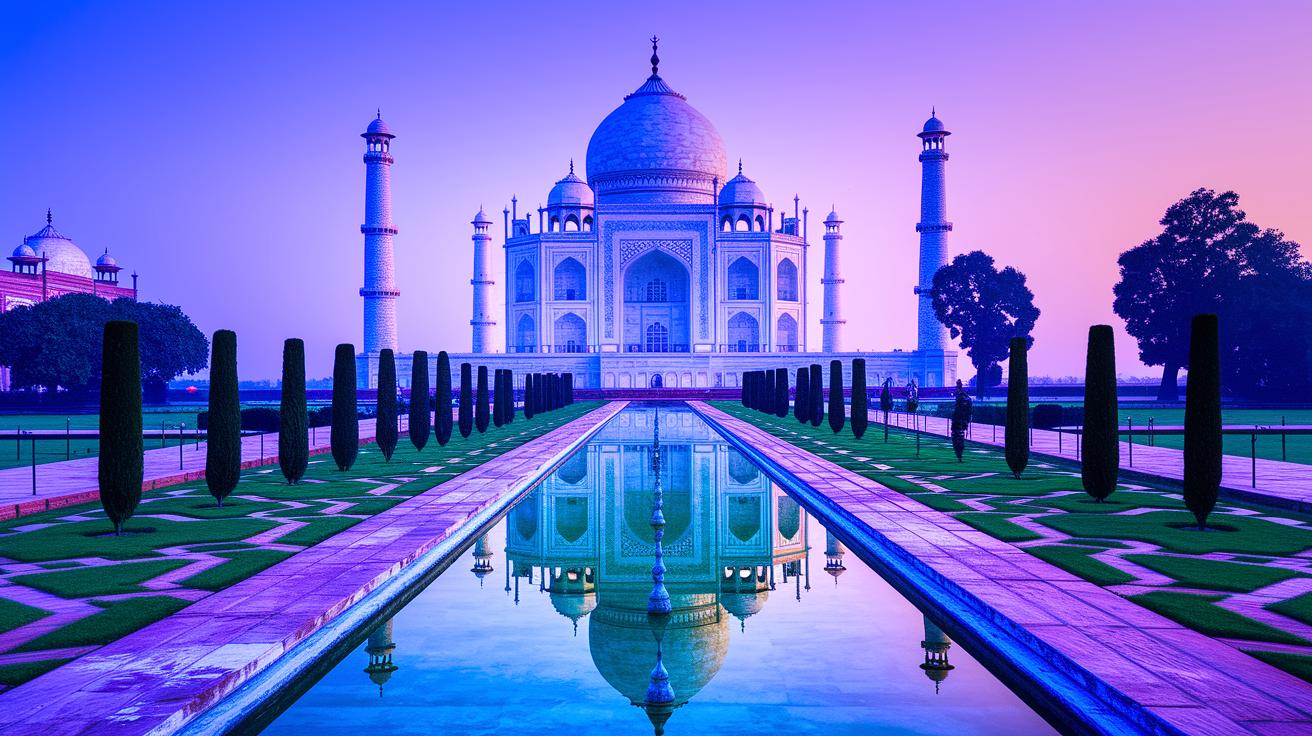
Built way back between 1632 and 1653 by Shah Jahan, the Taj Mahal tells a story of love and creativity. It was created as a monument of love, and craftsmen from all corners of the empire joined forces to bring it to life. It’s amazing to think how different cultures and beliefs came together under one visionary leader.
This wonder is a perfect mix of styles. Imagine a Persian garden full of life and a touch of Indian marble art combined in one place. Quranic verses mix with lotus designs, and the building’s perfect balance makes it extra charming. It’s a clear nod to the incredible skills of its makers and a celebration of many artistic traditions merging into one.
Today, the Taj Mahal stands as much more than an old mausoleum. It’s a living symbol of unity and respect among different cultures. People from around the world continue to be inspired by its graceful beauty and the timeless message of artistic collaboration.
Contemporary Impact and Legacy of Cultural Syncretism
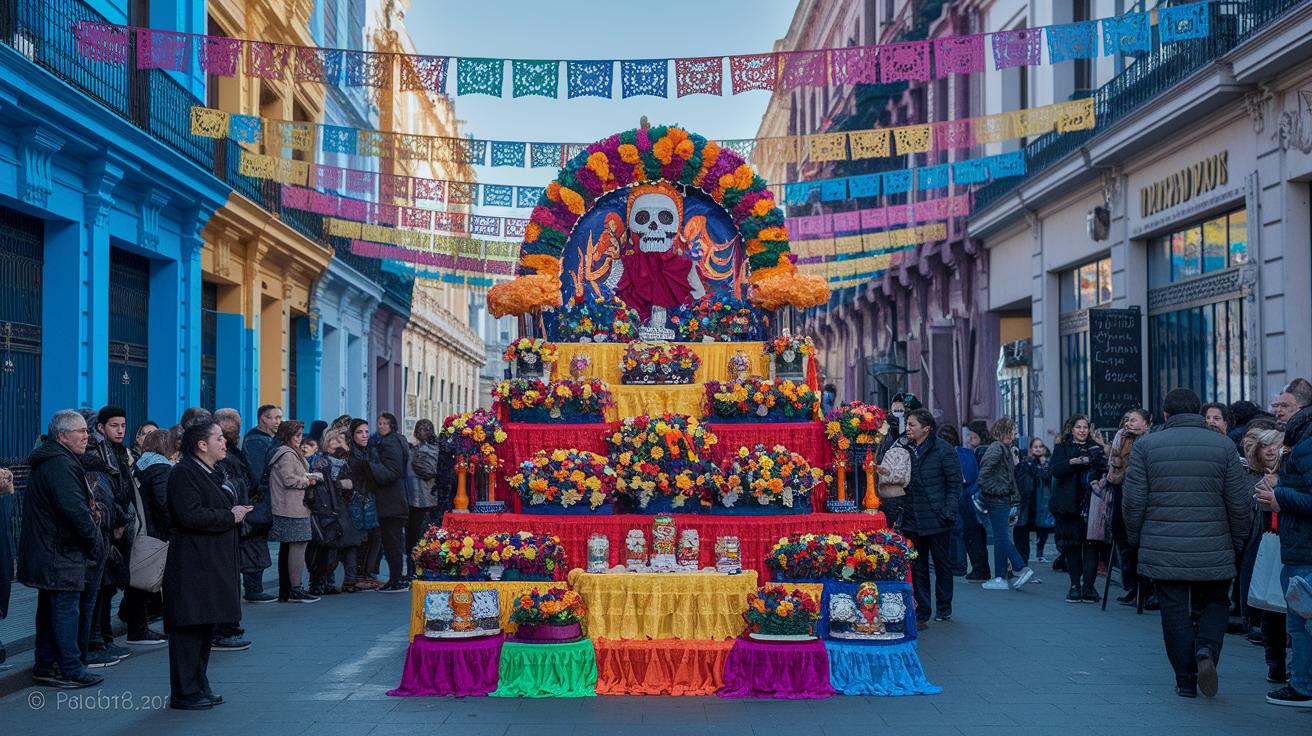
Modern societies are buzzing with the blend of different cultures every day. Festivals like Día de los Muertos burst onto the scene with splashes of old traditions mixed with today's celebrations, lighting up cities with a vibrant, welcoming glow. Across neighborhoods, diaspora groups carefully protect traditions passed down through generations, sparking lively celebrations that pull together family and friends, no matter how far apart they are.
Local street fairs, community gatherings, and friendly chats between different faiths all highlight our shared heritage. It's a bit like mixing your favorite ingredients to whip up a meal that feels both familiar and daring, imagine a classic saying jamming alongside a catchy new beat on a bustling street corner.
Researchers are also taking a closer look at these cultural mashups. They’re diving into how blended beliefs are reshaping social customs and reworking the way we see ethics in our diverse world. Their findings show that as cultures merge, pop culture and community rituals transform into a unified heritage. This journey into our blended past not only deepens our sense of global unity but also sparks creative ideas about the way we build and share our collective identities.
Final Words
In the action, the blog post unraveled the essence of cultural syncretism, examining everything from historical customs merging in diverse regions to the artistry behind icons like the Taj Mahal. It explored how blended traditions shape art, language, cuisine, and even religious practices.
These insights remind us that cultural syncretism remains a driving force in our shared entertainment landscape. Its lively mix of influences inspires new creative expressions, leaving us excited for the next chapter in the evolving story of shared heritage.
FAQ
What does syncretism mean simple?
The term syncretism means blending different traditions or practices into a new mix. It explains how diverse cultural or religious ideas merge to form a unified set of customs.
What is cultural syncretism in AP human geography?
Cultural syncretism in human geography refers to combining diverse cultural elements into everyday practices. It highlights how overlapping cultural influences form a shared heritage in geographic studies.
What examples of religious syncretism exist?
Religious syncretism is seen when traditions mix, like in Santería, where Catholic and Yoruba practices merge, or in holiday symbols such as the Christmas tree, which links ancient winter traditions with modern beliefs.
What are examples of syncretism in Christianity?
Syncretism in Christianity appears when local customs blend with traditional Christian practices, creating new rituals that honor ancient cultural elements alongside established faith traditions.
Is Hinduism an example of syncretism?
Hinduism shows signs of syncretism by integrating a variety of cultural influences over time. Its practices often combine ancient traditions with new ideas, creating a rich, evolving belief system.
What are cultural syncretism non examples?
Cultural syncretism non examples occur when traditions coexist but retain distinct boundaries. In these cases, cultures remain separate without merging their customs or practices into a new synthesis.
How does cultural syncretism impact religious practices in multicultural societies?
Cultural syncretism impacts religious practices by mixing traditions, leading to rituals that reflect a range of influences. This blending allows communities to enjoy a richer, more inclusive spiritual expression in diverse societies.
What examples of cultural syncretism occurred with Chinese in the Mississippi Delta?
Chinese cultural influences in the Mississippi Delta often mix with local traditions, seen in food, language, and daily customs, where Chinese practices merge with regional cultural expressions to create unique blends.
What is syncretism in the Bible?
Syncretism in the Bible appears when biblical narratives reflect local cultural practices. These writings sometimes blend older traditions with emerging ideas, showing how various influences shaped early texts.
What is an example of syncretism in AP world history?
An example in AP world history is mestizaje in Latin America, where European, African, and indigenous customs combined, leading to unique cultural practices that transformed art, language, and social life.