

Have you ever noticed how family traditions feel like little secrets passed down just for you? They carry special ideas and customs from one generation to the next, kind of like a secret handshake between the past and the present.
Every time someone shares a family recipe or tells an old story, it's like learning a cool new dance move from a wise friend. These small moments keep old wisdom alive and connect the generations. In this article, we dive into how these simple acts of sharing build bridges between the old and the new, sparking inspiration that lasts.
Cultural Transmission: Inspiring Generational Wisdom

Cultural transmission is all about passing down ideas, behaviors, and traditions from one generation to the next. It’s like sharing a secret family recipe that gets even better with time. We learn how to navigate life through these timeless exchanges, much like picking up tips from a cherished mentor.
Direct transmission happens when someone older or wiser shows you the ropes. Imagine a seasoned dancer teaching a young star the classic moves right there in the studio. In fact, before one famous choreographer hit the big stage, she learned her first steps in her grandma's cozy kitchen. That simple moment ties generations together.
Then there’s cultural diffusion. This is when ideas and customs spread from one community to another, think of how different families blend cooking styles when they mix at a neighborhood potluck. Everyday interactions make our shared culture richer and more diverse.
Key points include:
| Key Aspect | Description |
|---|---|
| Everyday Interactions | Simple actions, like sharing a recipe or a story, help traditions live on. |
| Direct Teaching | Mentors or elders pass down skills and wisdom through hands-on guidance. |
| Cultural Diffusion | Traditions merge and evolve when people from different backgrounds connect. |
This whole concept lays the groundwork for digging deeper into how we share culture and wisdom in everyday life.
Anthropological and Sociological Theories of Cultural Transmission
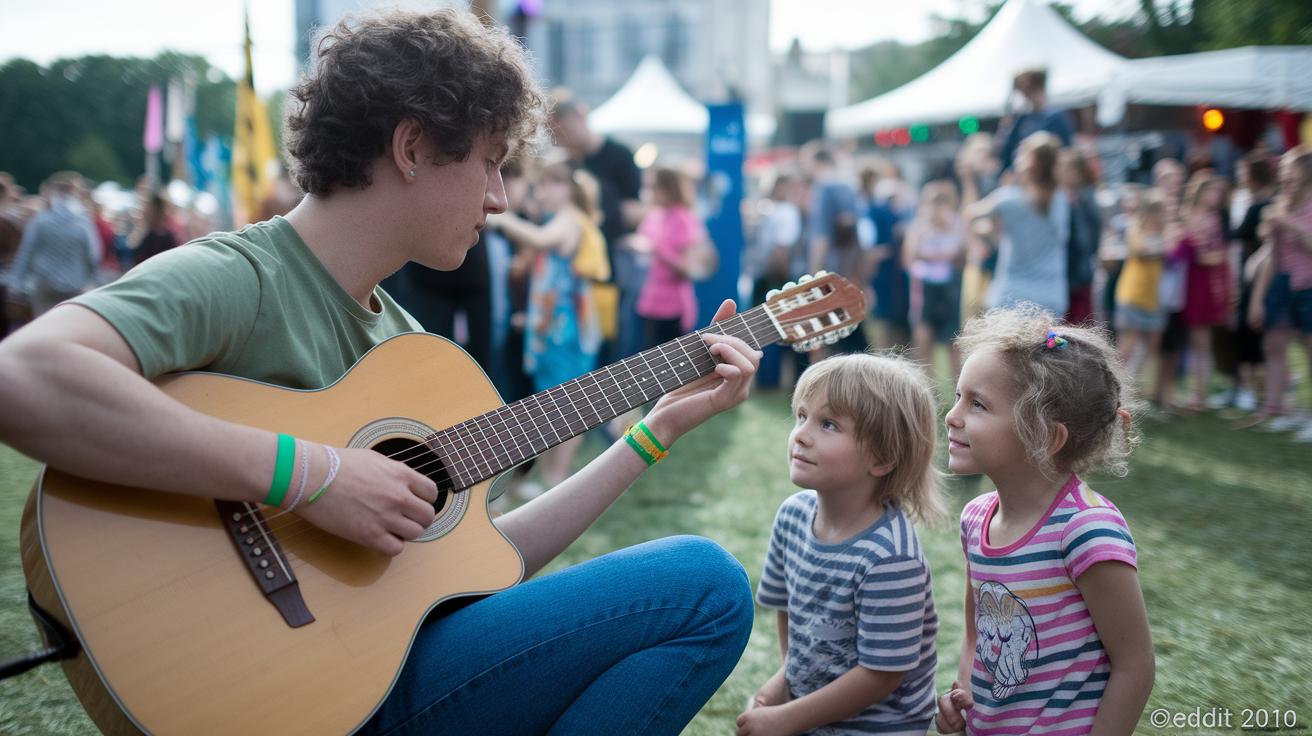
Cultural transmission theory shows us how norms, habits, and behaviors pass from one person to another, almost like how a local musician shares ancient tunes with curious youngsters. It’s the same idea that explains why communities stick together by sharing stories, jokes, and traditions handed down over time.
Anthropology digs into how symbols work to build our world. Think of rituals, art, and language as everyday messengers that communicate deep beliefs. Picture a lively festival where every dance move and melody holds a secret message known only to those who grew up with these customs. It’s like each note and step pulls you into the community’s unique story.
Sociology, on the other hand, looks at how our customs change when different groups mix. As people from anywhere come together, familiar habits can twist into something new and surprising. Imagine your group of friends picking up a quirky phrase from someone else, little by little, it becomes part of your everyday talk. That, right there, is the subtle art of shifting customs.
Now, add evolutionary psychology to the mix, and you see a whole new side of things. It shows that cultural traits aren’t just passed on randomly, they stick around because they help groups bond and thrive. This perspective turns cultural transmission into a dynamic, ever-changing process full of life and unexpected twists.
- Cultural transmission theory explains how behaviors, whether common or offbeat, spread through our social circles.
- Anthropology spotlights the magic of symbols and rituals.
- Sociology shows how everyday interactions reshape our customs over time.
Key Types of Cultural Transmission in Human Societies

Vertical transmission is all about passing down special traits from one generation to the next through family bonds. Think about a grandmother sharing the secret techniques of indigenous pottery with her grandkids. Fun fact: In some communities, over 70% of traditional crafting methods are taught by family members, keeping a unique cultural flair alive.
Cultural learning happens when folks pick up new customs by watching their peers or mentors outside the family circle. Look at urban art scenes where a single mentor’s graffiti style can inspire dozens of young artists. Fun fact: Major cities see street art styles influenced by one mentor sparking a wave of creativity among emerging artists.
Enculturation is the ongoing process of soaking up values and traditions, a bit like blending the old with the new. In today’s classrooms, teachers mix in traditional folklore with digital storytelling to create a cool bridge between past and present. Fun fact: Some modern folktales now combine age-old stories with tech-driven twists, proving that tradition can evolve without losing its soul.
• Vertical transmission leans on family bonds to keep unique practices safe.
• Cultural learning spreads trends through friendly peer interactions and guidance.
• Enculturation mixes classic traditions with modern methods to keep our heritage thriving.
Mechanisms of Social Learning and Enculturation Dynamics

Recent studies show that learning by watching others is about more than just copying moves. Imagine a local art group that shifted its style completely thanks to spontaneous feedback from peers, an innovation no formal lesson could ever capture.
Psychological ideas, like those from Social Cognitive Theory, tell us that role models change our behaviors when we feel a real connection with them. Think of a dancer who, after catching a live performance, feels an instant spark that turns casual interest into a passionate pursuit. It’s a mix of natural empathy and lessons picked up along the way.
Cultural backgrounds also shape the way traditions grow. In some communities, family customs blend with local vibes to create unique practices, while in other groups, a burst of spontaneous peer influence ignites fresh cultural expressions. Picture a neighborhood where artistic efforts bloom naturally during local celebrations, giving rise to unscripted, energetic performances.
- Watching others now brings emotional depth.
- Role models shape behavior when you truly feel connected.
- Different cultural influences can drive age-old traditions in exciting new directions.
A deeper look at these ideas paints a vivid picture of how our actions and traditions adapt and thrive in many different social settings.
Historical and Case Study Examples of Cultural Diffusion
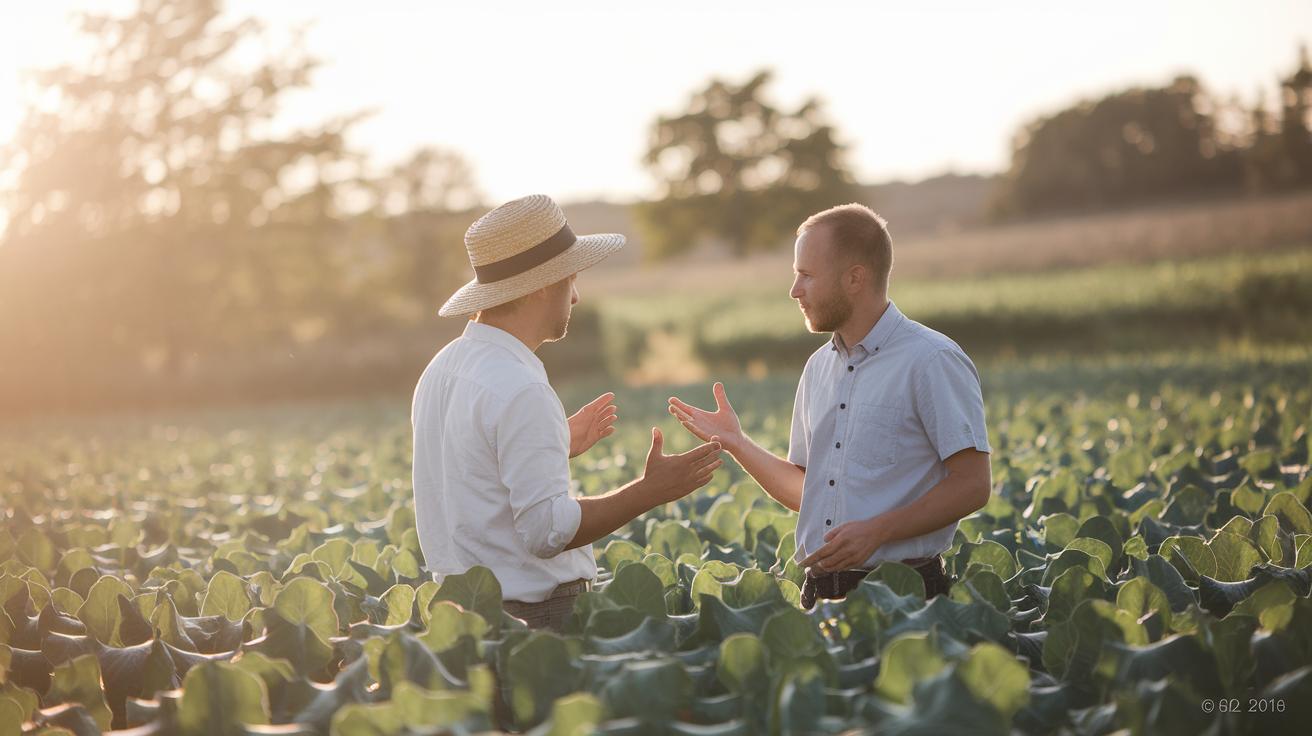
Back in the day, early farmers in the Neolithic era took their new ways of farming on the road. Between 10,000 and 6,000 BCE, people moving across Eurasia exchanged methods for growing crops, sparking fresh food traditions and changing where and how they lived. It’s a lot like a family recipe getting passed down and tweaked by each generation. Imagine a pioneer farmer borrowing techniques from far-off lands and mixing them into a brand-new style.
The Japanese tea ceremony is another great example of how ideas can blend over time. What started as old Chinese monastic practices in the 12th century slowly picked up Zen Buddhist and samurai influences. Over time, all these elements came together to form a unique art, a bit like a classic dance that gets updated with modern moves while keeping its soul intact.
African diaspora religions show a vibrant mix of cultures too. In practices like Vodun and Santería, West African spiritual beliefs merged with Catholic symbols due to the heavy push of colonial times. Think of it as mixing two different flavors to create something richer and more exciting.
Then, technology stepped in to speed things up even more. The printing press in the 15th century, radio in the 20th century, and now the internet have all helped ideas, language, music, and fashion jump across the globe in no time at all. What used to take decades now happens in just a few hours!
Intergenerational Transfer and the Formation of Cultural Identity

Family rituals like holiday celebrations and coming-of-age events aren’t just dates on the calendar, they light up our lives with shared values. Imagine a family get-together where the warm aroma of a classic recipe fills the room while every song and chant links you back to your roots. These moments plant little seeds that blossom into a lasting sense of belonging.
Our ethnic identity comes to life when we embrace cherished symbols like our traditional language, favorite outfits, or secret family recipes passed down by elders. Think of a simple family dinner, it’s like hearing a beloved story each time you gather around the table, keeping time-honored traditions alive.
Beliefs handed down from one generation to the next evolve through both formal lessons and informal chats with loved ones. Picture elders sharing life nuggets during easygoing storytelling sessions or at community gatherings, each shared word adds a new layer to who we are.
Local festivals and storytelling events bring us even closer to our roots. They’re like living libraries, where every dance step, tune, and spoken word echoes with memories of past triumphs and traditions, continuously shaping the essence of our identity.
Media-Driven Shifts and Digital Era Cultural Transmission

Social media is totally changing how we share culture. Memes, catchy tunes, and even new slang buzz around the world in just a few hours. Ever notice how a meme can spark global trends before you even finish your morning coffee? In this fast-moving digital age, old borders start to blur.
Streaming services and online education are turning our screens into global stages. They let us explore fresh stories and ideas from far-off places, mixing traditions old and new. Imagine watching a live show where traditional rhythms meet modern beats. Cool, right?
Everyday culture is getting a whole new makeover thanks to globalization. Think of a chef mixing recipes from three different cultures to whip up an entirely unique dish. Fusion fashion, creative cuisine, and media in multiple languages are now part of city life. It’s like a vibrant remix of tastes and trends.
Digital archiving and virtual reality are also playing a big role. They help preserve endangered traditions and let communities reconnect with their roots. It’s like having a digital treasure chest that keeps these cultural gems alive.
- Social media drives rapid shifts in cultural values.
- Streaming platforms mix fresh ideas with old traditions.
- Global interactions bring new perspectives into everyday life.
- Modern tech keeps multicultural influences vibrant.
Final Words
In the action, we unraveled how cultural transmission shapes our shared customs through generations and spreads ideas through various channels. The post broke down core theories, key types of transmission, and modern media influences that keep our cultural pulse strong.
We took a close look at everyday social learning and historical examples that color our world of traditions. The insights remind us that passing on values and practices helps us stay connected and celebrate our evolving entertainment scene.
FAQ
Q: Cultural transmission examples
A: The cultural transmission examples include family traditions, storytelling, traditional crafts, and rituals passed across generations, helping maintain shared values and a sense of identity.
Q: Cultural transmission in language
A: The cultural transmission in language happens as dialects and expressions are taught from one generation to the next through family conversations, community interactions, and educational practices.
Q: Cultural transmission in sociology
A: The cultural transmission in sociology explores how social norms, behaviors, and values spread through communities via everyday interactions and social institutions, shaping the fabric of society.
Q: Cultural transmission theory
A: The cultural transmission theory explains how ideas, behaviors, and customs move between generations by both explicit teaching and subtle social influences, which helps shape cultural identities.
Q: Cultural transmission synonym
A: The cultural transmission synonym refers to culture sharing, describing the process where traditions, customs, and practices pass between individuals and groups over time.
Q: Cultural transmission in education
A: The cultural transmission in education takes place as educational systems and informal learning environments pass on language, traditions, and values, cultivating personal and communal identities.
Q: Cultural transmission psychology
A: The cultural transmission psychology focuses on how individuals absorb behaviors, values, and beliefs from their surroundings by observing and interacting with family, peers, and media influences.
Q: Cultural transmission PDF
A: The cultural transmission PDF usually offers a downloadable resource that explains how cultural traits and practices are passed along, detailing theories and examples for further study.
Q: What is the meaning of cultural transmission?
A: The meaning of cultural transmission is the process by which cultural traits, customs, and values are passed from one generation to the next, forming the basis for shared social identities.
Q: What is an example of culture being transmitted?
A: An example of culture being transmitted is a family passing down traditional language and holiday rituals, where stories and practices build a strong sense of cultural belonging.
Q: What is an example of cultural transmission theory?
A: An example of cultural transmission theory is observing how family and school settings spread social norms, where both deliberate teaching and everyday interactions shape behaviors over time.
Q: What is the cultural transmission of human language?
A: The cultural transmission of human language involves the ongoing process where languages and dialects are passed on through social interactions, educational systems, and family communication, keeping them alive.