

Ever notice how some folks dive into culture like seagulls at a beach picnic? We call them cultural vultures because they're quick to grab art for profit rather than celebrate its heart. This playful phrase paints a clear picture of people chasing the latest trends instead of making something truly original. In this post, we're digging into where the term comes from and what it really means today. Stick with us for a fresh, behind-the-scenes look at the tug of war between creative passion and the pull of profit.
Understanding the Term “Cultural Vultures”: Definition & Context
Ever wonder how the term cultural vultures came to be? It started as colorful street talk that painted a picture of people who swoop in much like real vultures. Just as a vulture glides in the sky, waiting patiently for a meal, these folks are ready to grab any chance to profit from the hard work of creative minds. Think about it like this: in nature, vultures don’t chase down their food; they simply take what’s left behind.
Today, when someone uses the term cultural vultures, they are talking about people who twist cultural treasures for personal gain. These individuals often take pieces of cultural heritage and strip them of their true meaning to earn a quick profit or boost their status. In the lively world of pop culture, this phrase is a way to call out practices that favor showing off over staying true to the art itself.
Historical Roots of “Cultural Vultures”: From Slang to Social Critique
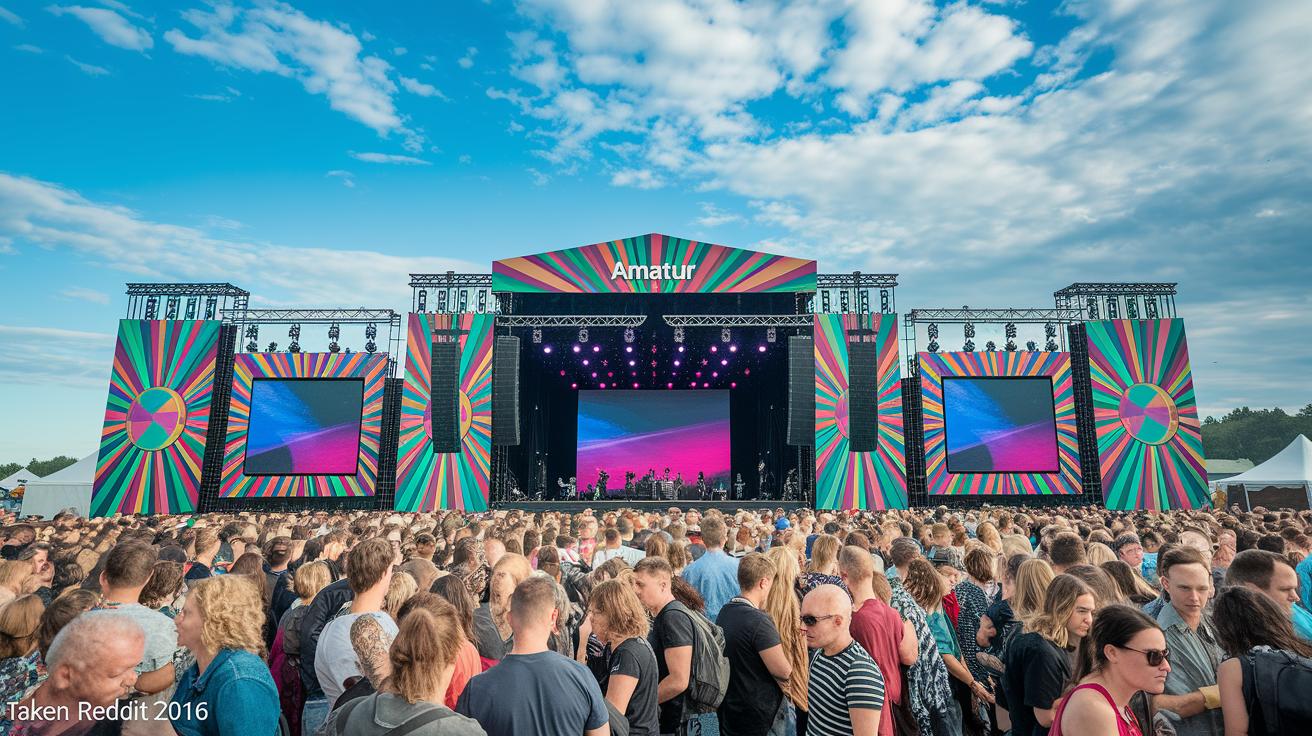
Back in the 70s and 80s, British music writers and scholars casually dropped this term, painting a vivid picture of people who roamed like scavenging birds. They described these individuals as if they were circling over scraps of art, poking fun at those who grabbed cultural symbols without any real respect. One reviewer even said they were like a "folk leech slipping through the shadows," living off what others had left behind. It almost felt like you were hearing an insider secret straight from a dimly lit backstage conversation.
By the 1990s, as pop-culture debates heated up, the term took on a whole new life in media circles. Critics began using it to shine a light on how cultural icons were being turned into products, arguing that these tradition exploiters were no longer just background figures but had become central to the debate about what really matters in art. With the rise of big markets and sharper media focus, the phrase evolved into a quick way to call out actions that stripped deep cultural meanings and replaced them with empty commercial beats.
Cultural Vultures in Action: Modern Examples Across Music, Fashion & Media
Pop culture today is buzzing with moments when cherished traditions get repackaged to catch the public’s eye. Take the headline "Culture vultures in rap: Preying on carcasses" for example, it hints that a genre rooted in rich Black heritage is shifting toward a catchier, mass-market vibe. From Vanilla Ice in the 1990s to new faces now, it seems that selling cultural treasure for profit is still very much alive. Remember that cool tidbit: "Before making it big, that renowned rap artist used to perform in local neighborhood battles, unknown to the bigger industry waiting around the corner." It reminds us how pure community spirit can become just another slick product in the downtown marquee of mainstream media.
- Music (rap/pop): The deep, soulful roots of rap are getting swapped for catchy, market-driven beats.
- High-end fashion labels: Traditional designs get a luxury twist, often losing a bit of their original charm.
- Food-fusions at festivals: Local culinary flavors mix with trendy tastes, serving up unexpected dishes.
- Blockbuster film remakes: Culturally rich tales are transformed into predictable, formulaic Hollywood shows.
- Social-media challenges: Viral memes and dances borrow from old cultural moves without the proper nod.
- Heritage tourism operators: Local traditions are packaged as tourist attractions, sometimes missing the real essence.
- Museum exhibitions: Artifacts are showcased for their visual appeal instead of their full, authentic cultural story.
These snapshots shed light on how different industries tap into precious cultural elements, often stripping away unique stories to fit a familiar, commercial mold. In the end, it all makes you wonder: Who truly benefits when culture gets repackaged?
Debating Cultural Vultures: Criticism & Counterarguments

Some folks say that cultural vultures work like modern pickpockets, taking traditions and selling them for quick cash. They argue that these critics turn deep cultural expressions into flashy products, losing the rich history behind them. I once heard an activist mention, "Before their art hit the big time, creators nurtured their passion in tight, supportive communities, only to see that foundation diluted by corporate giants." Many believe that rebranding culture just for profit pushes aside voices that deserve to be heard, leaving communities without the recognition they need. This idea sparks fierce debates among defenders who are determined to keep cultural integrity intact.
Social Justice Perspectives
Activists and scholars often see cultural vultures as a driving force behind growing inequality. They point out that when cultural elements are snapped up and repackaged without proper context or credit, the original communities get erased. It’s a real worry for those who feel their identity is being compromised just for the sake of trendy appeal. Critics say that turning rich cultural symbols into marketable products not only robs them of their true meaning but also deepens social divides. Many voice a strong belief that honoring the true origins of creative expressions is key to maintaining both heritage and fairness in society.
Cultural Exchange Advocacy
On the flip side, some argue that sharing ideas across cultures can lead to amazing, fresh conversations and creative breakthroughs, if it’s done respectfully. Proponents of cultural exchange believe that when you give credit where it’s due, the mix of ideas can feel like a true celebration of our shared human experience. Artists from different backgrounds often join forces, sparking innovation that feels organic and consensual rather than exploitative. They say that open dialogue and honest acknowledgment can turn what might seem like appropriation into a creative collaboration that benefits everyone.
The Social Impact of Cultural Vultures on Communities
Recent findings from the Cultural Finance Council show that when creative opportunists step in, communities can lose about 15% of their earnings. Uncredited creators miss out on the support they deserve. In New Orleans, a study revealed that artisan markets lost over $200,000 in a single year because designs were taken without proper credit. This cut in revenue makes it really tough for local talent to reinvest and keep their craft flourishing.
A 2022 survey by The Heritage Institute found that 40% of people in these communities felt more detached from their cultural traditions. They said that when traditions are transformed into trendy events, the true meaning gets lost. For example, community leaders in a Midwestern town noticed that the push to commercialize age-old heritage events changed long-standing rituals. This shift has led to growing distrust across generations and even started to alter their sense of identity, as new local studies highlight.
Mitigating Cultural Vulture Behavior: Ethical Engagement & Best Practices

Businesses can set a respectful tone by creating clear rules that keep exploitative practices in check. One smart idea is offering fair agreements where creators earn a share of the profits, much like that secret deal that helped a local artist shine behind the scenes.
Community connections matter too. When companies team up with the original keepers of cultural traditions, every project honors those rich roots. Plus, sharing profits evenly through revenue-sharing plans makes sure every creative voice gets its deserved nod.
On a personal level, doing a bit of homework before using any cultural element really goes a long way. Take a moment to understand its origins and always credit the true source. And don't be shy about boosting genuine voices, sharing stories that reveal the real meaning behind cultural expressions makes a big difference.
Final Words
In the action, this post took us on a ride from the phrase’s origins to its modern-day spotlight on music, fashion, and more. We unraveled how cultural vultures spark debate with both criticism and praise, weighing economic and cultural harms with calls for ethical engagement. Each section helped paint a vivid picture of this phenomenon and left us with a sense of empowerment to make thoughtful choices. Enjoy the bright side of staying informed and tuned into evolving trends!
FAQ
What is a culture vulture?
The term “culture vulture” refers to someone who exploits cultural elements for profit or status by taking ideas or symbols without giving proper credit to their origins.
Is a culture vulture considered bad?
A culture vulture is often seen as problematic because they take cultural symbols or ideas and use them for personal gain, which can disrespect or dilute the original meaning.
What are some examples of culture vultures in action?
Examples include cases in music, fashion, film, and even food fusions at festivals where individuals or companies profit by using cultural elements without honoring their true significance.
How is the term “culture vulture” defined in Urban Dictionary?
In Urban Dictionary, a culture vulture is defined as someone who borrows cultural symbols or ideas without respecting their original context, often for personal or commercial benefit.
What is the cultural significance of using the vulture in this idiom?
The vulture symbolizes a predator that preys on valued resources, suggesting that culture vultures exploit cultural treasures without understanding their deep meanings.
What does the idiom “culture vulture” imply?
The idiom implies a person or entity that takes cultural elements for personal gain, often ignoring the traditions and values that these elements represent.
What are the Thermionic Culture Vulture products?
Thermionic Culture Vulture products, like the Stereo Valve Enhancer, Super 15, Rooster 2, Phoenix Standard, Phoenix Mastering Plus Compressor, and Earlybird 4, are audio tools celebrated for blending innovative design with cultural reference in sound technology.