

Have you ever wondered how a plain stage can suddenly become a dazzling scene that feels almost magical? Fashion show designers are the creative wizards behind every amazing runway moment.
They mix smart planning with a burst of imagination to turn simple ideas into show-stopping events. Think of it as architect-like precision meeting creative flair, where mood boards and carefully chosen lights bring out pure elegance.
This post dives into how these designers carefully craft each detail into a glowing display of style that surprises and sparks conversation.
How Fashion Show Designers Bring Runway Visions to Life
Fashion show designers mix creativity with technical smarts to turn runway dreams into reality. They handle everything, from mapping out mood boards and planning stage layouts months ahead to running the backstage buzz. Think of them as architects who sprinkle a bit of magic on every detail. Fun fact: one designer transformed a plain space into a dazzling wonderland that left everyone speechless!
These creative pros use a blend of set design, clever lighting that makes every fabric pop, cool sound effects, and stylish touches to create an immersive show. They learn their craft through hands-on courses and seminars, which helps them balance wild ideas with solid technical skills. Picture stage lights that dance over luxurious fabrics while the perfect beat makes every step feel like a spotlight moment.
In the final act, designers collaborate closely with stylists, technical crews, and production teams to bring it all together. They sync every element to turn abstract ideas into a live, pulsating celebration of fashion, one where the audience feels every bit of the designer's vision with each beat and brush of light.
Couture Runway Concept Planning by Fashion Show Designers
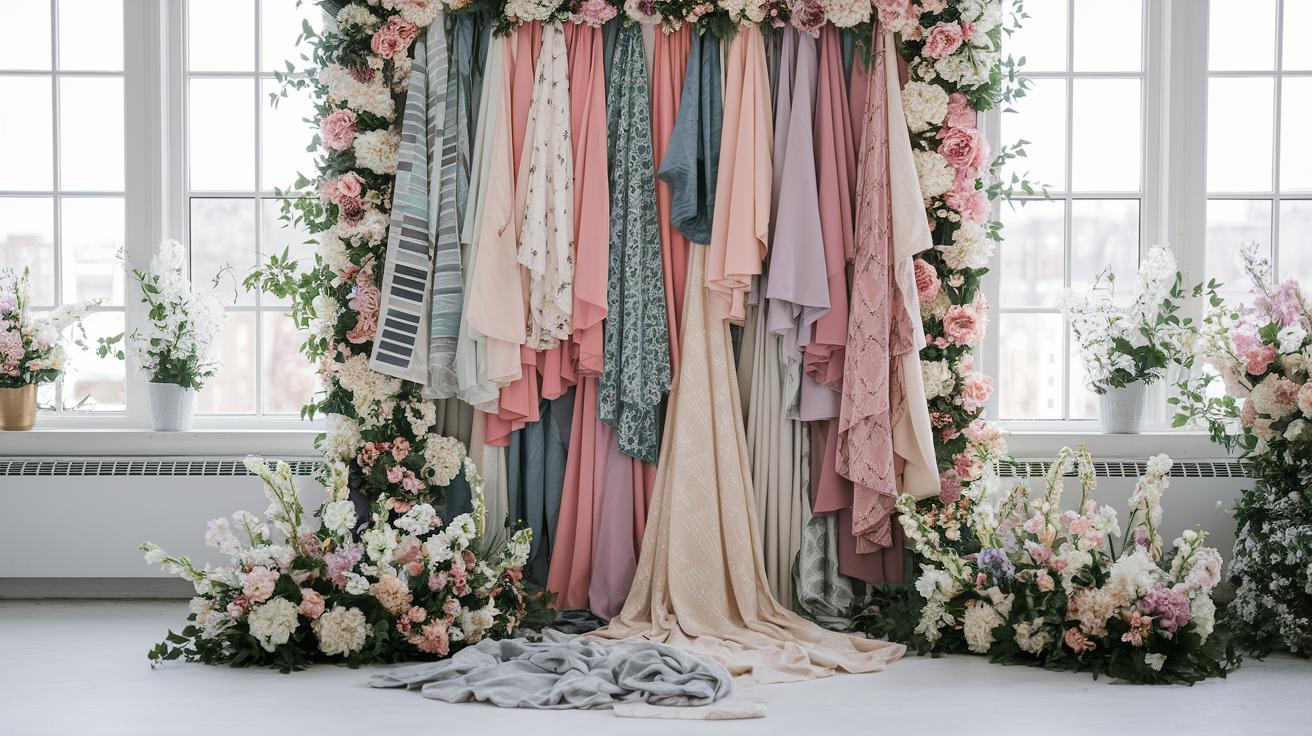
Fashion show designers start by turning a brand's unique style into a visual masterpiece. They put together mood boards that mix textures, colors, and images to tell the story behind a designer label. For example, when working with a timeless heritage brand, they might blend classic hues with a modern twist to inspire new ideas. This creative kickoff sets the vibe that guides every decision along the way.
Once the mood and themes are clear, the next step is mapping out a timeline, usually over 6 to 12 months. Designers run interactive workshops to dive into the brand's story and explore visual storytelling. They gather sketches, color swatches, and styling tips, much like piecing together a puzzle where every detail counts.
With the creative vision in place, the focus shifts to budgeting and coordinating with vendors. Typically, about 30 to 40% of the total budget is set aside to secure the perfect venue, lighting, sound, and other technical gems. They carefully choose partners who share their passion and can deliver top quality. This is where creative dreams meet practical planning, ensuring a smooth production that stays true to the brand’s spirit.
| Key Stages |
|---|
| Brand narrative workshop |
| Mood board & color palette development |
| Vendor & venue scouting |
| Budget breakdown & scheduling |
| Final theme approval & logistics briefing |
Collaboration Practices of Fashion Show Designers and Creative Teams
Fashion show designers kick off the process by handpicking models who not only have the right experience but also exude the perfect vibe for the brand. They search for runway stars who naturally bring the designer's vision to life, blending charm and style. For instance, one designer chose a model celebrated for her graceful, confident stride, a match made in fashion heaven for a bold new collection.
In spirited styling sessions, designers get in sync with their stylists to polish every wardrobe detail. Picture a lively backstage where ideas flow and tweaks happen on the fly. They mix today’s hottest trends with practical outfit choices to ensure each look pops on the runway and tells its own story.
And then comes the magic touch. Makeup, hair, and choreography experts join forces, making sure every bit of the presentation works in harmony. Their teamwork, from flawless makeup to perfectly timed choreography, creates a dazzling, unforgettable runway experience.
Visual Stage and Audiovisual Design Strategies for Fashion Shows

Stage and audiovisual design set the vibe for every fashion show. Designers see each venue as a blank canvas where they use light and cool decor to create an immersive runway experience. They map out the space so that every detail, from a clever light trick to a standout prop, guides your eyes and makes the collection pop. Imagine a plain room transformed into a visual wonderland, with every step flowing like a scene from a movie.
Integrating event lighting, a tailored soundscape, and smart set decoration isn't just about tech details, it’s about building the right mood to match the clothing. Designers pick lighting that brings out the texture of fabrics while the sound beats tie in with the models’ strides. They even choose decor that weaves in the brand's story. Every element, even if it takes up a big piece of the budget, delivers a look and feel that is both bold and heartfelt.
| Element | Purpose |
|---|---|
| Stage Layout | Directs model flow and guides where you should look |
| Lighting Design | Creates the mood and highlights the details in garments |
| Soundscape | Sets the pace and atmosphere for the show |
| Backdrop & Props | Strengthen the theme and tell the brand’s story |
When all these elements come together, every light flash and beat of the music works in harmony to lift the runway experience. Designers mix careful planning with bursts of creative inspiration to ensure that even the smallest detail leaves you truly mesmerized.
Emerging Innovations in Fashion Show Designer Production
Fashion show designers are diving into the digital scene with virtual and augmented reality runways that pull you right into the action. Imagine stepping into a dream where every model’s walk reveals fresh styles and perspectives, making you feel like you're front row.
State-of-the-art set pieces now come with motion tracking that follows each move on stage. Tiny sensors adjust lighting and visuals live, so the show feels ever-changing and electric, like the stage itself is part of the performance.
Sustainability is stealing the spotlight too. Designers are mixing in eco-friendly materials like recycled fabrics and low-energy lighting, blending responsible choices with creative flare. It’s fashion that cares about the planet, adding a cool twist to each look.
Live global streaming is also rewriting the rulebook. Thanks to real-time broadcasts, fans around the world can enjoy the show as it happens, creating a shared moment of excitement that spans continents.
Plus, data-driven tools are letting designers tweak the magic as the show unfolds. By checking what’s catching the audience’s eye and listening to real-time feedback, the team can fine-tune every detail to keep the vibe fresh and engaging.
Portfolio Presentation and Collection Reveals by Fashion Show Designers
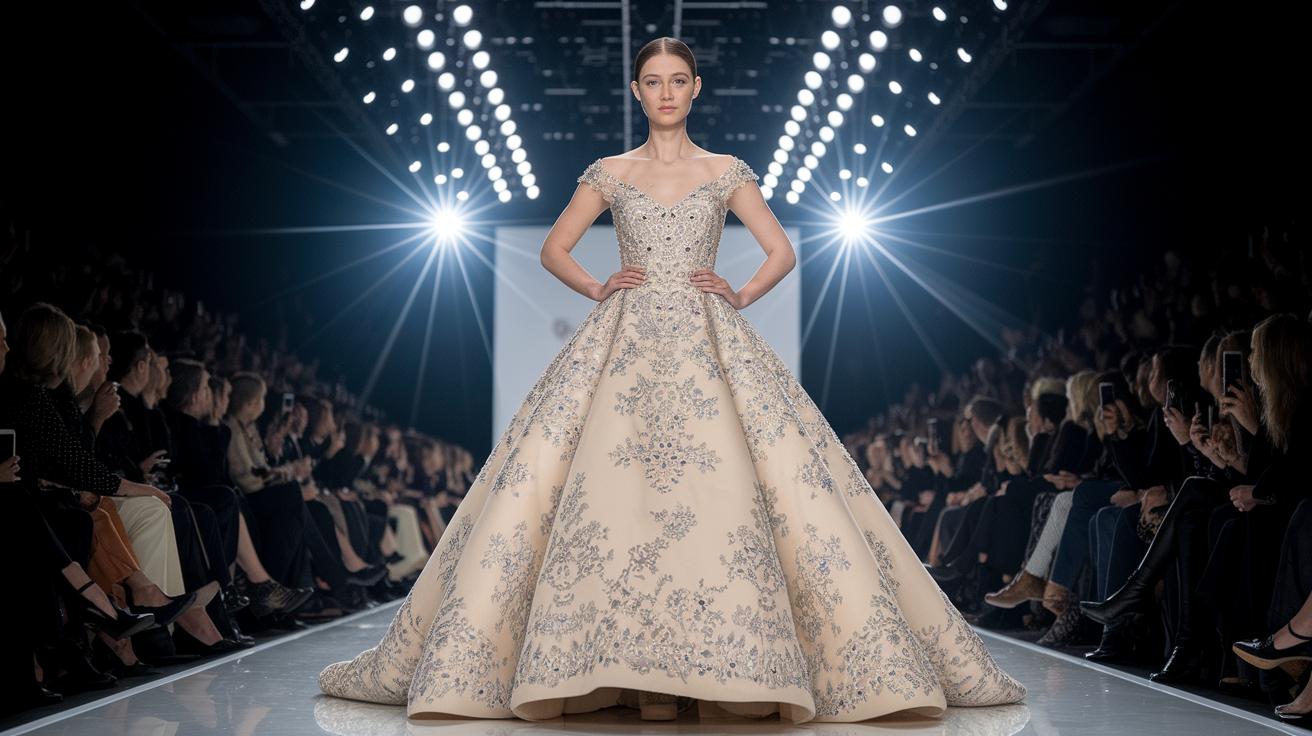
Fashion show designers build their portfolios like online galleries that show off their creative journey. They mix lookbooks, video reels, and interactive exhibits to celebrate past work while teasing new collections. Imagine opening a treasure chest filled with bright snapshots and behind-the-scenes stories. Every piece, from rough sketches to final runway moments, tells part of the journey.
Live reveal events are planned to capture every eye. They feature cool runway walks, close-up shots that highlight every detail, and live designer commentary that explains each piece. Picture a model strutting confidently while the camera zooms in on a stunning embroidered detail. This blend of movement and focus turns a simple showcase into a show-stopping reveal.
Exclusive brand showcases take things up a notch with invite-only previews, detailed press kits, and fun post-show chats. These events not only highlight the designer's work but also give fans a rare peek behind the scenes and into the creative process. It’s like getting a backstage pass to see how inspiration and hard work come together on the catwalk.
Final Words
In the action, we saw how fashion show designers blend creative flair with detailed planning to create unforgettable runway moments. The post unraveled the planning stages, team collaboration, and innovative staging that shape these spectacular events. We explored everything from concept development to integrated audiovisual design, all backed by meticulous coordination. Every detail counts when it comes to a fashion show designer bringing a vision to life. This insight leaves us feeling inspired and ready for the next wave of live entertainment magic.
FAQ
Q: What is a designer fashion show?
A: The designer fashion show illuminates top collections with creative stage designs and precise technical production, merging innovative art with expert event management to deliver a captivating viewer experience.
Q: Who designs sets for fashion shows?
A: The professional set designer for fashion shows works closely with creative teams, using architectural insights to craft dynamic backdrops that smoothly integrate lighting, sound, and designer vision onto the runway.
Q: How can I become a fashion show set designer?
A: The path to becoming a fashion show set designer involves taking accredited production and design courses, gaining practical experience, and collaborating with stylists and technical teams to sharpen your creative skills.
Q: What are key trends in current fashion runway shows and events?
A: The latest fashion events feature immersive digital experiences, global streaming, and innovative staging setups, with shows like Fashion Week and Vogue Runway pushing creative boundaries and inspiring future collections.
Q: Where can I find a comprehensive list of fashion designers?
A: The comprehensive names A-Z list of fashion designers is available in curated directories, offering detailed profiles to help enthusiasts and professionals explore top talents in the fashion industry.