

Ever wondered if an event can feel just as lively online as it does in person? Hybrid events mix the energy of being there with the ease of joining from anywhere, connecting friends near and far. When safety concerns shut down many gatherings, event planners got creative by blending live shows with digital fun. This way, everyone can join in on the excitement no matter where they are. In this article, I'll break down how these events work, share the cool perks, and offer smart tech tips to help you create an unforgettable hybrid experience.
Understanding Hybrid Events: Definition, Benefits, and Core Structure
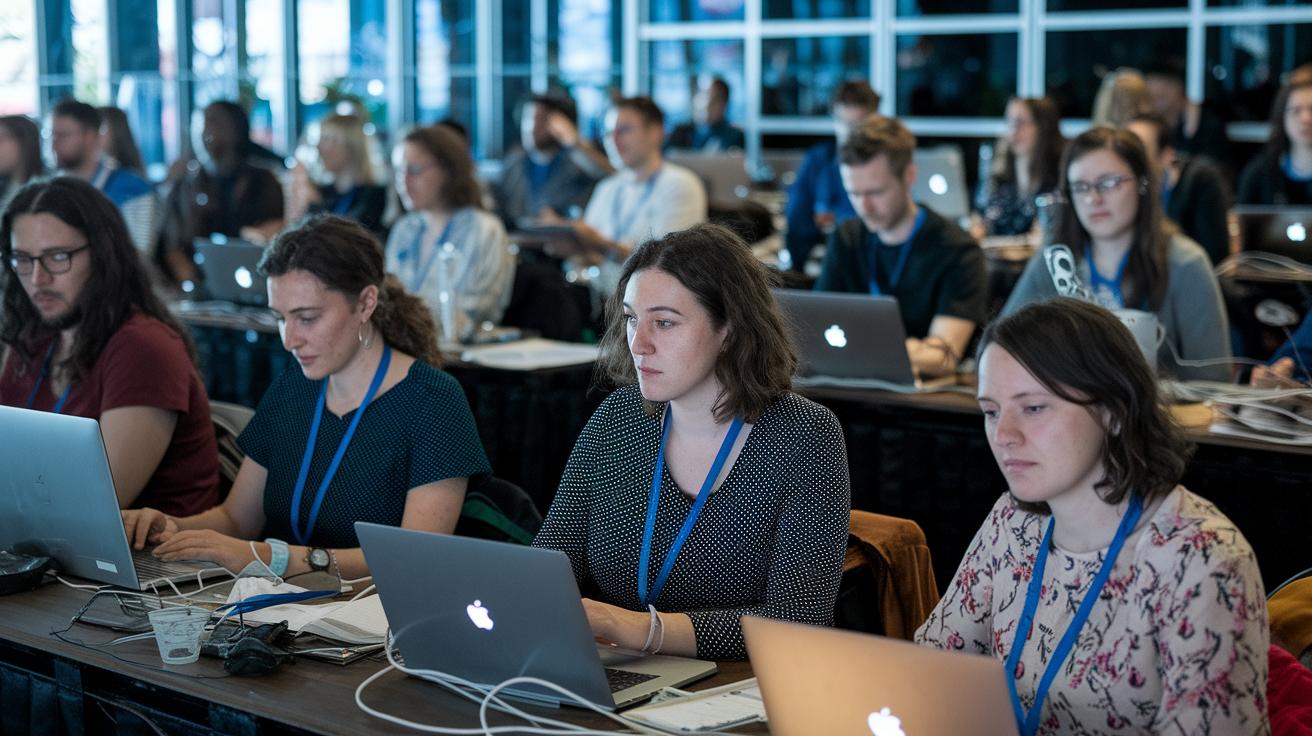
Hybrid events blend face-to-face meet-ups with online experiences so that people can join in person or from the comfort of home. When the world shut down during COVID-19, event organizers got creative to keep everyone connected, even if they couldn’t gather in one spot. Imagine a local charity fundraiser that moved from a community hall to a live-streamed experience where everyone felt part of the action. This fresh approach grew out of the need to stay connected when going out wasn’t always possible.
Hybrid events come with a bunch of cool benefits. Here are six big perks:
| Advantage | Details |
|---|---|
| Broader Reach | Connect with audiences from all corners at once. |
| Boosted Engagement | Interactive live polls and Q&A sessions keep everyone in the loop. |
| Useful Data | Gather insights through active discussions for future improvements. |
| Eco-Friendly | Less travel means a smaller carbon footprint. |
| Double Sponsor Exposure | Sponsors enjoy spotlight moments with both local and global audiences. |
| Tech Advancement | Event planners have sharpened their tech skills, enhancing every experience. |
Organizations are quickly switching to hybrid events because they maximize attendance and let everyone feel included. By mixing physical and digital elements, these events create dynamic, memorable experiences that resonate with diverse audiences and keep the excitement alive, even when times are tough.
Hybrid Event Planning Strategies: Roadmap to a Seamless Experience

Planning a hybrid event is like hosting two parties at once, one live and one online. It can feel a bit like running two shows, where every detail counts. You need to blend modern tech with classic event planning so both in-person and online guests can have a blast. It's all about thinking like an event producer, making sure every part of the day hooks both sets of audiences.
Start by setting clear goals for both your live and virtual guests. Next, choose a hybrid format and the right platforms that match your event size. Then, put together a budget that covers everything from tech needs to on-site costs. Map out a schedule with sessions ranging from 15 to 60 minutes, keeping your audience mix in mind. And if you need extra hands, consider teaming up with an event production service.
Remember, you want to cater to both groups. In-person guests might enjoy hands-on activities, while online participants can dive into interactive digital sessions. By tailoring each part of your program, every attendee can feel like they’re part of something special. When you sync up your content, community, sponsorship, and data tracking, you’re on your way to creating an event that leaves a lasting impression for everyone.
Hybrid Event Technology Trends and Tools
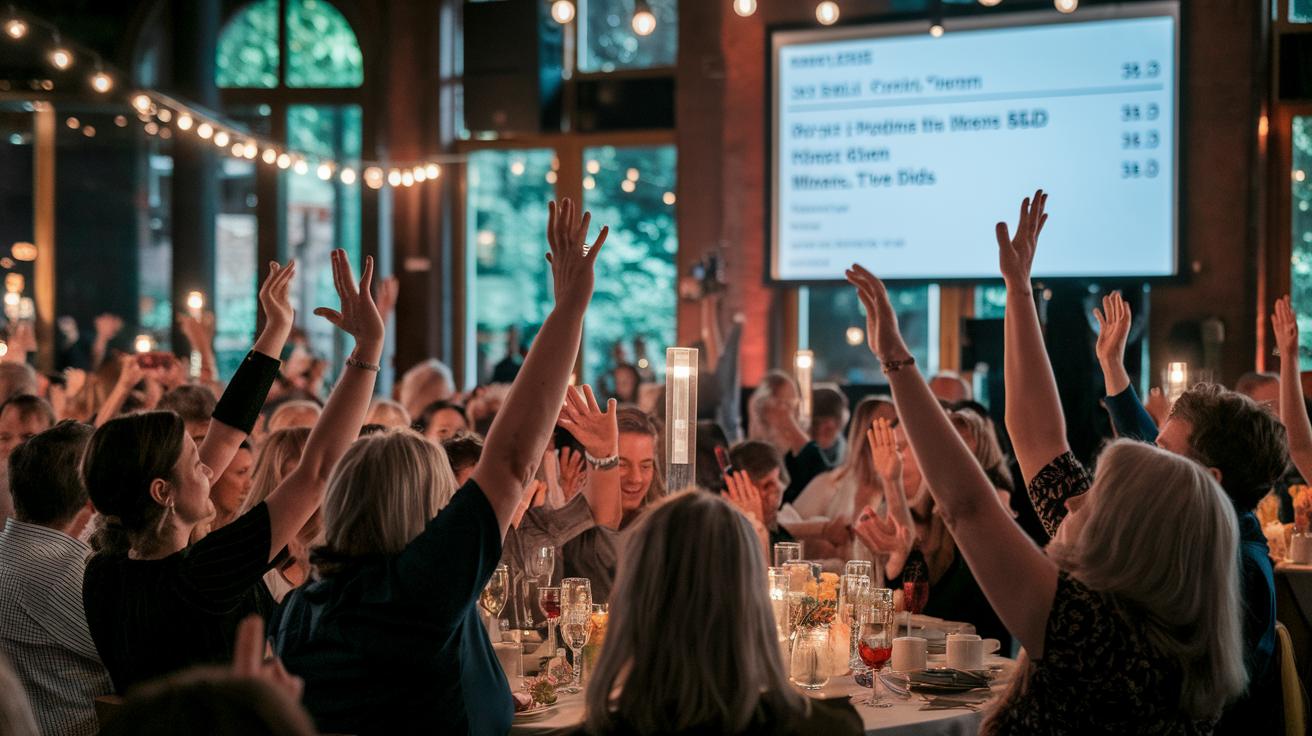
Unified event platforms serve as the digital hub that seamlessly connects remote and onsite audiences. These platforms integrate live streams, recordings, and interactive features into one cohesive experience delivered through mobile and desktop apps. For example, picture a live charity auction where every bid is instantly reflected across audiences both in the venue and online, a unified experience that keeps all participants in the loop.
Streaming and Recording Solutions
Live streaming and recording solutions have fundamentally transformed event delivery by fostering real-time engagement and offering on-demand replays. Platforms now allow events to be broadcast live while also recording sessions for later viewing, a crucial feature when attendees are in different time zones. Consider this snippet: "Imagine witnessing a stunning keynote live, then revisiting its captivating insights later via on-demand playback." This dual approach not only enhances accessibility but also extends the life of event content.
Engagement Tools and Apps
Interactive tools elevate the hybrid format by transforming passive viewers into active participants. Tools such as live polls, Q&A sessions, and real-time chat functions enable dynamic interaction that mirrors the energy of a live audience. Moreover, integrations like mobile bidding, donation forms, and personalized fundraising pages add extra layers of engagement that benefit fundraising events by overcoming scheduling conflicts and maximizing contributions from diverse attendee segments.
Hybrid Event Production Techniques and Best Practices
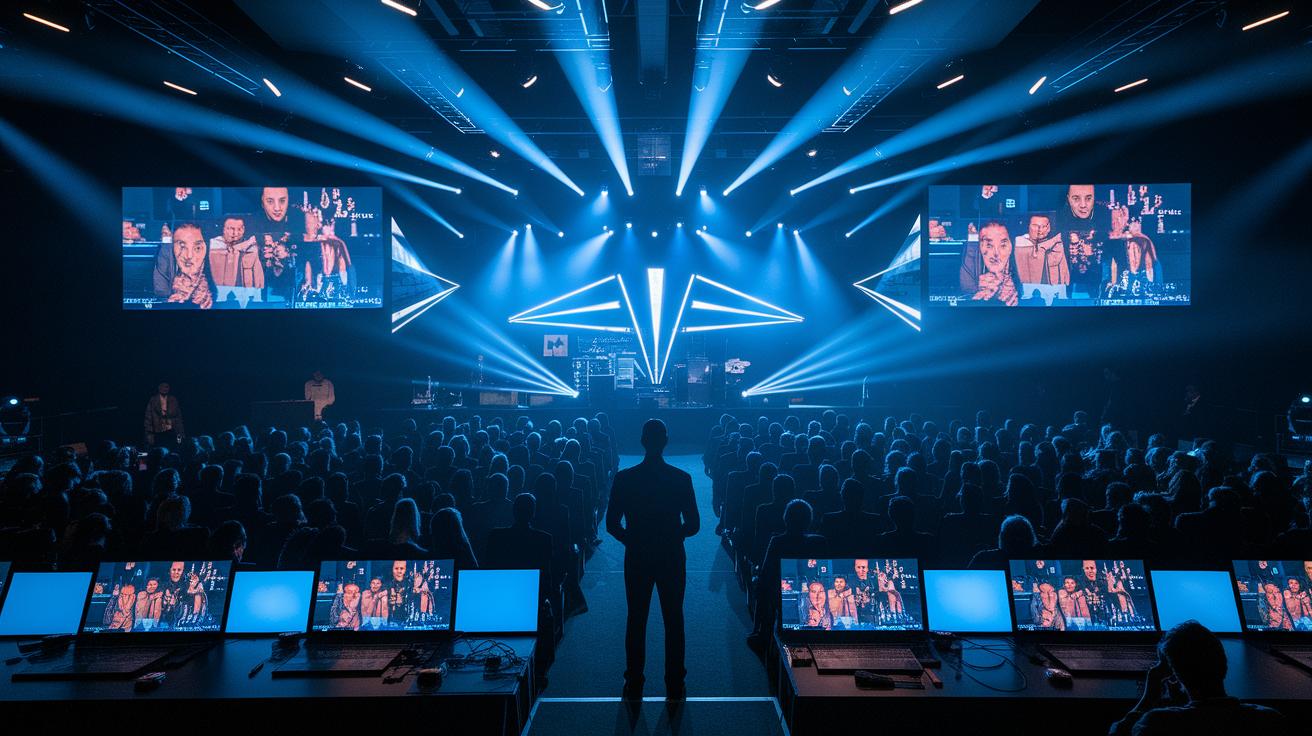
Running a hybrid event feels a lot like directing two shows at once, one live and one virtual. You’re not just ticking tasks off a list; you’re setting the stage for an event that grooves both in person and online. Imagine planning a live concert alongside an online festival, where every camera glance and sound cue hits just right.
Getting ready starts with a solid pre-production checklist. This means you need to plan every little detail like camera spots, lighting design, and the whole set layout. You know, the kind of preparation that feels like arranging your favorite playlist before a big party.
Tech rehearsals are another must. They let you mimic real-life conditions and work out those on-the-fly transitions between segments. There’s nothing like running a simulation to feel confident, right?
A multi-camera setup is key too. It grabs dynamic views of both the live crowd and the virtual audience, making everyone feel part of the magic. And don’t forget about audio monitoring, which keeps voices and sound levels just where they should be, clear and balanced.
Last but not least, always have backup gear ready. Extra devices and even an alternate internet connection can be a lifesaver if things go off script. Following standardized recording rules, like rehearsing with a short demo video, helps nail down each critical moment.
Rehearsals aren’t just a bonus; they are essential. By running through each step, you’re making sure that both the in-person crowd and the online viewers get a smooth, memorable experience. With backup plans in place, you can handle any surprises with ease and keep the energy high throughout the event.
Hybrid Event Case Studies: Real-World Examples

At INBOUND by HubSpot, the energy was off the charts in Boston during 2021 and 2022. Over three fun-filled days, they mixed live sessions with online tracks so everyone could join in, whether they were in the room or tuning in from home. Imagine sitting comfortably in your living room while the magic happens live!
Apple Special Events set a high bar next. They combined live global product demos with a special invite-only media show. Think of it like watching a big reveal from your couch while your friends in the venue shared in the excitement. This mix made the experience both exclusive and open to all.
Over in Paris, VivaTech brought together Europe’s biggest startup crowd, inviting tech fans from around the globe to join online. Then there was Social Media Marketing World in San Diego, where the buzz of influencer-led sessions was shared live for digital viewers. No matter where you were, you felt like a VIP, fully part of the live conversation.
LiveWorx by PTC switched things up with virtual workshops crafted for digital visionaries, and MozCon gave remote viewers a chance to join in at a discounted rate when they missed the onsite action. At TwitchCon, the blend of lively live-streamed stages with the electric energy of Las Vegas expo halls turned heads, while Empower Conference in Texas used a faith-based hybrid model that kept the spirit alive well into 2022. Each event was designed to keep both the in-person crowd and online fans feeling like they were at the heart of it all.
What ties these success stories together is a few key ingredients: exciting content, smart tech, and careful planning. Organizers built agendas that reached out to different audiences, provided live streaming and replay options, and sparked community conversations with real-time chats and Q&A sessions. This approach not only expanded the audience but made every session feel truly personal and unmissable.
Hybrid Event Engagement Ideas and Interactive Sessions

Event experiences are stepping into a new era that goes far beyond your typical digital methods. Organizers are now designing interactive paths that bring together live and in-person energy. For example, one event used a custom interface to guide people through live content and fun challenges. Check this out: a 5-minute live drawing session boosted audience participation by 40 percent, pulling in online viewers and on-site guests alike.
Interactive Tools
Today’s approach is all about making you feel like a true part of the experience. Instead of just launching a poll or Q&A, organizers are mixing in personalized quizzes and content that adjusts as you join in. Try this strategy: break your session into a quick warm-up, then dive into a fun group challenge, and wrap up with a short feedback moment. For instance, imagine starting with a digital scavenger hunt where hidden clues later shape the chat.
Networking Sessions
Rethinking networking can really fire up participation. Organizers are creating breakout groups where you pick discussion topics that interest you, and smart matchmaking pairs you with like-minded people. They even throw in short, fun networking games that spark lively conversation and deeper connections. One idea is to kick off a mini-networking sprint, give everyone 3 minutes to share a fun fact about themselves, then rotate groups for fresh interactions.
Hybrid Event Success Metrics and Analytics

When planning a hybrid event, you need to keep a close eye on both the live crowd and the online viewers. Today, organizers use real-time dashboards that show simple numbers like session attendance, live poll answers, and chat messages. This helps them see how engaged everyone is, whether they’re in the room or watching online.
It’s also important to track things like sponsorship views and digital ad hits. Hybrid events often give sponsors extra exposure, which makes the whole experience a win-win. All this data acts like a backstage pass, showing which sessions bring the most energy and guiding tweaks for future events.
Then comes the money part. To figure out your return on investment, simply compare what you spent, like audiovisual setup, platform fees, and staff costs, to what you earned from ticket sales, sponsors, and donations. After the event, tools like surveys, mood reviews, and Net Promoter Score checks are used to capture audience satisfaction. This feedback tells you what cracked the audience up and what might need a little reworking next time.
Final Words
In the action of planning and executing a successful hybrid event, this post packed a punch. We covered everything, from defining the hybrid event concept and pinpointing key benefits to laying out planning and production best practices. Practical engagement ideas and performance metrics rounded out our insights, showing how to bridge live and virtual experiences. A hybrid event promises a refreshing blend of energy and innovation, leaving us all excited for what comes next.
FAQ
What are hybrid event examples?
Hybrid event examples include events like INBOUND, Apple Special Events, and TwitchCon. They combine live, in-person experiences with virtual sessions to boost engagement and reach broader audiences.
What are hybrid event ideas?
Hybrid event ideas range from combining live panels with online Q&A sessions to hosting simultaneous in-person networking and virtual interactive polls that engage both audiences.
How is hybrid event management handled?
Hybrid event management means coordinating on-site logistics and virtual platforms. It focuses on smooth transitions between sessions, engaging diverse participants, and collecting useful data.
What are hybrid event benefits?
Hybrid event benefits include reaching a larger audience, offering flexible participation options, boosting sponsor exposure, and reducing travel-related environmental impact.
How do virtual and hybrid events differ?
Virtual and hybrid events differ in that hybrid events mix in-person gatherings with online participation, while virtual events occur entirely online without any physical component.
What are hybrid event invitation examples?
Hybrid event invitation examples clearly explain both in-person and online participation details, outlining venue addresses as well as links and guidelines for joining the virtual sessions.
How can I host a hybrid event?
Hosting a hybrid event involves planning for both live and virtual audiences, selecting reliable technologies for streaming and interaction, and coordinating activities that engage everyone.
What are hybrid fitness events?
Hybrid fitness events combine live workout sessions with online streaming, enabling participants to exercise either at home or in a gym, delivering a flexible and engaging fitness experience.
What is the meaning of a hybrid event?
A hybrid event means a gathering that blends physical in-person interactions with virtual experiences, allowing participants to join either onsite or online for a unified experience.
How do I do a hybrid event?
Doing a hybrid event involves planning both live and virtual components, choosing dependable tech for streaming, and designing interactive content that appeals to a diverse audience.
What are hybrid events in 2025?
Hybrid events in 2025 are expected to use advanced streaming, augmented reality features, and other interactive tools to create more engaging experiences that effectively combine live and online participation.