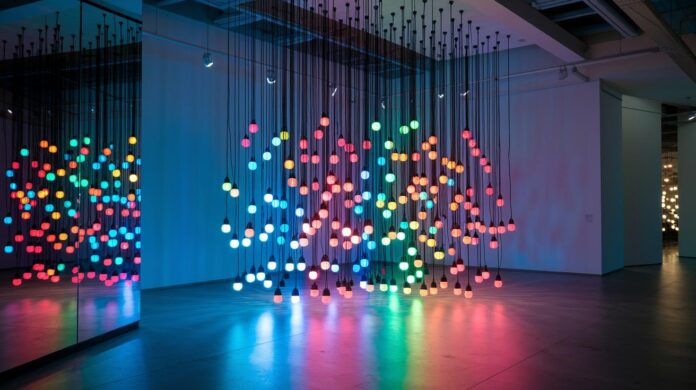

Ever thought about art turning a room into a playful wonderland? Installation art grabs you with a burst of shapes, textures, and even scents that change the whole vibe of a space.
Imagine stepping into a room bursting with bold, geometric designs or following a quirky, winding path of string. This creative magic invites you to see art in a whole new light. Ready to dive into the wonder of transforming spaces?
Installation Art Examples: Inspiring Visual Magic
Installation art turns a space into a living experience. It wraps you in visual, touchable, and sometimes even smellable surprises. By blending different materials and clever spatial design, these artworks pull you in and change how you see art.
- El Lissitzky’s Proun Room (1923) – Imagine a room filled with bold geometric shapes, where light and shadow play across every surface, inviting you to explore a world of form and space.
- Kurt Schwitters’ Merzbau (begun 1933) – Step into a sculptural world created gradually from found objects and recycled materials that reshape everyday views into something extraordinary.
- Marcel Duchamp’s Mile of String (1942) – Picture a gallery transformed by an extensive mile of string that guides you on a playful, winding path through unexpected corners.
- Allan Kaprow’s Yard (1961) – A simple yard packed with black rubber tires becomes a playground of interaction, breaking free from traditional gallery walls.
- Joseph Beuys’ The End of the Twentieth Century (1983–85) – Feel the texture of 31 basalt rocks set beside clay and felt, crafting a tactile scene that speaks of change and renewal.
- Cornelia Parker’s Cold Dark Matter: An Exploded View (1991) – Suspended pieces from shattered objects hang in air, offering a haunting yet hands-on glimpse into beauty born from destruction.
- Damien Hirst’s Pharmacy (1992) – A neat grid of everyday medical supplies challenges you to see criticism of modern drug culture through familiar items.
- Carsten-Höller’s Mushroom Room (2000) – Walk along a path lined with inverted agaric fungi that spark your senses in a fun, almost dreamlike scene.
- Olafur Eliasson’s The Weather Project (2003) – Experience a giant, near-tangible fake sun that turns a huge hall into a space glowing with golden, reflective light.
- Yayoi Kusama’s Infinity Mirrored Room (2013) – Enter a small mirrored chamber adorned with colored lights that create an endless, captivating display.
- Random International’s Rain Room (2013) – As you move, sensors pause falling water, giving you a unique, magical moment all your own.
- Phyllida Barlow’s Dock (2014) – Crafted from discarded debris and fabric, this chaotic assembly makes both a visual and tactile statement about modern urban life.
These works show how installation art has grown, from early shape experiments to multi-sensory adventures. They redefine art by transforming spaces into vibrant canvases where you become part of the creative journey.
Historical Art Interventions: Foundations of Installation Art

Back in the early 1900s, artists started to shift focus from simply creating physical objects to pushing big ideas. They took everyday items and turned them into powerful statements that made you rethink what art could be. It's like they were whispering, "Hey, art isn’t just something you hang on a wall, it’s an experience."
Take Duchamp for example. He introduced ready-mades, ordinary objects that challenged old-school views on beauty and art. Then came the thrilling Happenings of the 1960s. These live events got people moving and buzzing with energy, making art something you could feel and shape. And in the 1970s, artists took it even further by blending their work right into city streets and natural landscapes. Instead of just standing back and watching, you became part of the art, turning a quiet gallery visit into a lively conversation.
Today, the spark from those early experiments still burns bright. Modern installations invite you to wander through spaces where every sense is engaged. Instead of a distant, cold display, art is now something you can touch, feel, and even smell. It’s all about creating a truly immersive and personal experience that connects you with art in a way that feels real and spontaneous.
Environmental and Site-Specific Installation Art Examples
Environmental art takes everyday spaces and turns them into vibrant canvases, where nature and urban settings mix in unexpected ways. It’s like stepping into a live story where every detail, from the glint of reflective surfaces to the hum of the city, invites you to be a part of the art.
-
Musée Atelier Audemars Piguet
Tucked inside an old watchmaking workshop, this installation surprises you with its winding glass structure. It plays with light and industrial materials to honor the building’s history, giving you a peek into the world of timekeeping while blending the past with modern flair. -
ReefLine (planned)
Imagine drifting through a 7-mile underwater sculpture park just off Miami Beach. Designed for snorkelers, this project uses tough, water-resistant materials that celebrate the ocean’s natural beauty, letting you dive into an artful blend of marine life and creative design. -
New York City’s The Waterfalls (2008)
Set along city piers, four man-made waterfalls bring a refreshing burst of nature right into the urban mix. Using engineered water flows and sleek materials, this piece captures nature’s graceful motion, offering a cool break from the city’s hustle. -
Pollution Pods (2018)
These six geodesic domes mix modern design with sensory experience by releasing city-specific scents. They make a strong statement on environmental change, turning everyday air into a playful yet thought-provoking art experience. -
Random International’s Rain Room (first exhibited 2013)
Ever been in the rain without getting wet? This innovative project uses motion sensors to pause falling rain around you, merging digital technology with nature. It creates a moment where movement and weather come together as a living piece of art.
Each of these installations shows how art can transform its surroundings into dynamic spaces where creativity and context are inseparable.
Interactive and Digital Installation Art Examples
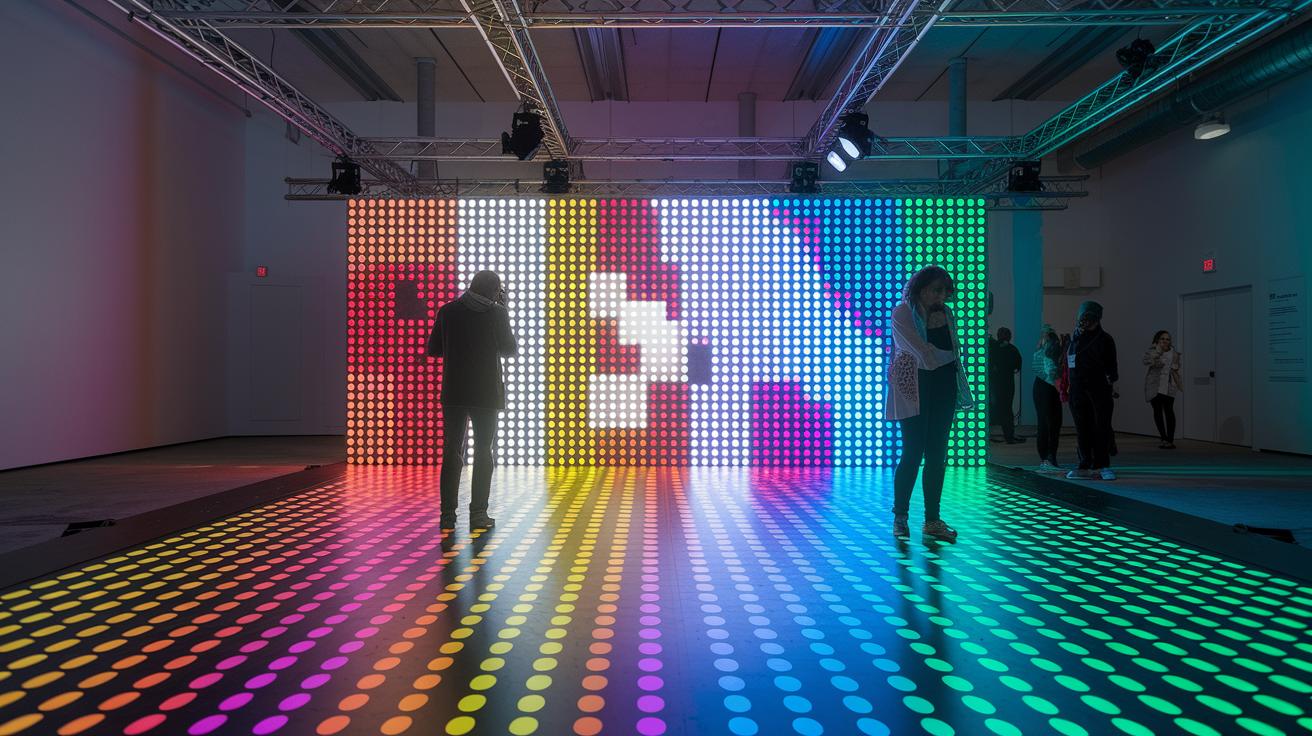
Digital tools are opening up fresh ways for art to listen, react, and grow with us. Technology is turning rooms into playful playgrounds where you aren’t just watching, you’re a key player. By mixing simple software, sensors, and even machine learning (that’s tech that helps computers learn and make decisions), artists create experiences that feel alive and surprising. AV integration, much like what you see in multimedia shows, adds another layer of magic, while big, immersive events make the fun even bigger.
Take Bright Noise (2019) by Yuri Suzuki, for example. This project lights up Chicago’s Color Factory with vibrant horns that chirp and buzz based on where you walk. Sensors catch your every move, triggering sounds that shape a lively, reactive concert right before your eyes.
Then there’s Moment of Reflection (2020) by Refik Anadol Studio. Picture an 18-foot sculpture powered by machine learning that processes over 300 million pandemic photos. The result is a stunning display that turns your interaction into a mirror of our shared past, inviting you to pause and think about what we’ve all been through.
These digital art installations show how technology can turn everyday spaces into creative labs, sparking fresh chats about art and human connection. Every movement you make helps set the stage for a new conversation, making each visit a unique, ever-changing experience.
Conceptual and Performance Installation Art Examples
Conceptual and performance installations invite you to step into the artwork, turning you from a mere spectator into an active participant. These creative projects blend ideas, actions, and live moments to spark your feelings and get you thinking in fresh ways.
-
Yoko Ono’s Cut Piece (1964)
Imagine being asked to snip bits from a performance, Yoko Ono did just that by letting viewers cut pieces of her clothing. This simple setup used everyday materials to stir conversations about vulnerability and the power of sharing a moment together. -
Vito Acconci’s Seedbed (1972)
Hidden under the gallery floor, Acconci used his voice like a secret tool to explore hidden spaces and long-kept desires. It was a private performance that transformed an overlooked area into a stage for quiet, personal revelations. -
Santiago Sierra’s 160 cm Line Tattooed on 4 People (1999)
Sierra turned the human body into a statement. With a precisely measured 160 cm line inked on four individuals, he urged viewers to face tough issues like labor exploitation and social injustice, forcing everyone to reckon with real-world limits. -
Marina Abramović’s The Artist Is Present (2010)
In this touching, long-duration performance, Abramović sat silently across from each visitor, creating face-to-face encounters filled with raw emotion. Every silent second built a shared experience that celebrated the simple act of being together. -
Tino Sehgal’s This Progress (2010)
Sehgal’s work transformed a museum visit into a living, breathing event where guides and visitors blended into one spontaneous performance. Each encounter felt like a mini-show, dissolving the line between leader and participant.
Each of these installations shows how combining clear ideas with live interaction changes art from just looking at something cool into actually living the experience. They turn art into a journey that invites everyone to jump in and feel the electric buzz of creativity.
Installation Art Project Ideas and Beginner Techniques

Start by drawing out your idea for your art installation. Think of it as your rough sketch, your creative plan that makes your vision come alive. If you can, work with a design and build team, they can help sort out budgets and keep things on track, making the whole project a breeze and a lot of fun.
Pick everyday or recycled materials to keep the focus on the idea instead of a fancy finish. Check out your space with a simple drawing or a small model to see how everything fits. This step is key to adding cool sensory touches like sound and scent that turn your piece into an engaging, interactive experience.
-
Paper-based wall sculptures
Try making playful sculptures with reused paper and cardboard. Play with different shapes and layers to bring out a rich, visual vibe. -
Basic video projection
Set up a simple projector to loop short video clips. Position the projection onto interesting surfaces you find to create a lively effect. -
Sound-triggered mobiles
Create mobiles that react to movement by using basic electronic sensors. A little push or gentle wave can trigger rhythmic sounds. -
Scent-infused pop-ups
Build small pop-up displays with everyday objects, adding delicate fragrances that change as people get closer. -
Easy AR overlays
Experiment with free augmented reality apps to place digital elements over physical installations. This fun tech twist blends real art with digital magic.
For school or home projects, start on a small scale and keep things playful. Test out your ideas bit by bit and invite friends or classmates to share their thoughts. Combining hands-on experiments with simple tech tricks can transform any space into a lively canvas where creativity meets everyday life.
Final Words
In the action, this article showcased art that speaks with energy, melding interactive performances, digital creations, and DIY setups to bring art to life. We touched on immersive, hands-on pieces that invite playful engagement alongside thought-provoking conceptual works. The diverse range of art projects here shows how creativity transforms spaces, making every piece feel alive and personal. Let these installation art examples spark your creative fire and inspire fresh, exciting ways to appreciate art every day.
FAQ
What are some notable installation art examples?
The notable installation art examples include Olafur Eliasson’s Rain Room and Yayoi Kusama’s Infinity Mirrored Room. These immersive works transform spaces using light, sound, and interactivity to engage audiences.
What are some simple installation art examples for students and beginners?
Simple installation art examples for students use everyday or recycled materials to create interactive setups. These projects offer a hands-on approach that sparks creativity and encourages playful exploration of space.
What does it mean for an installation art example to carry meaning?
Installation art examples with meaning combine visuals, textures, and audience participation to communicate ideas. They create immersive experiences that prompt viewers to reflect on social, cultural, or personal themes.
What are the five types or characteristics of installation art?
The five common types include immersive, site-specific, interactive, multimedia, and conceptual works. Each focuses on transforming space and engaging viewers in unique ways that go beyond traditional art boundaries.
What counts as an art installation?
An art installation counts as any spatial work that transforms an environment using diverse materials and interactive elements. It invites viewers to experience art through physical presence and sensory engagement.
How is installation art different from performance, conceptual, digital, and mixed media art?
Installation art differs by focusing on spatial transformation. It often merges aspects of performance, conceptual, digital, and mixed media art to create setups that fully immerse and involve the audience.