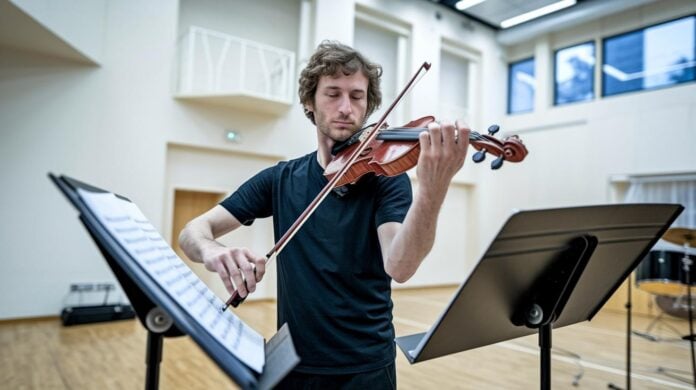

Ever think about how one little word can flip a song on its head? In music, presto tells everyone to play fast, like speeding up the heartbeat of a melody. It’s as if you suddenly switch on a turbo button that takes a gentle tune and turns it into a wild, exciting ride.
Today, we’re diving into how presto sets the pace and why that speedy burst fills both musicians and fans with energy. Get ready to feel that rush, presto isn’t just a hint in the score; it’s the pulse of a high-speed performance.
Defining Presto in Music

Presto is a musical clue that tells everyone to play super fast. Musicians know it means to hit the notes with quick energy and flair. It’s pronounced "pres-toh," almost like a fun little reminder of its speedy vibe, imagine a burst of brightness, like a firework lighting up the night.
On the musical speed scale, presto ranks at the very top. It’s even faster than allegro, which is lively and fun, and much quicker than andante, which takes things a bit slower. Unlike vivace, which is brisk and bouncy, presto demands a lightning-fast performance, sending both players and listeners into an electrifying rush.
Tempo Range and Notation of Presto

Music is a roller coaster of speeds. Composers use simple words to tell you how fast or slow a piece should be. You might start with a relaxed largo, switch to a bouncy allegro, and then blast into a speedy presto. These words help players set the mood, kind of like a sudden burst of energy in a quiet room.
Take a look at this handy table below for three popular tempo markings. It shows the beats per minute and the classic Italian term for each.
| Tempo Marking | BPM Range | Italian Term |
|---|---|---|
| Largo | 40-60 | Largo |
| Allegro | 120-168 | Allegro |
| Presto | 168-200 | Presto |
When you open a music score, you’ll see these words up top near the title and time signature. They quickly let the musician know what to expect. Sometimes, a number sits next to the word to hit a specific beats-per-minute target. Think of it like a secret signal that builds excitement before a fast and thrilling section hits.
Presto Movements in Notable Compositions

Mozart’s Symphony No. 40 is buzzing with energy. The presto parts flip familiar tunes into wild, speedy bursts that keep you on the edge, making you listen for every flash of sound.
In Beethoven’s Symphony No. 9, especially in the last movement, presto changes a slow build into a sudden, explosive moment. Imagine each note zooming by like a fast train, presto is all about that thrilling pace. These quick sections let performers show off their speed and precision, turning each rapid sequence into an unforgettable highlight.
Vivaldi’s Summer from The Four Seasons also lights up with presto action, transforming the music into dramatic scenes that feel like lightning flashes over stormy skies. Likewise, Mendelssohn’s Italian Symphony uses presto to inject fresh energy and a bit of suspense, almost daring you to keep up with its pace. And then there’s Haydn’s Surprise Symphony, where a burst of presto adds extra fun and a playful challenge for the musicians.
In every case, these composers treat presto as more than just a note on the score. They use it as a tool to crank up the drama and show off their musical genius in the most exciting way possible.
2 presto meaning in music: Lively Tempo Spark

Playing presto pieces is an exciting challenge for any musician. Fast beats call for quick fingers and sharp timing. It's like trying to catch a flash of lightning in a bottle; every note matters and a single mistake can throw off your flow. Think of it as a high-speed relay race where solid preparation and pinpoint precision make all the difference.
- Metronome-guided slow practice – Start by playing the tricky parts at a pace that feels easy. Then, gradually increase the metronome speed. For example, begin with a phrase at half speed and slowly work your way up.
- Segmenting passages – Break the piece into bite-sized sections. Master each part on its own before stringing them together.
- Reinforcing consistent fingering – Stick to one fingering pattern so your muscle memory takes over during fast sections.
- Precise articulation – Focus on playing every note clearly. Think of it as shaping each sound with care.
- Controlled breathing – Use steady breathing techniques to keep your energy up and your body relaxed as the pace quickens.
- Incremental tempo increases – Slowly build your speed bit by bit; picture it like easing into a sprint after warming up.
Even when you're dashing through the notes, the soul of the music should shine through. Instead of letting speed overpower emotion, stay relaxed and let each phrase breathe. Imagine that rush of adrenaline as you conquer each burst of speed. It's the perfect mix of technical skill and heartfelt expression, turning a fast tempo into a captivating display of passion.
Historical Development of the Presto Marking

Back in early 17th century Italy, printed music began showing quick tempos by using the term presto. Composers wrote these words on scores to share the energy they wanted in a performance. Fun fact: early manuscripts even featured flowing, handwritten presto instructions, making them delightful puzzles for musicians to decipher.
By the mid-18th century, presto became a star in symphonic music. As orchestras got bigger, clear tempo hints grew super important, and composers loved adding fast sections that gave listeners a surprise burst of excitement. These quick musical sparks turned presto into a shorthand for fast, dramatic movement.
Later, with improvements in engraving and printed music, presto truly earned its place as a universal cue for lively passages. Standardized markings helped musicians everywhere play with the same clear instructions, so presto today is instantly recognized as the sign for an energetic, high-speed section in any performance.
Comparisons: Presto vs Other Tempo Markings

Tempo markings help performers know how to play each phrase. When a music piece is marked allegro or vivace, you already get a sense of lively energy. But presto cranks that energy up even more, asking for every note to be played with sharp precision. Imagine switching from a calm, thoughtful walk to an all-out sprint, that’s the jump from moderato to presto.
Moderato creates a relaxed space where each note can breathe and shine. In contrast, presto tightens the rhythm so that every beat hits exactly right, requiring full focus. Picture a song starting at moderato, where each note is like a careful step along a quiet path, and then leaping into presto, a sudden burst that challenges both the performer and the listener.
Modern Applications of Presto in Music
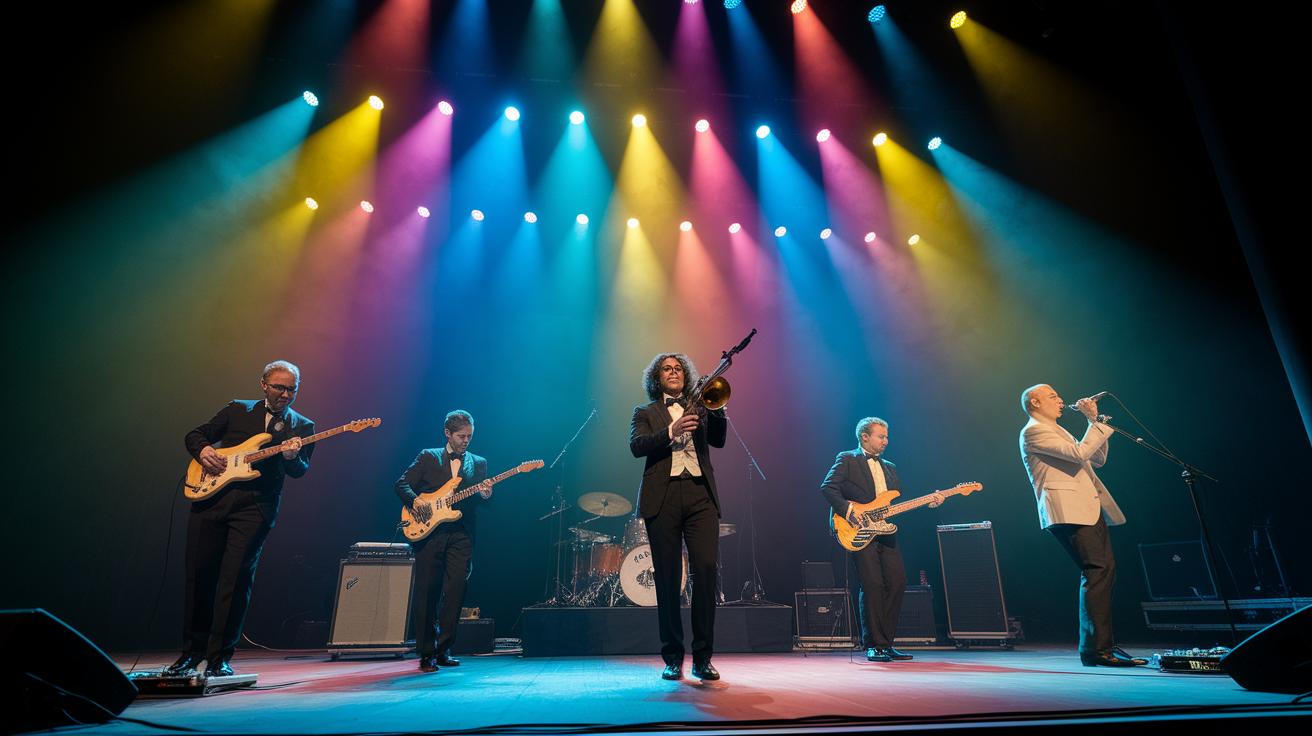
Presto isn’t just for old-school concert halls anymore. Today, filmmakers and composers add this fast beat to movie scores to build suspense and deliver those heart-pounding moments on screen. Jazz bands use presto in upbeat tunes, throwing in wild rhythms and dynamic solos that surprise and excite the crowd. Even smaller, contemporary chamber groups pick presto to spark fresh energy in their shows, creating a lively sound that both challenges and delights.
The quick pace of presto does more than test musicians, it totally transforms how we feel music. Ever feel the rush of a roller coaster? That’s what listening to presto can feel like, the rapid tempo pulsing through you with energy and excitement. It brings a sense of urgency that grabs your attention, whether you’re at a live gig or tuning in at home. Modern performers use presto to show off their skill and creativity, stretching their limits while staying true to the music. This fresh approach is reshaping what we expect from musical storytelling.
Final Words
In the action, we explored how "presto" sets the stage for high-speed musical moments. We broke down its definition, placement on the tempo spectrum, and role in iconic compositions.
We also offered hands-on tactics for musicians mastering rapid passages and traced its historical evolution in musical scores. Each section brought us closer to understanding presto meaning in music and its modern flair.
This deep dive leaves us smiling at how music continually surprises and energizes every performance.
FAQ
Q: What does “Presto” mean in music?
A: The term “Presto” in music means extremely fast. It instructs performers to play at a rapid pace, often giving the music a lively and energetic feel.
Q: How is “Presto” pronounced and used in compositions?
A: “Presto” is pronounced “pres-toh.” It appears in compositions by indicating a brisk tempo, with examples found in fast sections of works by famous composers like Mozart and Beethoven.
Q: How do Allegro, Andante, Largo, Vivace, and Prestissimo differ?
A: Allegro suggests a quick tempo, Andante a moderate pace, Largo a slow speed, Vivace a spirited rhythm, and Prestissimo an even faster performance than Presto, providing varied expressive colors in music.
Q: How does the tempo of Presto compare with Allegro and Largo?
A: In music, Presto is quicker than Allegro, offering a more intense burst of speed, while Largo represents a much slower pace, letting composers create contrasting moods within a piece.
Q: What is the origin of the phrase “hey presto”?
A: The phrase “hey presto” originates from Italian. It is used to signify something occurring quickly or as if by magic, much like a swift and dramatic musical transition.